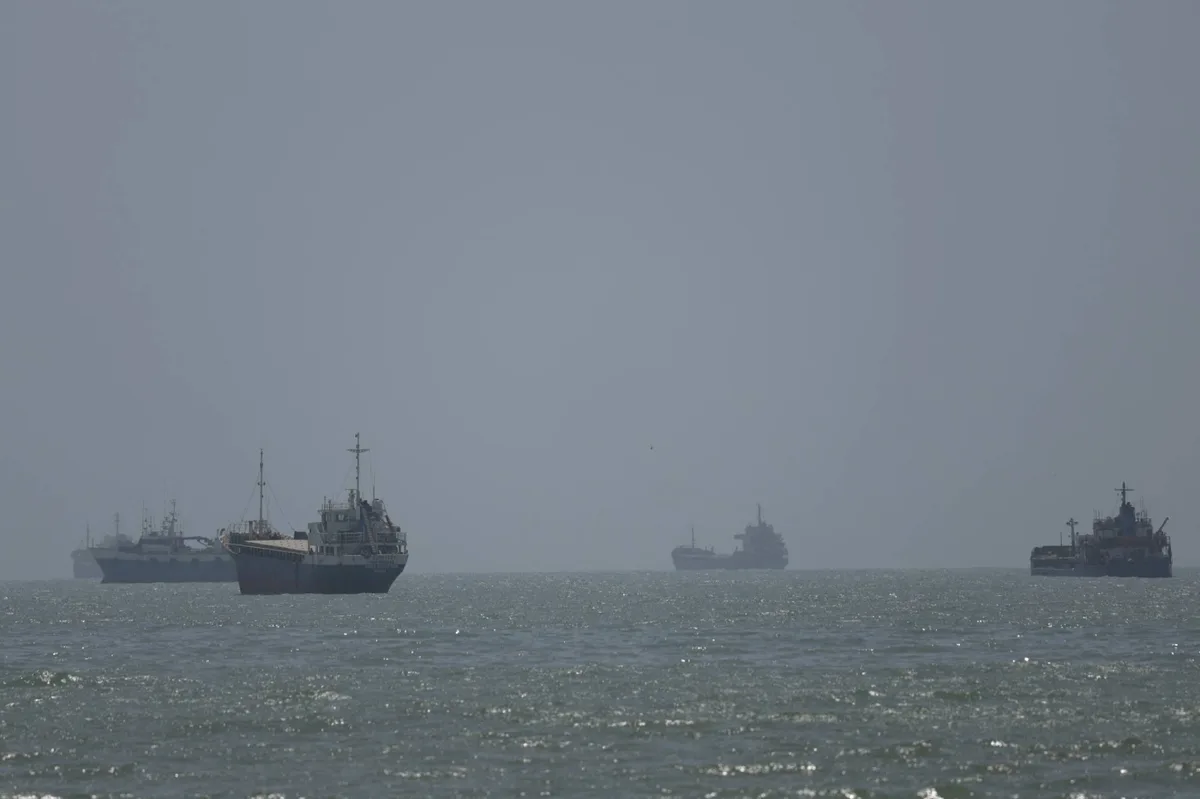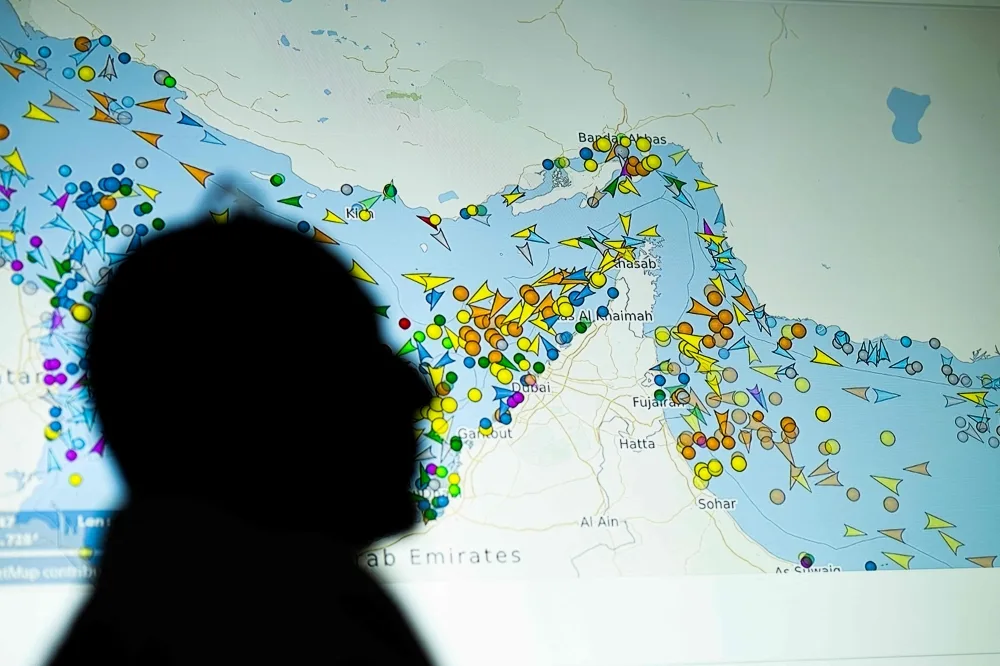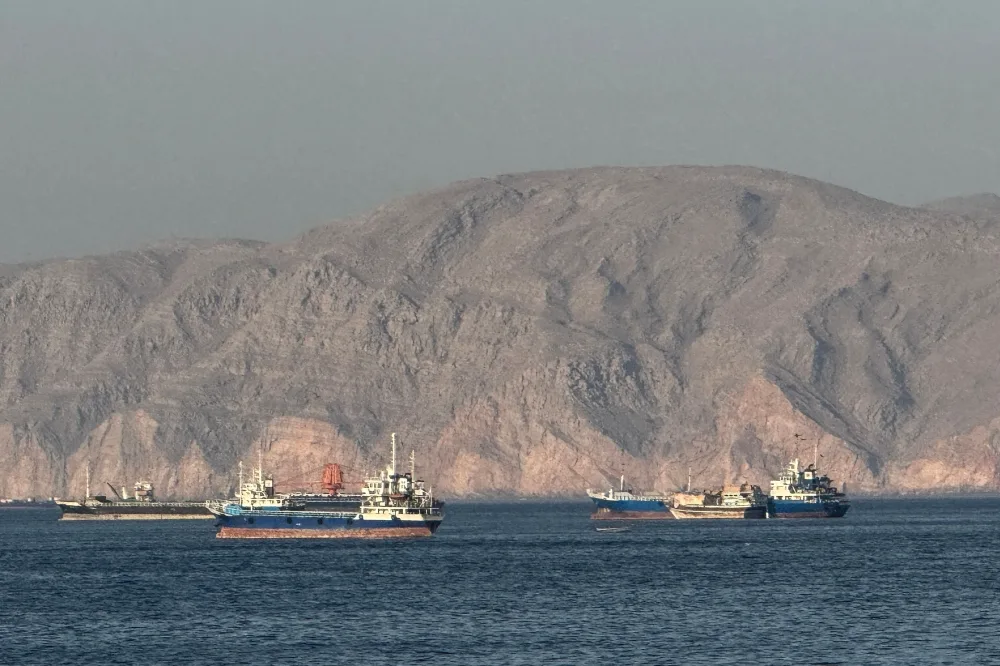
Japan announced plans today to back the construction of oil pipelines in the Middle East that bypass the Strait of Hormuz. This comes after the US-Iran war, which began in February 2026, disrupted oil transit through the strait and exposed Japan's vulnerability to supply interruptions [1, 2, 3, 4, 5, 6].
Before the conflict, Japan imported more than 90% of its crude oil from the Middle East, mostly shipped through the Strait of Hormuz [1, 2, 3]. Prime Minister Sanae Takaichi said the conflict has "fundamentally shifted" energy dynamics, challenging previous government and corporate assumptions [1].
Japan has increased crude oil imports from the United States and other countries to diversify its sources, while tapping strategic reserves to manage the current shortages caused by turmoil in the Middle East [1, 2, 3, 4, 5, 6].
The new energy strategy includes enhancing the risk-financing capabilities of the Japan Organization for Metals and Energy Security (JOGMEC) to support Japanese participation in pipeline projects outside the Strait of Hormuz [1, 2]. The government also plans to secure insurance coverage for shipment vessels to ensure stable crude oil transport [1, 2].
Japan aims to bolster its crude oil reserves specifically to secure domestic naphtha production, a widely used oil by-product, alongside calls to maximize nuclear power usage and support next-generation perovskite solar cell development [3, 4, 5, 6]. The Cabinet Office released documents outlining these plans today, seeking to finalize the strategy by the end of 2026 [1, 2].
Meanwhile, Iran and Oman have held talks on a phased framework for a navigational corridor and mine clearance in the Strait of Hormuz to ease tension. However, Iran’s deputy foreign minister Kazem Gharibabadi reiterated that no military vessels would transit the strait until the US ends its war and lifts the blockade [7]. Iran’s Revolutionary Guards spokesman Hossein Mohebi said the US is obstructing finalization of an agreement with Oman on revenue sharing from the strait’s transit fees [8].
Japan’s new strategy reflects efforts to secure energy supply routes beyond the increasingly unstable Strait of Hormuz. The government plans to finalize the overall energy strategy by the end of 2026 [1, 2].