Japan’s major banks are on track for their busiest year in over a decade for issuing Additional Tier 1 (AT1) bonds, aimed at meeting higher capital requirements set by regulators [1, 2]. AT1 bonds rank among the riskiest forms of bank debt as they are subordinated and can convert to equity if capital ratios fall below mandated thresholds [1, 2].
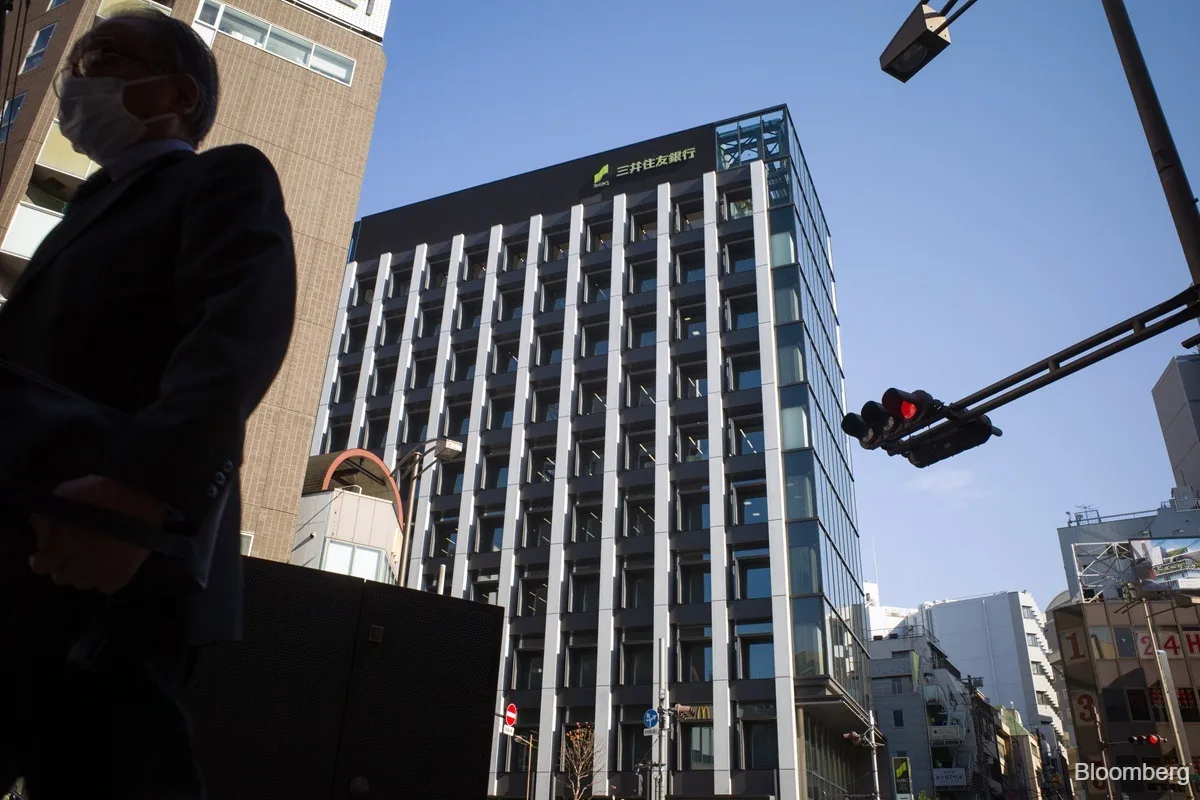
Sumitomo Mitsui Financial Group (SMFG) priced a dual-tranche AT1 bond deal of ¥300 billion (US$1.9 billion) in late May 2026, marking one of the largest individual issuances so far this year [1, 2]. Excluding SMFG's deal, AT1 issuance in Japan has more than quadrupled compared to 2025, reaching ¥710 billion year-to-date [1, 2]. Other top banks such as Mitsubishi UFJ Financial Group and Mizuho Financial Group have also tapped the AT1 market earlier in 2026 [1, 2].
The surge in AT1 issuance is driven by banks refinancing bonds ahead of their first call dates to avoid higher coupon costs. They are also raising capital to support the medium- to long-term funding needs of corporate customers, according to Masahiro Koide, joint head of capital markets at Mizuho Securities. Koide said Japanese banks are "building up capital to meet companies’ medium- to long-term funding needs" and noted that "a series of redemptions of AT1 bonds previously issued by financial institutions is also one factor behind this year’s surge in issuance" [1].
Expectations of further interest rate hikes by the Bank of Japan and elevated oil prices due to the conflict in the Middle East have prompted banks to issue AT1 bonds earlier in 2026 to lock in lower borrowing costs [1, 2].
On May 29, 2026, SMFG's ¥300 billion dual-tranche AT1 bond deal priced successfully, underscoring active market demand for such securities this year [1, 2]. The elevated issuance trend is expected to continue as banks manage capital structures amid evolving market and regulatory pressures.