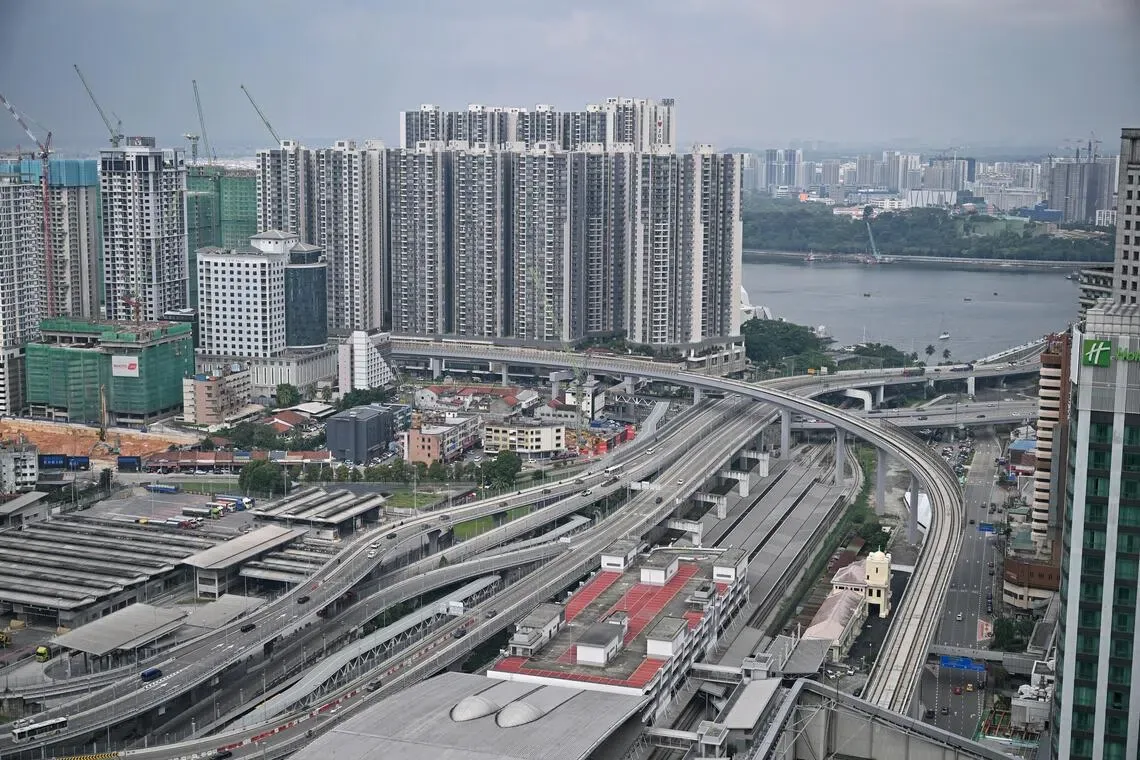
The Johor Bahru-Singapore Rapid Transit System (RTS) Link is set to begin operations on January 1, 2027, running a 4-kilometre shuttle service between Bukit Chagar in Johor Bahru and Woodlands North in Singapore [1, 2, 3].
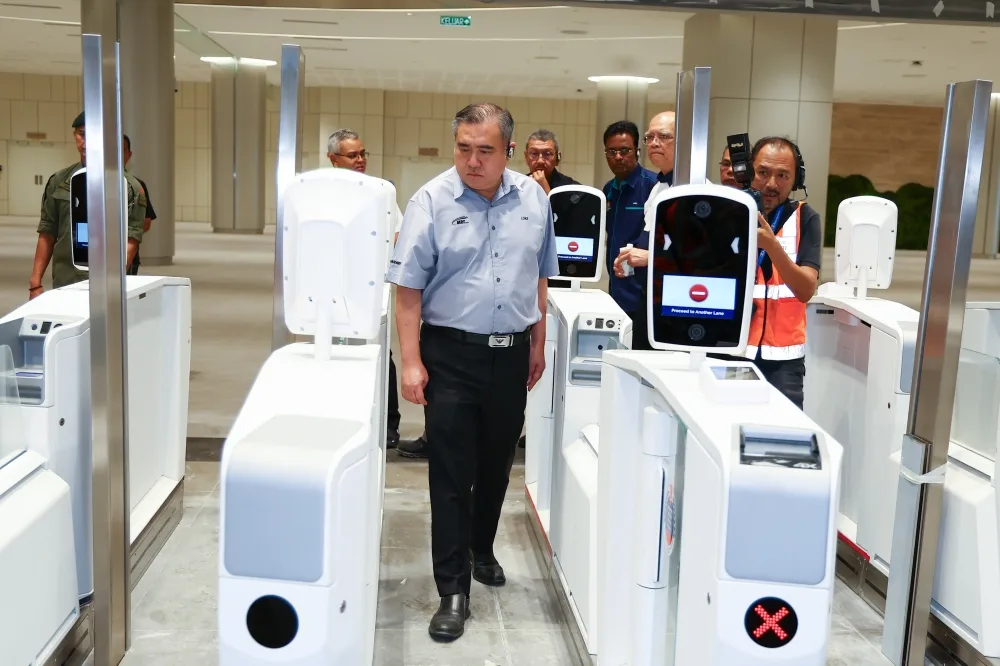
At the Bukit Chagar Immigration, Customs, and Quarantine (ICQ) complex, 100 electronic gates (e-gates) will support immigration clearance via QR code or passport scanning. RTS Link project director Zulkifli Mohamed said, "There are 100 e-gate lanes at the ICQ complex, which are designed to support immigration clearance by QR code or passport." [1] Passengers will also pass through body scanners that detect prohibited items. If the scanner flags any suspicious elements, operators will guide travelers to secondary counters to avoid disrupting passenger flow, he added [2].
The ICQ complex features 10 security screening lanes for body checks, 18 baggage scanners, and dedicated lanes for travelers without luggage [1, 2, 3]. Other passenger amenities include nursing rooms, prayer houses (surau), and self-service ticket kiosks [1, 2, 3].
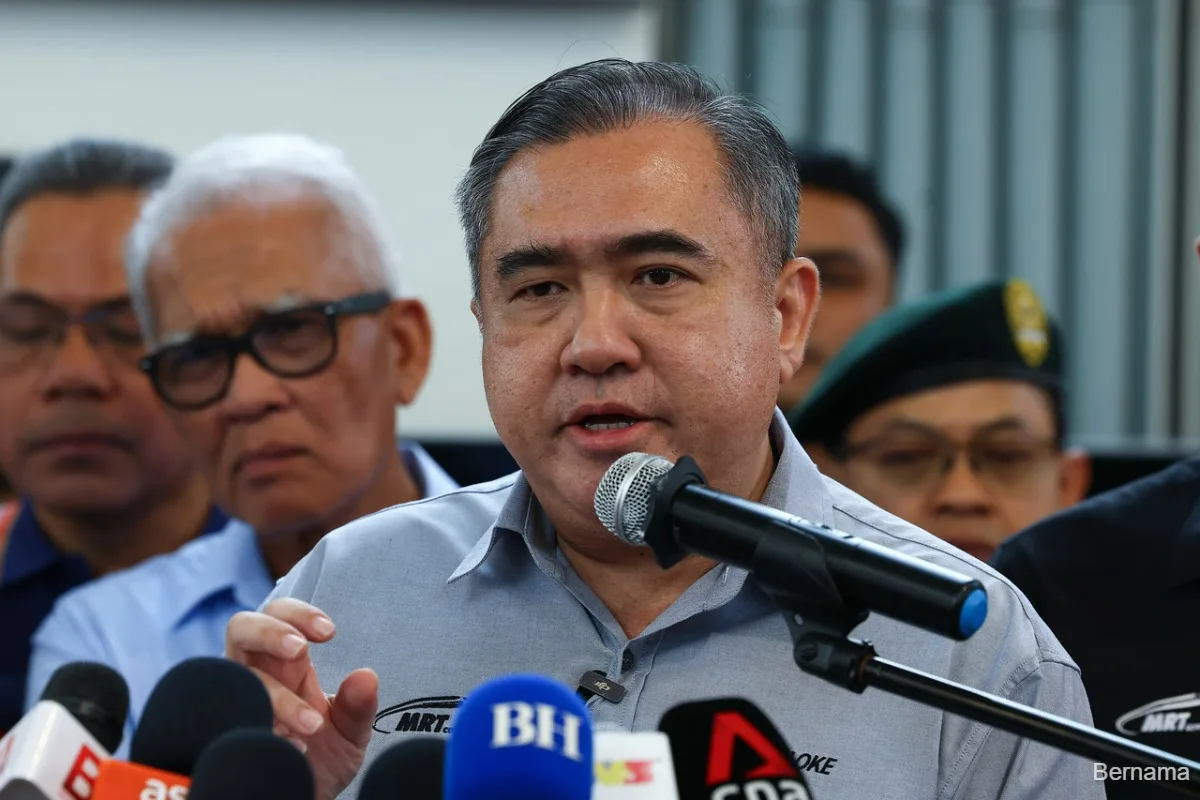
Malaysian Transport Minister Anthony Loke said travelers have the choice of using either QR codes or regular passports for immigration clearance. He explained, "Regular passports can also be used. So, the QR code is an option available to travellers, but they can also use their regular passports." [4]
The Border Control and Protection Agency (AKPS) will station 640 officers and staff at the ICQ complex to manage operations, including responding to potential system disruptions [4, 5, 6]. More than 400 AKPS personnel are currently in training and will report for duty from October, undergoing orientation and simulation exercises through December [4, 5, 6]. AKPS director-general Datuk Seri Mohd Suhaily Mohd Zain said, "Manpower is always there to mitigate that kind of circumstance (e-gate system disruption). Since this place is close to BSI, assistance may also arrive quickly." [5] He also emphasized readiness for the expected passenger load, saying, "We need to get to know the system, buildings and the flow of passengers. Everyone is aware that the estimate is about 10,000 people an hour. So, on our part, we need to be ready." [6]
The RTS Link is designed to handle 10,000 passengers per hour in each direction with a projected daily ridership of about 40,000 [1, 2, 3]. The ICQ complex also houses offices for the Border Control and Protection Agency and the Malaysian Quarantine and Inspection Services Department for monitoring and enforcement [1, 2, 3].
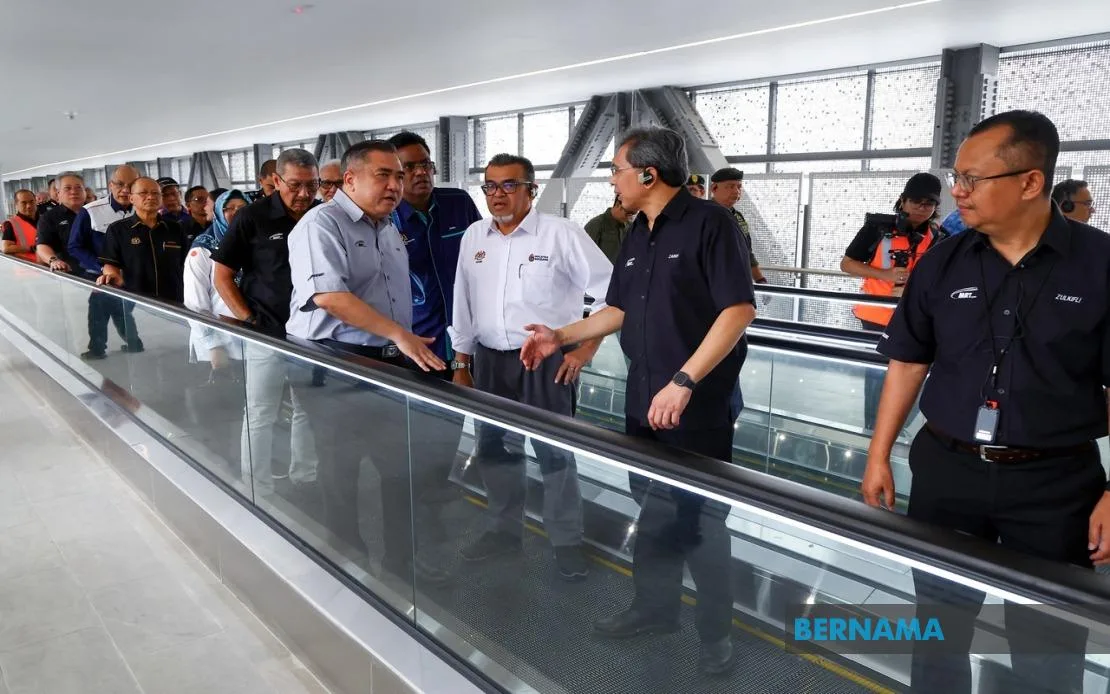
Transport Minister Loke visited the Bukit Chagar ICQ complex and briefed the media on clearance methods and contingency plans on August 18, 2026 [4, 5, 6]. Project director Zulkifli Mohamed held a media briefing on the immigration clearance system on August 17, 2026 [1, 2, 3].
The next major operational milestone will be in October 2026, when over 400 AKPS officers are expected to report for duty and begin their training programs in preparation for the full start of RTS Link services on January 1, 2027 [4, 5, 6].