Kuala Lumpur City Hall (DBKL) scored only 0.08% out of a possible 5% in the 2025 Public Service Corruption Ranking, revealing significant governance weaknesses [1, 2, 3]. Responding to this low rating, DBKL introduced 16 governance and administrative reform initiatives over a six-month period, aiming to strengthen transparency and integrity [1, 2, 3].
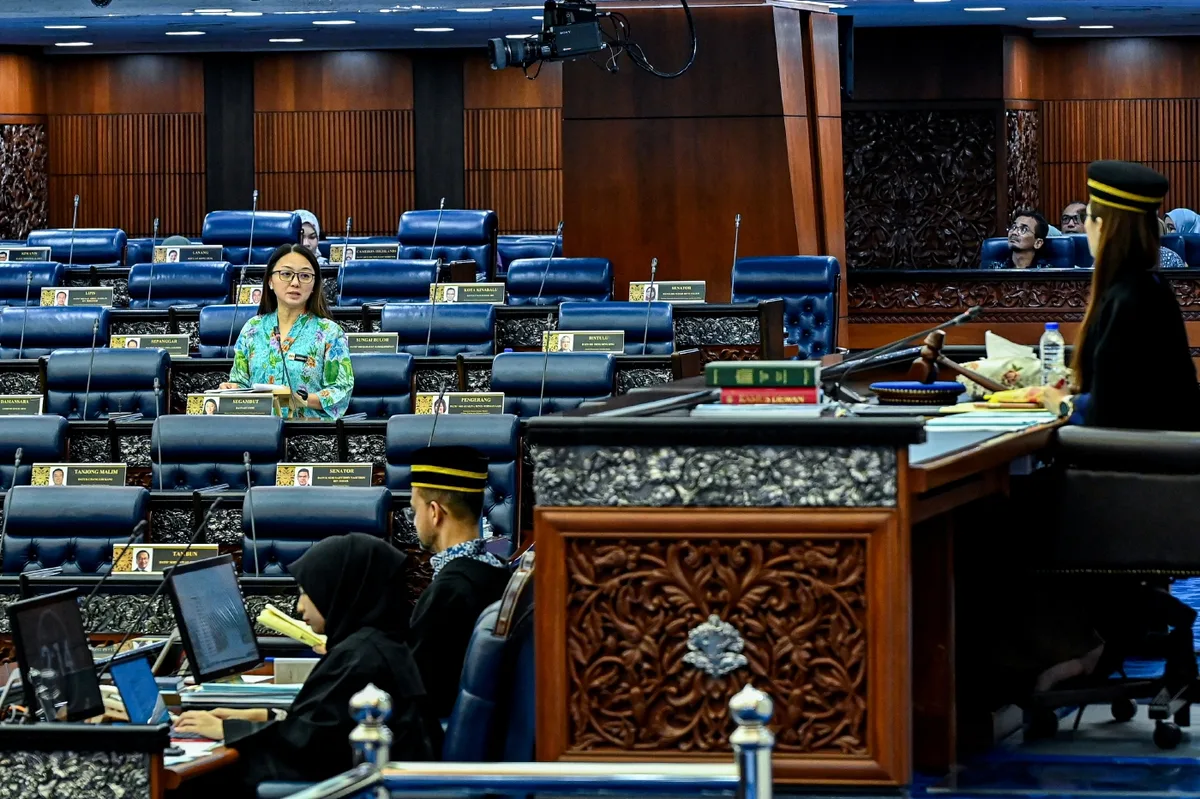
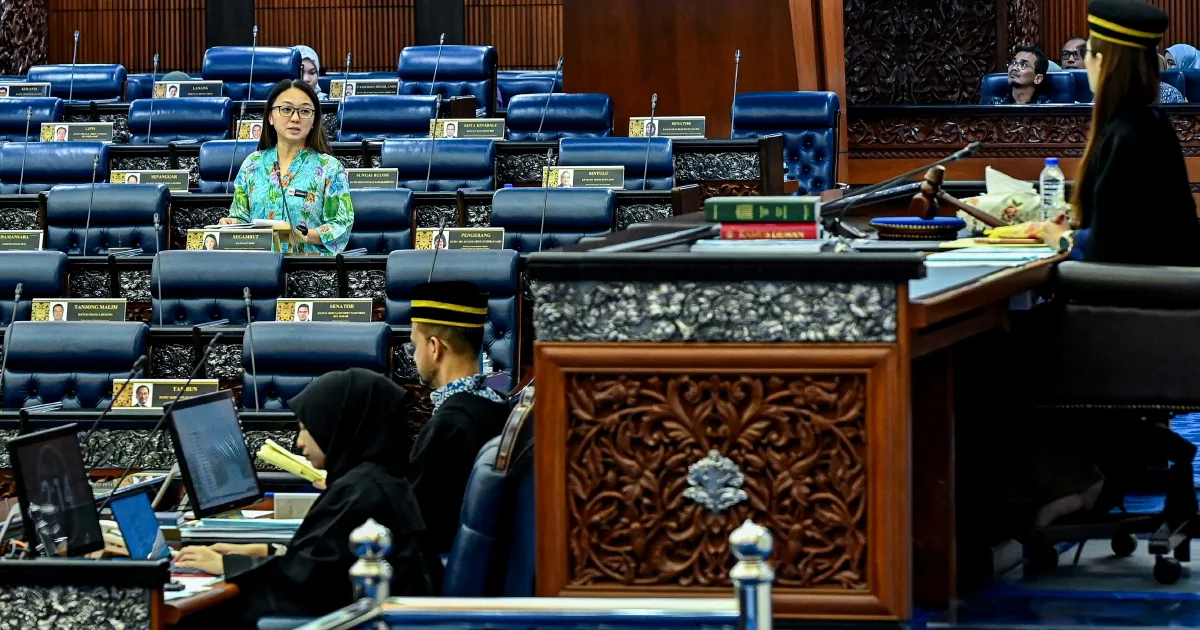
These reforms were guided by a study conducted by the International Islamic University Malaysia (IIUM) after an engagement session with Kuala Lumpur MPs on March 2, 2026. The study identified key recommendations to improve DBKL governance, which the city hall is now implementing [1, 2, 3]. As Minister Hannah Yeoh stated, "In line with the recommendations in the IIUM study and in acknowledging the reality of the score obtained, DBKL is implementing 16 governance and administration reform initiatives within the next six months" [2].
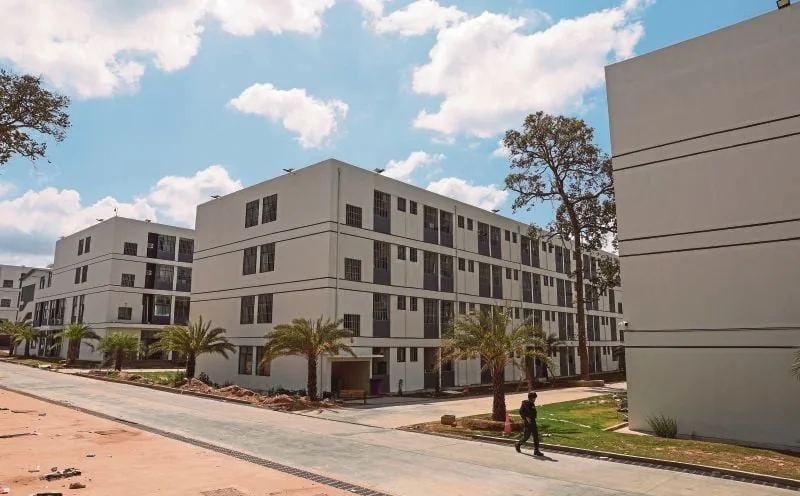
Among the five procedural weaknesses pinpointed by the Malaysian Anti-Corruption Commission (MACC) were issues in managing radio studio content production, allocation of Ramadan bazaar sites, contract management for business licensing, governance of the Malaysian Statutory Bodies Association Sports Championship, and rent collection for DBKL-administered people's housing projects [1, 2, 3].
To address political interference concerns, DBKL abolished the Special One Stop Centre (OSC) Committee. As Yeoh explained, "We have also abolished the Special One Stop Centre (OSC) Committee to ensure the separation of powers and prevent political interference in development processes and decision-making" [1]. Access to the OSC 3.0 Plus Portal was granted to all Kuala Lumpur MPs to review and give feedback on development applications before final approvals [1, 3].
The mayor's authority to approve contributions was capped at RM3,000, with any higher amounts requiring approval from the Top Management Committee [1, 3]. New committees were also created, including the Audit Committee, Governance and Integrity Committee, and the Mayor’s Contributions Committee, to bolster oversight [3]. Additionally, five budget monitoring committees chaired by MPs and joint consultation meetings between MPs and DBKL executives were established to improve governance [2].
On July 16, 2026, DBKL conducted a citywide anti-begging operation across major tourist hotspots. The enforcement actions affected 25 individuals, including 13 Malaysians and 12 foreign nationals. Of those detained, five were handed over to other agencies: two to the Immigration Department and three to the Social Welfare Department [4].
Minister Hannah Yeoh publicly announced the completion of the 16 governance reforms on July 16, reinforcing DBKL's commitment to improving public integrity following the damning corruption ranking [1, 2, 3]. The next step will be monitoring the implementation results and maintaining transparency with MPs and the public.