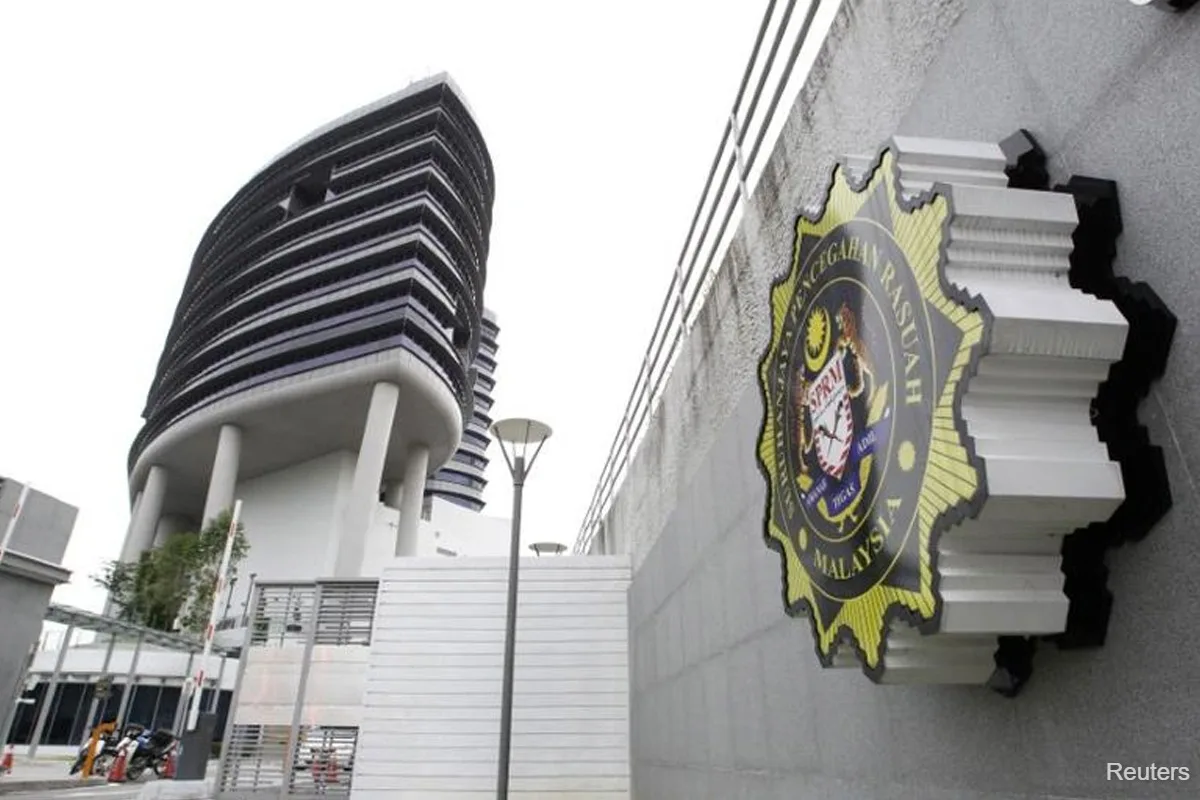
The Malaysian Anti-Corruption Commission (MACC) arrested five suspects on August 20, 2026, including a government agency chairman with a Datuk title, over alleged abuse of power involving eight plots of land sold below market value in South Seberang Perai, Penang in 2015 [1, 2]. The chairman was deputy chairman and board member at the time and is accused of approving the undervalued sale to a company linked to his associates, causing estimated losses of RM1.96 million to the agency [1, 2].
The five suspects, aged in their 40s and 50s, also include two company directors, a technical manager, and a female clerk [1, 2]. They were arrested at the Penang MACC office between 11 a.m. and 12 p.m. on August 20 and are scheduled for remand application at the George Town Magistrate’s Court on August 21 [1, 2].
MACC Chief Commissioner Datuk Seri Abd Halim Aman confirmed the arrests and said the case is being investigated for abuse of power under Section 23 of the MACC Act 2009 [1, 2]. The land sales in question date back to 2015, when the chairman and board approved the disposal below market value [1, 2].
The case has gained political attention. DAP national chairman Gobind Singh Deo called on the police and MACC to provide updates on investigations into alleged "corporate mafia" schemes involving corruption, calling it a matter of significant public interest with international implications [3, 4]. He urged authorities to clarify whether key figures like Victor Chin have been called to assist in the probe [3, 4].
PAS president Tan Sri Abdul Hadi Awang claimed that Muslims are less involved in corruption than non-Muslims, attributing this to faith and belief in accountability before Allah, though this view reflects contested opinions on corruption demographics [5].
The Malaysian Cabinet had ordered a comprehensive investigation into the "corporate mafia" allegations as recently as March 2026 [3, 4].
The five suspects arrested yesterday will be remanded in custody as the investigation continues, with further court proceedings expected to follow [1, 2].