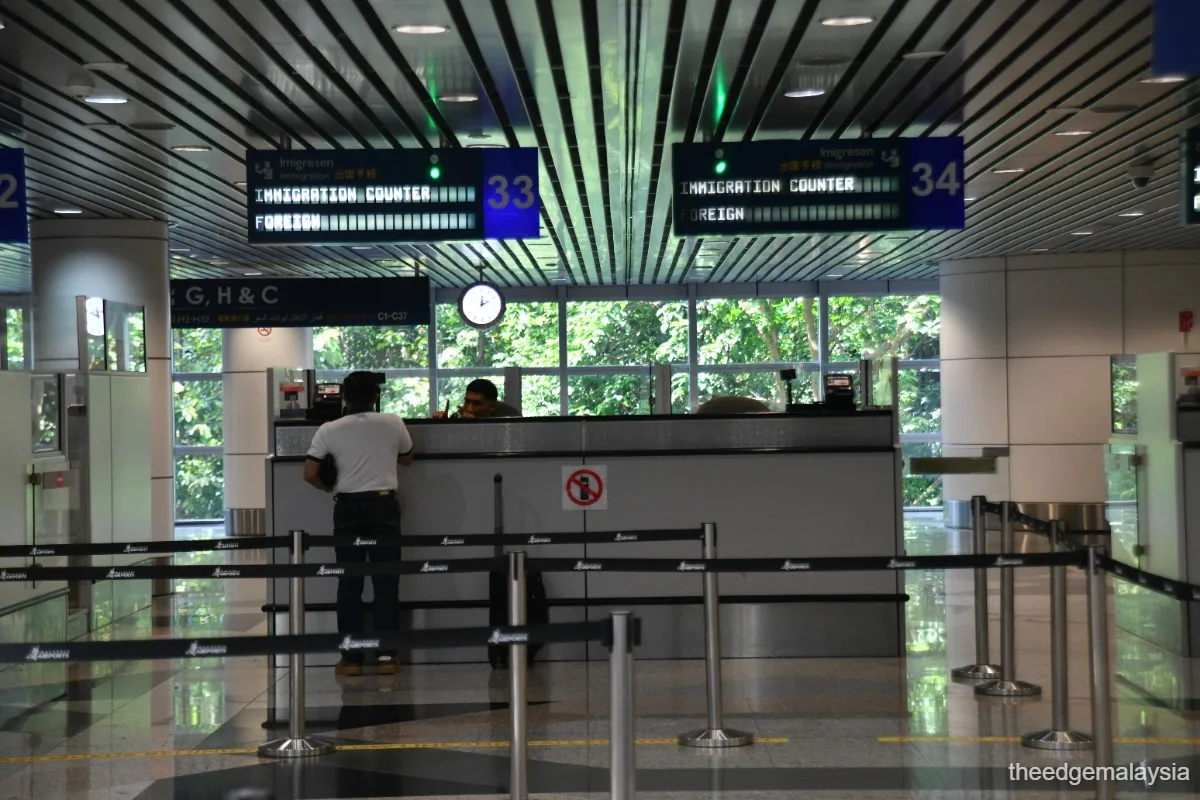
Malaysia and Singapore plan to launch a new digital immigration system alongside additional border lanes at the Johor-Singapore checkpoint by January 2027 to reduce congestion and improve efficiency [1, 2, 3, 4, 5]. Malaysian Prime Minister Datuk Seri Anwar Ibrahim said the launch will be a joint event with Singapore Prime Minister Lawrence Wong once all technical prerequisites are ready. “God willing, I will launch it together with Singapore Prime Minister Lawrence Wong once it is ready, likely in January,” Anwar said, adding that the system aims to facilitate faster travel with an advanced digital clearance process [1].
The project is already underway and is not related to election promises, with Anwar noting that revealing details earlier could have violated election rules [1, 2, 3, 4, 5]. The new system builds on Malaysia’s MyNIISe digital QR code platform, which has recorded nearly 19.5 million transactions at Johor’s two main land checkpoints as of June 28, 2026, easing border congestion [2]. The MyNIISe app has been downloaded 2.4 million times with 1.27 million active users [2].
Malaysia’s Home Ministry and Immigration Department have intensified efforts to speed clearance times at entry points, as congestion and delays remain a concern despite improvements over the past three years [1, 3, 5]. Anwar said, “We want to address this issue because our people working in Singapore have to queue for hours. They should not be burdened this way, so we must find a solution.”
Beyond border improvements, the Malaysian government aims to reduce reliance on working across the border by developing local high-tech industries. Anwar highlighted plans to use AI, data centers, and new technologies to create better income opportunities in Johor and other regions. The government also emphasized affordable housing projects such as Rumah Madani to support Johor Bahru’s growing population amid rapid development [1, 3, 5].
Since announcing the joint plan on July 5, 2026, Malaysia and Singapore have worked to align technical and infrastructure requirements. The new digital immigration system and expanded lanes are expected to launch by January 2027, with a formal joint event scheduled once all systems are fully operational [1, 2, 3, 4, 5].