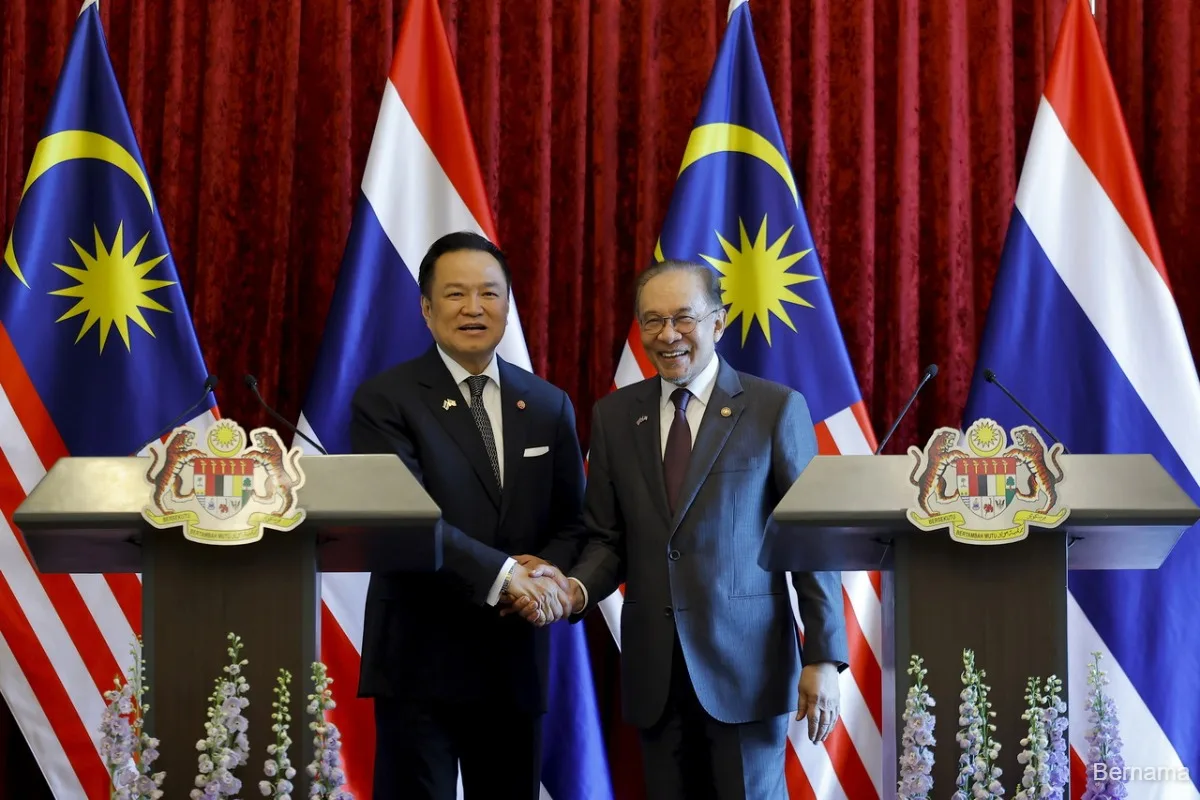
Malaysia and Thailand resolved outstanding fisheries market access issues and agreed to expedite the implementation of a Memorandum of Understanding on agricultural cooperation within one week, officials said yesterday [1, 2, 3, 4].
The MoU was exchanged between Malaysia's Agriculture and Food Security Minister Datuk Seri Mohamad Sabu and Thailand's Agriculture and Cooperatives Minister Suriya Juangroongruangkit, witnessed by both countries’ Prime Ministers [1, 2, 3, 4]. Prime Minister Datuk Seri Anwar Ibrahim said, "We have resolved this issue of outstanding issues on fisheries with both ministers' commitment. They (Thailand) wanted the memorandum to come into effect in one and a half months, and we have agreed it should come into effect in one week" [1].
The agricultural cooperation MoU provides a comprehensive framework covering crop production, livestock, fisheries, trade facilitation, marketing of agricultural products, research, capacity building, biosecurity, and phytosanitary measures [1, 3, 4]. Thailand’s Prime Minister Anutin Charnvirakul welcomed the cooperation, saying, "On food security, we welcome the meeting between our Agriculture Ministers to find amicable solutions in which we have concluded a moment ago to the pending cases of market access for fishery and agricultural products" [4].
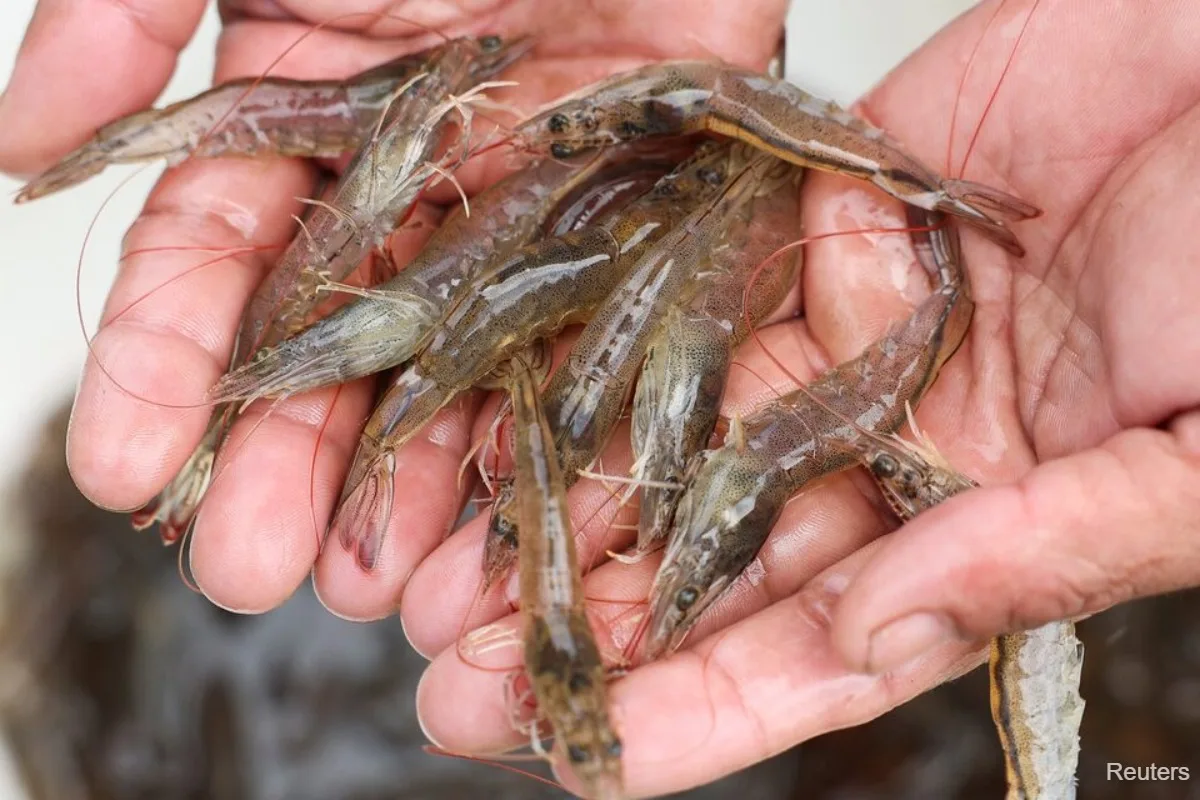
The two countries are engaged in ongoing technical talks to resolve trade concerns over sea bass and prawns, aiming for solutions based on scientific risk assessments and international standards [5, 6, 7]. Malaysia has submitted 35 technical questions to Thailand regarding prawn trade for clarification before completing risk assessments [5, 6, 7].
Both sides are working to harmonize import requirements for sea bass, including certification, food safety, traceability, and risk-based inspections. Malaysia is seeking a review of the 100% sampling requirement for compliant exporters and exploring "green lanes" for farms meeting safety standards, according to Fisheries director-general Datuk Adnan Hussain [5, 6]. He stated, "Malaysia views the process as a technical coordination effort... based on science, risk management and shared interests to ensure the fisheries trade relationship continues to grow in a fair, transparent and mutually beneficial manner" [5]. Hussain added that once all technical information is received, the assessment process will be expedited [7].
Thailand has enforced a ban on Malaysian prawn imports since 2017. Malaysia hopes to resolve the ban through these technical discussions to achieve balanced market access [5, 6, 7].
On June 1, 2026, Malaysia tightened import controls on Thai fisheries products by requiring Certificates of Analysis for barramundi and temporarily restricting imports of five shrimp species [1, 3, 4]. The bilateral talks that led to the current agreements took place in late June 2026, focusing on expanding cooperation across trade, investment, agriculture, and food security [1, 4].
The MoU is scheduled to be fully implemented within a week from the announcement, accelerating the initial timeline of one and a half months agreed earlier [1, 2, 3, 4].