The Malaysian government stepped in during 2018 with a bailout exceeding RM10 billion to restore Lembaga Tabung Haji’s (TH) financial position after mismanagement left the institution insolvent. At the end of that year, TH’s deficit gap between assets and liabilities had widened to over RM10 billion, threatening insolvency and a potential run on deposits [1, 2, 3, 4].
To stabilize TH, problematic assets valued at RM9.7 billion were transferred to Urusharta Jamaah Sdn Bhd (UJSB), a wholly government-owned company, as part of restructuring. These assets were valued at RM19.9 billion and acquisition was financed by sukuk fully subscribed by TH. Officials emphasized that no assets were sold to non-Muslims or Chinese interests, addressing public concerns. TH retained the right of first refusal to repurchase the transferred assets under commercial valuation and investment criteria. Since then, TH reacquired some properties, including land at Tun Razak Exchange and palm oil plantations, at prices below the selling price [1, 2, 5, 4].
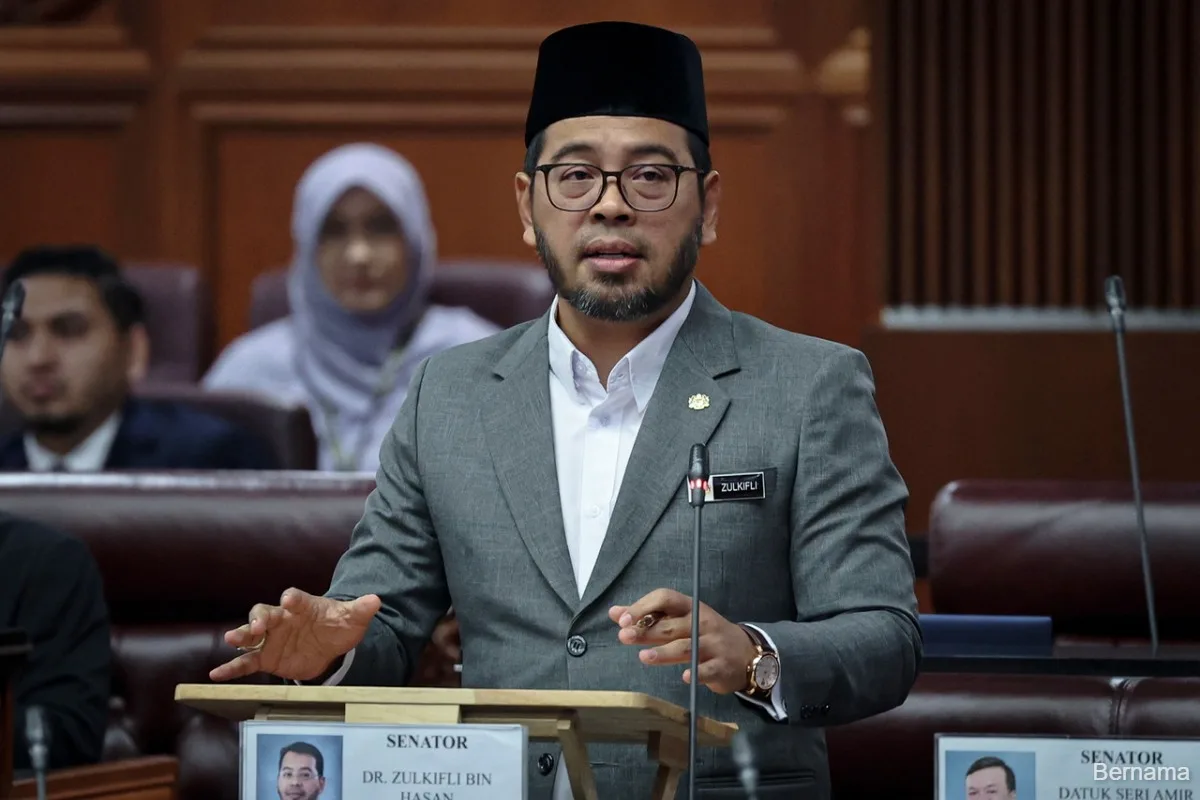
The bailout aimed to restore TH’s solvency and long-term sustainability, not a government takeover of assets. Dr Zulkifli Hasan, Minister in the Prime Minister's Department for Religious Affairs, said, "At that time, TH was insolvent and needed to be rescued. The situation ultimately forced the Pakatan Harapan Government to bail out TH with a restructuring plan to restore its financial position so that TH could become solvent again and remain sustainable in the long term" [1]. He also rejected claims of asset sales to non-Muslims or China as "irresponsible" [5].
The crisis was traced to over a decade of weak governance, political interference, and risky investments driven by pressure to pay high dividends. The Royal Commission of Inquiry (RCI) found losses in billions of ringgit, including RM145.3 million lost in the Putrajaya Perdana project. Investments in Al-Rawda hotels, FGV, and the TRX land purchase linked to the 1MDB scandal were especially problematic. The 2018 TH board appointed PricewaterhouseCoopers to reassess the accounts and uncovered inaccurate prior accounting that underreported losses [6, 7, 3, 8].
Reforms since then included adherence to proper accounting standards and audited profit distribution starting in 2022. By 2025, TH posted a record RM4.64 billion in investment income and increased profit distribution rates from 1.25% in 2018 to 3.5%. The cost of the haj pilgrimage was maintained at RM33,300 from 2024 through 2026 despite inflation [6, 3, 9].
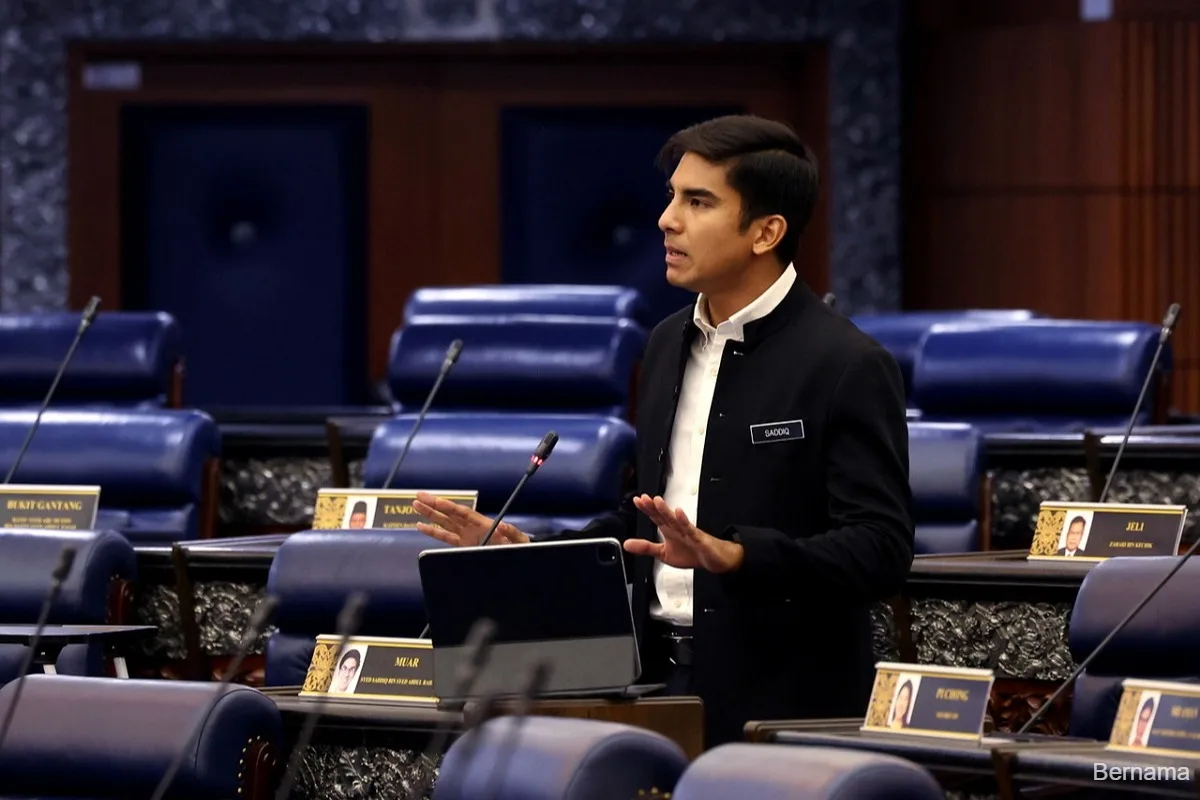
Concerns about the rescue remain. MP Syed Saddiq acknowledged the bailout "saved TH on paper" but warned the government must honor financial commitments that make the rescue real, especially regarding refinancing RM11.5 billion in sukuk debt [10]. The Cabinet approved RM17.8 billion in 2019 to cover potential shortfalls related to sukuk redemption [10].
Following the RCI report, enforcement agencies launched investigations and detained individuals over asset and fund misuse. The government announced steps to strengthen governance, accounting standards, and prohibit active politicians from TH board appointments. A task force led by TH's chairman, Bank Negara, and the Securities Commission recommended regulating TH’s fund management under securities laws [6, 3, 8, 11].
TH has received five consecutive World's Best Haj Management Awards, reflecting its institutional recovery and leadership effectiveness [11]. Over 75% of the RCI’s 25 recommendations have been implemented, though calls continue for publicly reporting loss recovery progress and independent oversight of large investments [12].
On August 11, 2026, the Dewan Rakyat held a special sitting to present and debate the RCI’s findings and government responses, following the Cabinet's July 29 unanimous decision to make the report public and order full investigations on misappropriation [1, 10, 6, 3, 8, 12, 11].