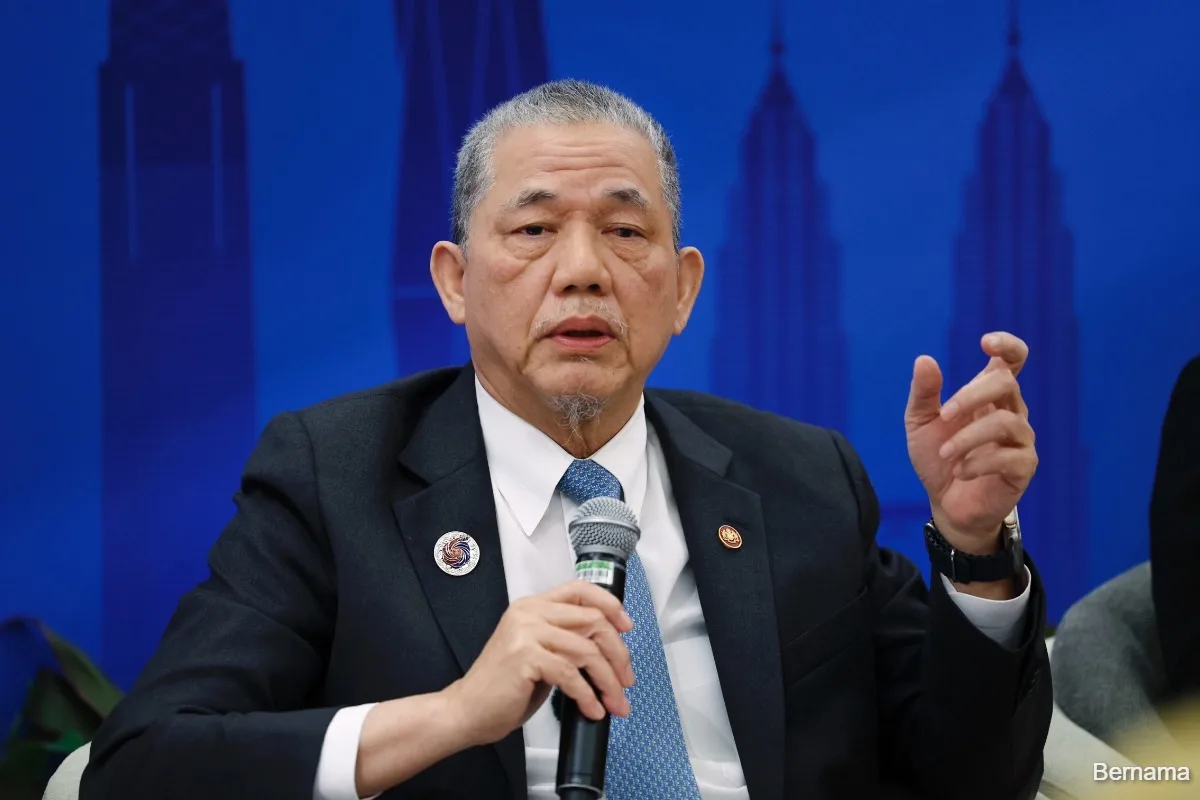
Malaysia is expanding Battery Energy Storage System (BESS) projects across the country to support grid stability as renewable energy use increases, especially solar power [1, 2]. The government opened tenders for BESS projects at multiple sites in Peninsular Malaysia, Deputy Prime Minister Datuk Seri Fadillah Yusof announced on May 29, 2026 [1, 2].
BESS technology helps manage the intermittent supply of solar power and other renewable sources that cannot provide steady base load electricity. Batteries store energy and distribute it according to demand patterns, maintaining a stable power supply and avoiding grid disruptions [1, 2]. The Deputy Prime Minister said, "The government has opened tenders for BESS, particularly in Peninsular Malaysia, because as more solar projects are implemented, energy supply from solar and renewable energy sources that do not provide base load supply could threaten grid stability" [1].
On May 18, 2026, Malaysia inaugurated the 100-megawatt Santong BESS project in Dungun, Terengganu. This battery facility is expected to benefit about 40,000 users on the east coast of Peninsular Malaysia [1, 2].
The expansion of BESS projects also extends to East Malaysia. Sabah Electricity Sdn Bhd is advancing battery storage initiatives in Sabah, while Sarawak Energy Berhad is leading efforts in Sarawak [1, 2].
All Large Scale Solar (LSS) projects currently being tendered across the country include battery storage as a key component. Datuk Seri Fadillah added, "This helps ensure the grid remains stable and not threatened. That is why all Large Scale Solar (LSS) projects currently being tendered also involve the use of batteries" [2].
The government's continued tendering process aims to broaden battery storage deployment, supporting grid resilience as the country integrates more renewable energy capacity.