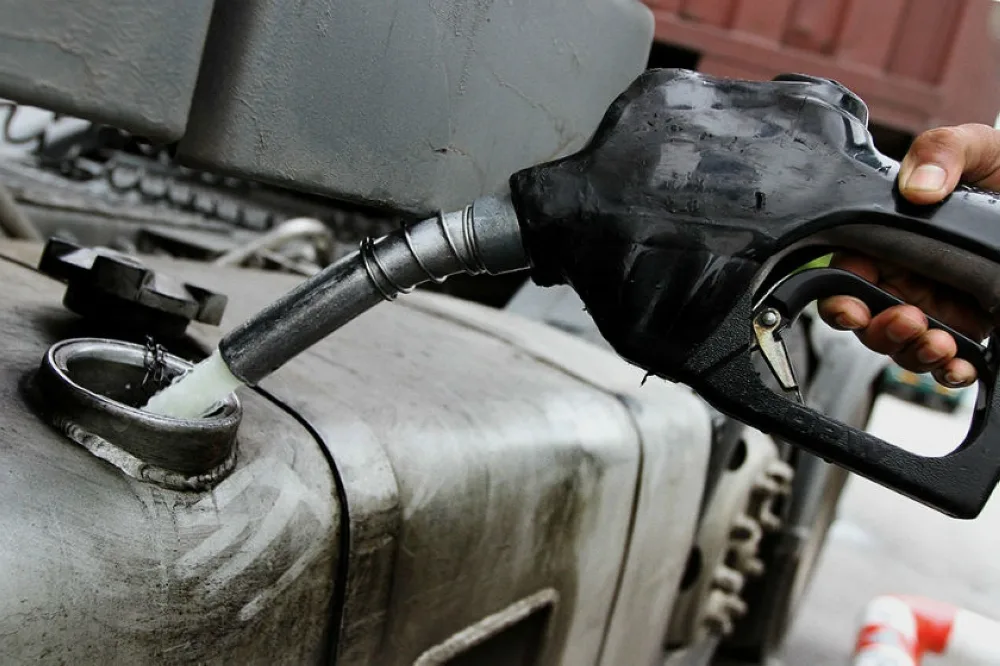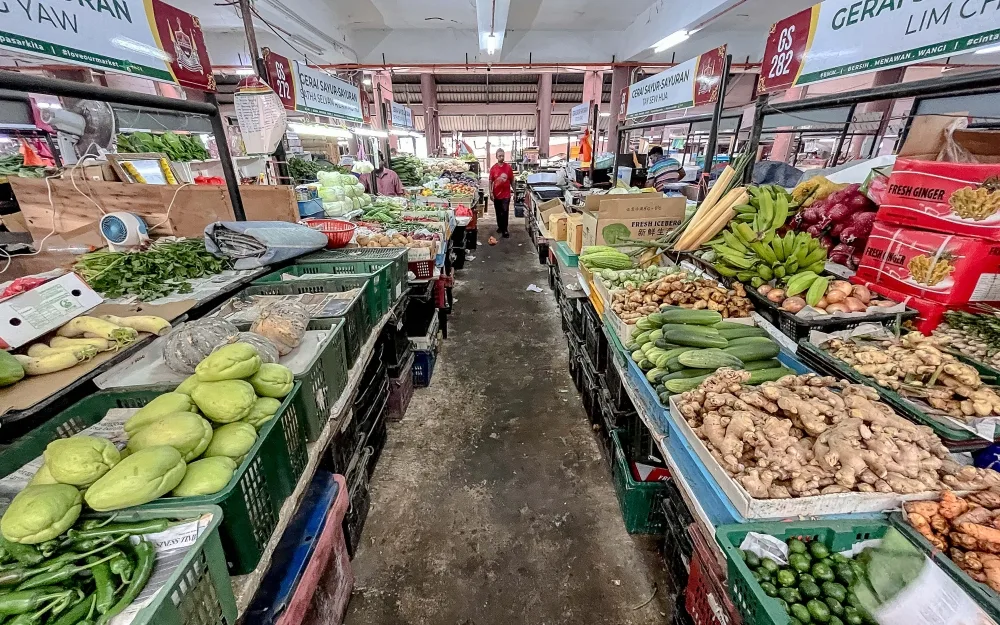
The Domestic Trade and Cost of Living Ministry (KPDN) launched Ops Kesan 6.0 on June 1, continuing until August 31, to curb profiteering in response to rising crude oil prices caused by a global supply crisis [1, 2]. The operation targets unreasonable price hikes by traders amid increasing raw material, operational, and business costs. Datuk Azman Adam, KPDN enforcement director-general, said, "This proactive measure was taken to monitor and ensure that traders do not take advantage of rising raw material, operational or business costs to earn unreasonable profits" [1].
Ops Kesan 6.0 is conducted under the Price Control and Anti-Profiteering Act (AKHAP) 2011 and its 2018 regulations [1, 2]. Inspectors will examine the entire supply chain, from manufacturers and farmers to distributors, wholesalers, and retailers. The key sectors under focus include petrochemical products such as packaging and plastics; agricultural items like vegetables and fertilizers; livestock products such as feed, chicken, and eggs; and transport and logistics [1, 2].
KPDN officers will issue Goods Information Verification Notices (NPMB) to businesses under Section 21 of Act 723 to collect price and cost data. If investigations reveal that profit margins exceed reasonable limits compared to previous years, legal action will be enforced under Section 14(1) of the act. Datuk Azman said, "If the initial analysis shows an increase in the current profit percentage exceeding that of the previous year, and further investigation confirms profiteering, legal action will be taken" [1].
Penalties for companies found guilty include fines of up to RM500,000 for a first offense and RM1 million for subsequent offenses. Individual traders can face fines up to RM100,000 or imprisonment for repeat offenses [1, 2].
Meanwhile, in Kedah, KPDN continues its fuel-related enforcement under Op Tiris Bersepadu 4.0, ongoing since March 16. It recorded 30 fuel offense cases, with 16 diesel and 14 petrol seizures valued at RM1.4 million, alongside confiscation of 26 vehicles [3]. Kedah’s KPDN chief enforcement officer Zalina Aziz noted the challenge of monitoring 362 petrol stations statewide, with 30 under special surveillance, particularly near border areas. She added, "If any breach of conditions or misuse is detected, we will recommend the cancellation of the fleet card to headquarters" after investigating three fleet card misuse cases related to subsidized fuel [3].
Ops Kesan 6.0 will continue its inspections and enforcement until August 31, aiming to stabilize prices amid global supply pressures [1, 2].