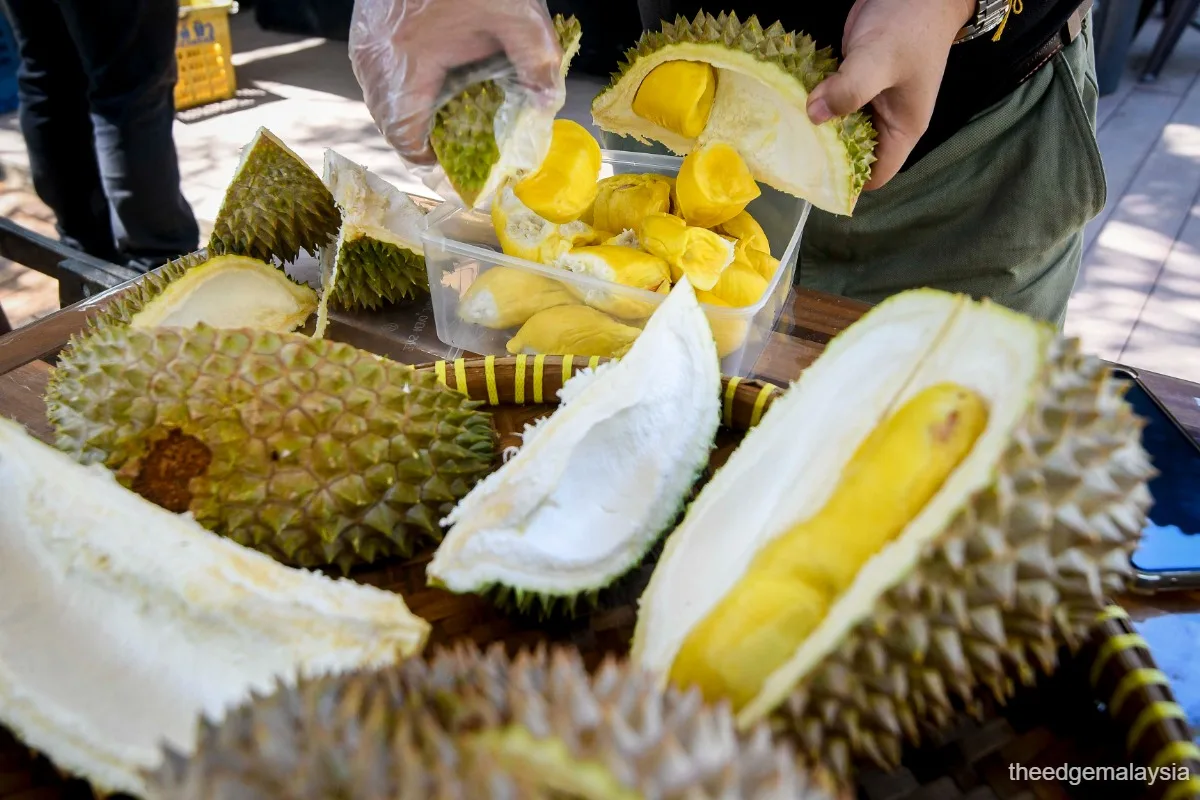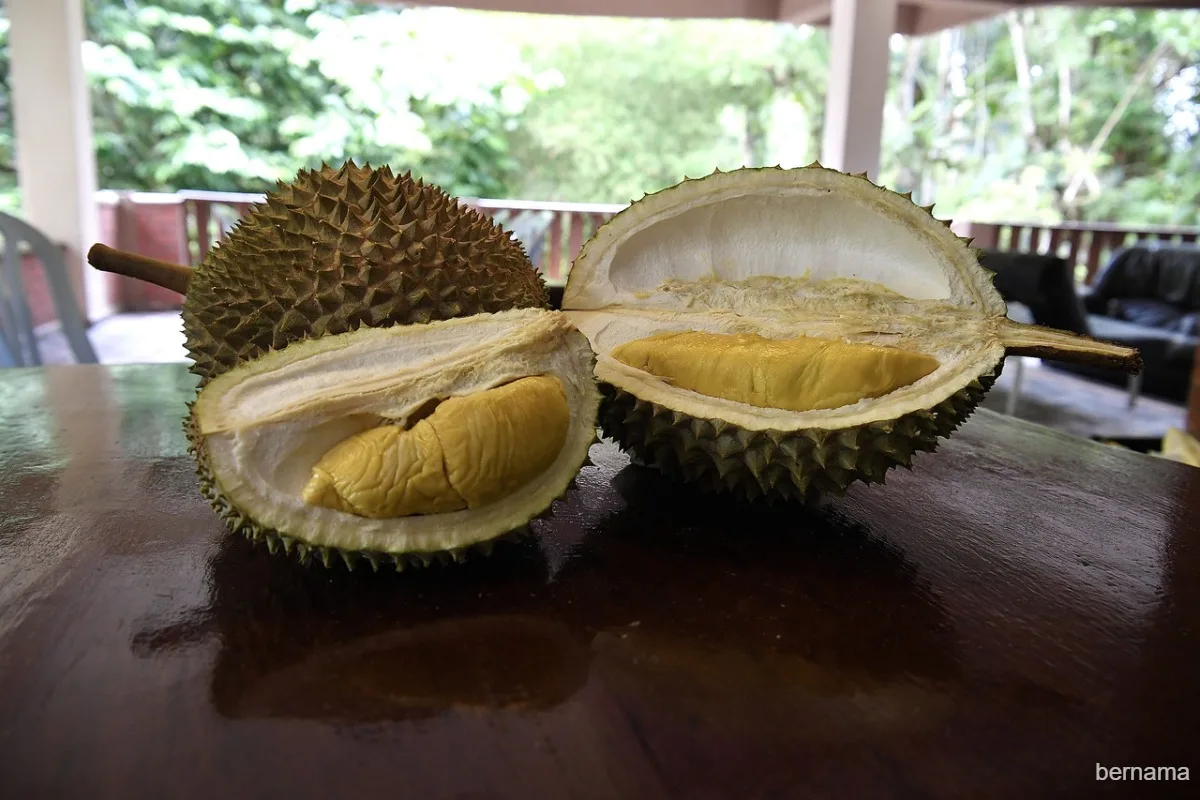
Prime Minister Datuk Seri Anwar Ibrahim pledged to raise the issue of falling durian prices with Chinese Premier Li Qiang during his visit next month, aiming to expand market access in China for Malaysian durians [1, 2]. The simultaneous durian season across states including Kedah, Penang, Perak, Selangor, Johor, and Pahang has caused a supply glut, leading to a sharp decline in farm-gate prices [3, 4, 5].
Malaysia is negotiating with the Thai government and China’s General Administration of Customs (GACC) to establish a land and rail export route for durians to China [3, 4, 5]. Agriculture and Food Security Minister Datuk Seri Mohamad Sabu said the Thai agriculture minister has met with him, and both sides are engaging in intensive discussions to facilitate exports by land and rail [3].
The new land route is expected to be more cost-efficient than current air freight, which is expensive and limits shipment volumes [3, 4, 5]. It would also open access to smaller Chinese cities with populations around two million residents each, creating new market opportunities beyond major urban centers [3, 4, 5]. Johor remains a key producer of agricultural goods, doubling pineapple production over the past three years, highlighting the region’s growing farming capacity [3, 4, 5].
Prime Minister Anwar noted Malaysia’s relatively low fuel prices through government subsidies, despite global oil price pressures, which supports agriculture and logistics sectors [1, 2]. From July 1 to 8, retail fuel prices stood at RM3.37 per litre for RON95 and RM3.97 per litre for diesel, with subsidized rates of RM1.99 and RM2.10 per litre under the Budi Madani scheme [1, 2].
Malaysia still seeks to improve self-sufficiency for key staples such as rice, meat, and maize used in animal feed to strengthen its food security [3, 4, 5]. The Prime Minister’s planned meeting with Li Qiang next month will be a pivotal moment to discuss expanding Chinese market access to support Malaysia’s durian farmers. The success of talks with Thailand and China on the land export route will be key to lowering logistics costs and stabilizing durian prices.