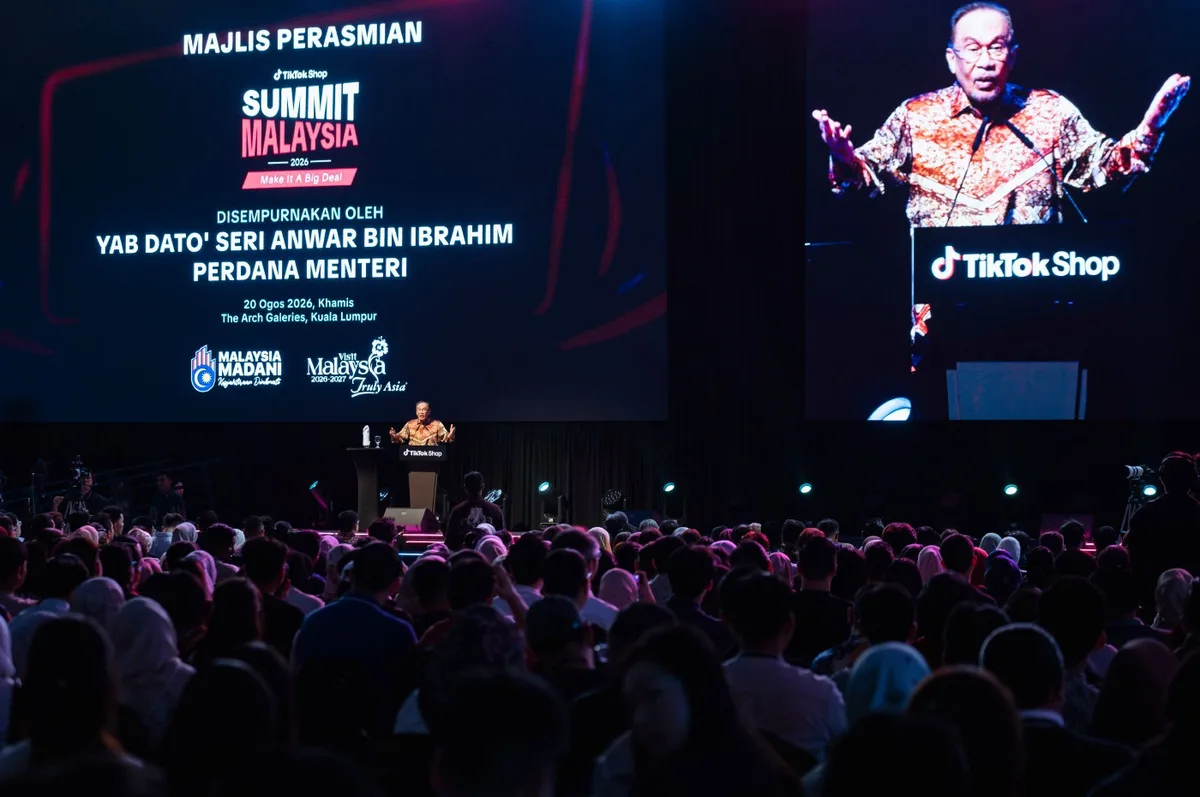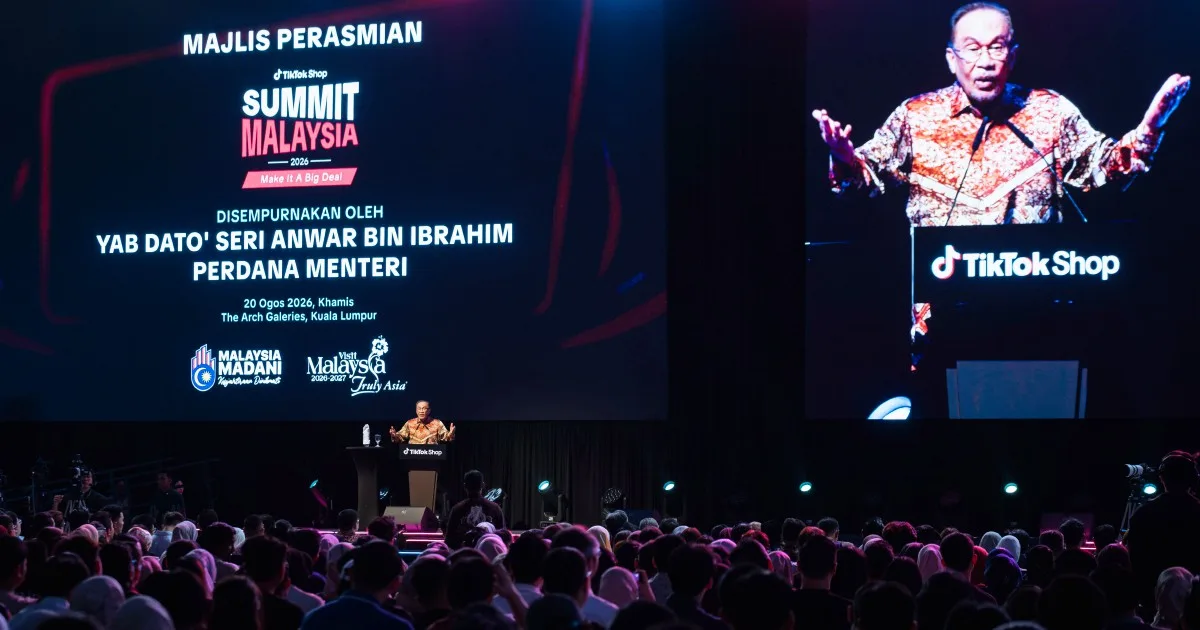
Prime Minister Datuk Seri Anwar Ibrahim announced on August 20, 2026, that Malaysia's government will not reinstate the broad-based Goods and Services Tax (GST), citing concerns over its impact on the poorest citizens. Speaking at the TikTok Shop Summit Malaysia 2026 in Kuala Lumpur, Anwar said, "I'm not prepared to consider the basic essence of GST because it is still a broad-based tax. They will impose tax on every single citizen, including the poorest of the rakyat. So, that principle must be observed" [1].
Anwar emphasized that the government's core principle is not to increase taxes on the very poor segment of the population. He reiterated, "Whether we need to make some adjustments in the way to improve the implementation of the SST or some components of GST, of course, we can do that. But the core principle of the Madani government is not to increase taxes on the very poor. Therefore, the GST principle cannot be considered" [2, 3].
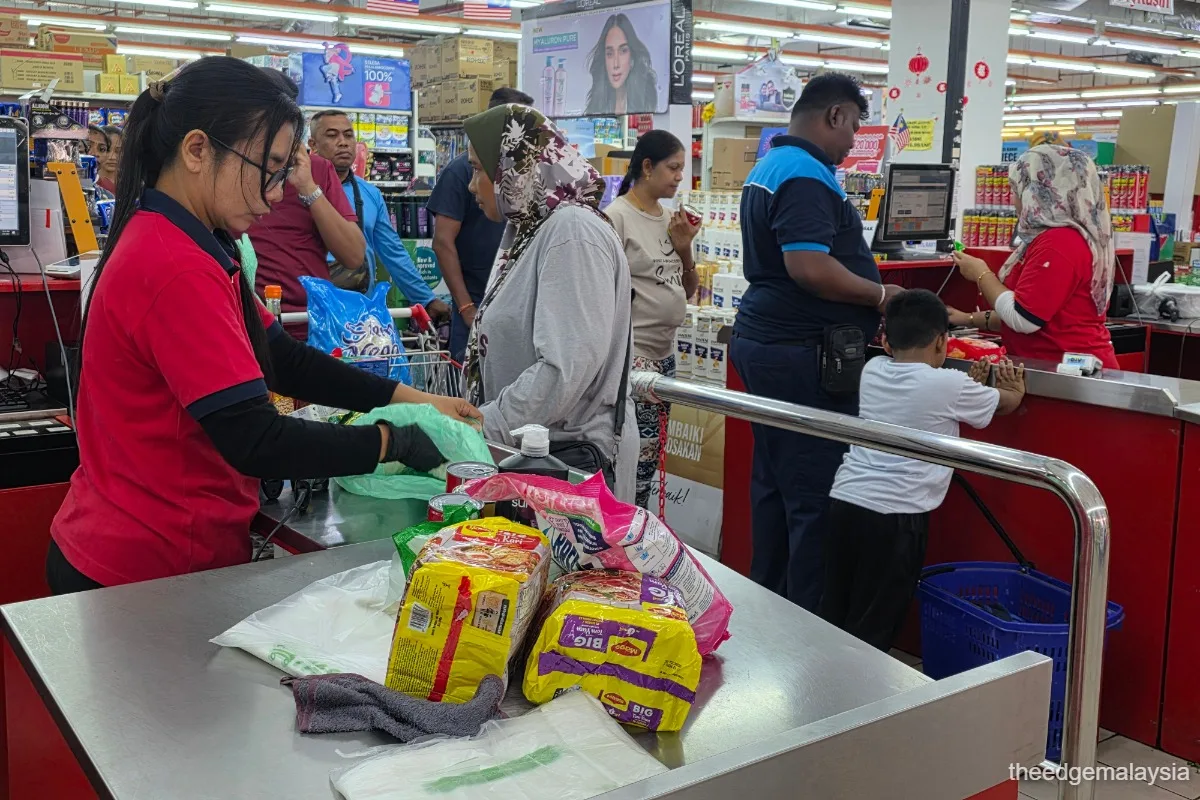
Malaysia moved away from the GST system, which was introduced at a 6% rate in April 2015 under the Najib Razak administration, following public outcry over rising living costs. The GST was abolished in September 2018 and replaced by the Sales and Service Tax (SST) regime [1, 2, 3].
The Prime Minister noted that the Ministry of Finance is studying the feasibility of a hybrid tax system combining elements of SST and GST to create a more efficient and progressive consumption tax [3]. This reflects ongoing efforts to improve the current SST framework without reinstating GST as a broad-based tax.
Anwar also announced tighter vetting procedures for foreign investors to ensure they bring tangible benefits to Malaysia’s economy and job market. He said, "The presence of some companies that use these warehouses for transiting are not generating any advantage both in terms of employment and or economic benefits. We have stopped those activities, but we need to review new applicants" [4].
The government’s next steps include continuing the study on the hybrid consumption tax system while enforcing stricter foreign investment scrutiny.