Malaysia's business events industry is forecast to create a cumulative economic impact of RM34.97 billion by 2030, according to the Malaysia Convention & Exhibition Bureau (MyCEB) [1, 2, 3, 4]. As of June 30, 2026, MyCEB had secured 416 business events set to take place through 2030, targeting an estimated RM8.27 billion impact—though one source puts the figure at RM3.98 billion [1, 3, 4] [2].
In the first half of 2026, MyCEB organized 194 nationwide business events that attracted more than 341,000 delegates, generating an estimated RM1.81 billion in economic impact [1, 2, 3, 4]. For the second half of this year, the bureau aims to attract 493,519 business delegates and produce RM2.63 billion in economic impact from events [1, 3, 4].
Since its founding in 2009, MyCEB has secured 3,575 business events, welcomed over 4.5 million delegates, and generated RM26.7 billion in economic impact for Malaysia's economy [1, 2, 3, 4]. Tourism, Arts and Culture Minister Datuk Seri Tiong King Sing said, "These results show the growing and continuous confidence of global event organisers in Malaysia" [1]. He added that business events "are a powerful platform that connects global minds, drives investment, fosters innovation and creates opportunities for our local businesses and communities" [2].
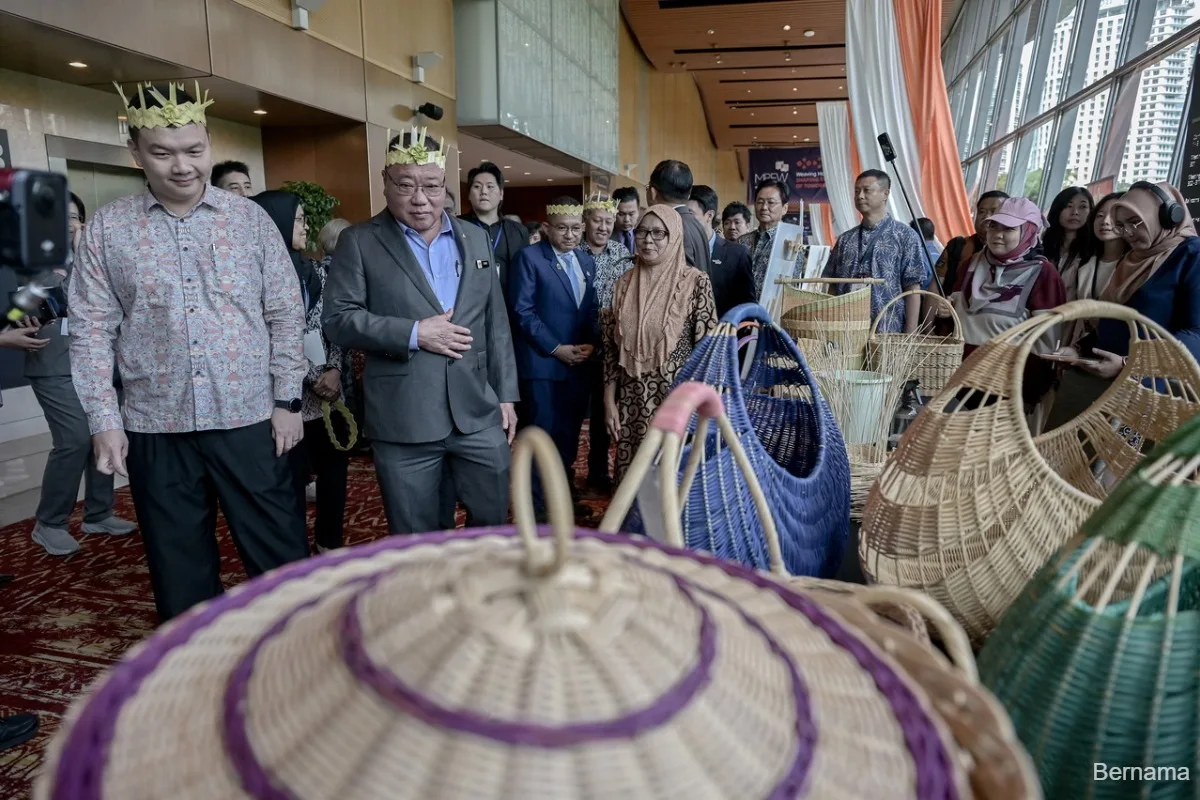
Tiong King Sing emphasized the importance of delivering world-class events that create meaningful experiences for delegates by allowing them to "feel the Malaysian culture and cuisine before leaving the country" [1]. The ministry also encourages relocating international events to Malaysia amid geopolitical uncertainty in West Asia [1, 3, 4].
Ministry of Tourism, Arts and Culture secretary-general Datuk Shaharuddin Abu Sohot cited the Formula One race at Sepang International Circuit as an example, saying participants typically arrive over a week early, which helps stimulate tourism-related businesses [3].
Malaysia plans to remain globally competitive by focusing on innovation, sustainability, digital transformation, and talent development within the business events sector [1, 3, 4]. According to Dr. Si Hua Kumar, chairman of the Malaysia Convention & Exhibition Bureau, "Like threads woven into a tapestry, each stakeholder brings unique perspectives, capabilities, and experience. When these forces unite towards a shared goal, they create a stronger, more resilient, and innovative industry prepared for future opportunities" [4].
MyCEB continues preparations to secure and manage hundreds of business events through 2030 to sustain the sector's economic contributions.