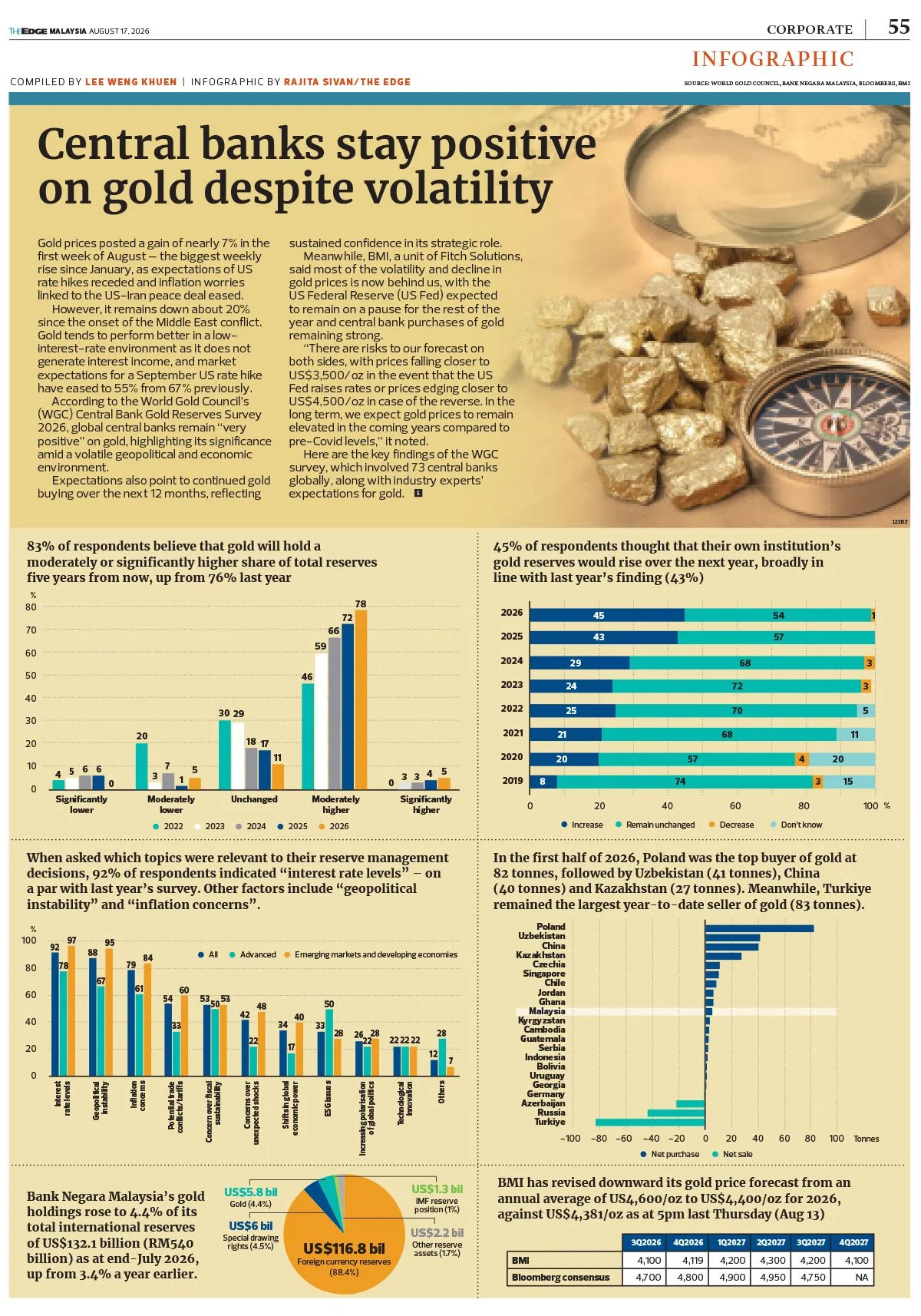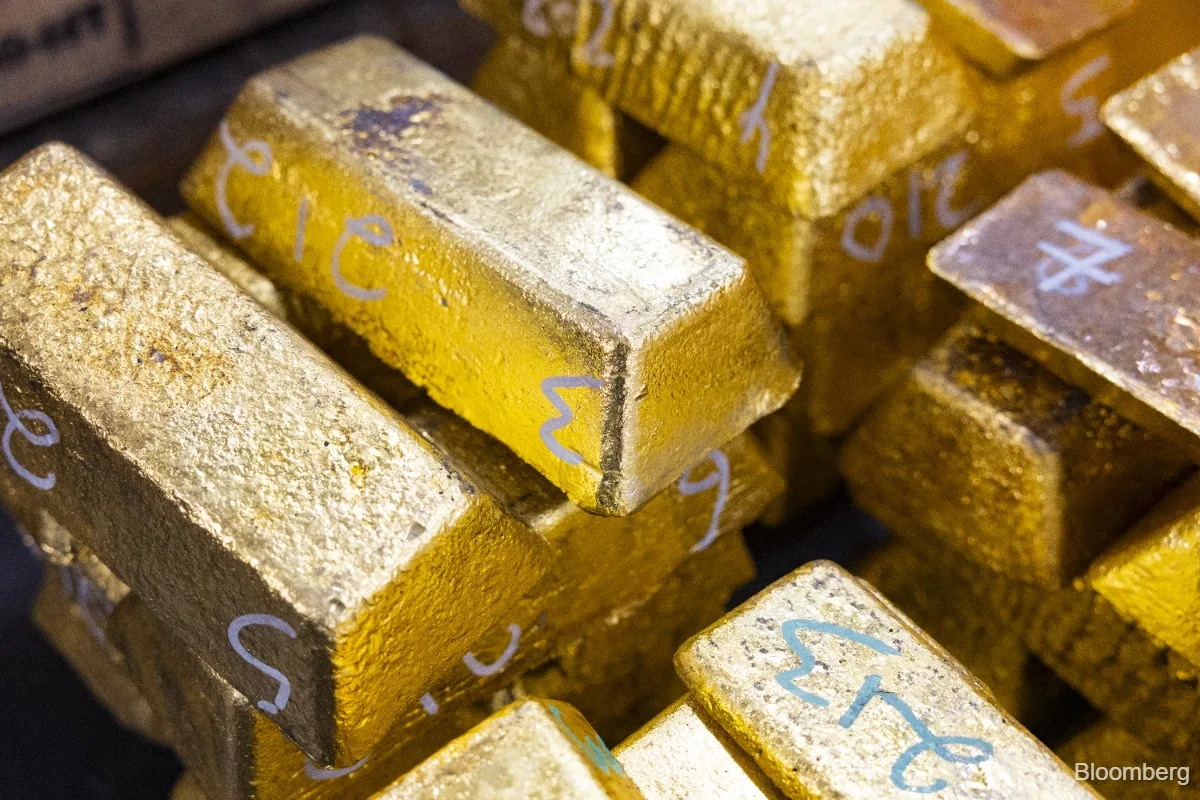
Gold prices increased between August 17 and 21, 2026, supported by a softer US dollar, easing bets on a Federal Reserve interest rate hike, and renewed central bank buying, notably from China [1, 2, 3, 4, 5]. Spot gold ranged roughly from US$4,357 to US$4,525 per ounce, with intraweek swings tied to US Treasury liquidity moves and geopolitical tensions including US-Iran strains [1, 2, 3, 4, 5]. US bond yields stabilized after an earlier surge helped boost gold on August 19 [3]. The US Treasury’s August 20 announcement doubling liquidity support for longer-dated bonds pushed gold to a two-month high before profit taking retraced some gains [4, 5].
Market confidence in a September Fed rate hike dropped after July US labor and inflation reports underperformed expectations, dampening rate hike bets [1, 2, 4, 5]. Edward Meir, an analyst at Marex, said concerns over financial stability and fiscal pressures remain “very bullish for gold,” while Ilya Spivak from Tastylive noted the critical US$4,400–4,500 price range has been cleared and if sustained, momentum should continue [4].
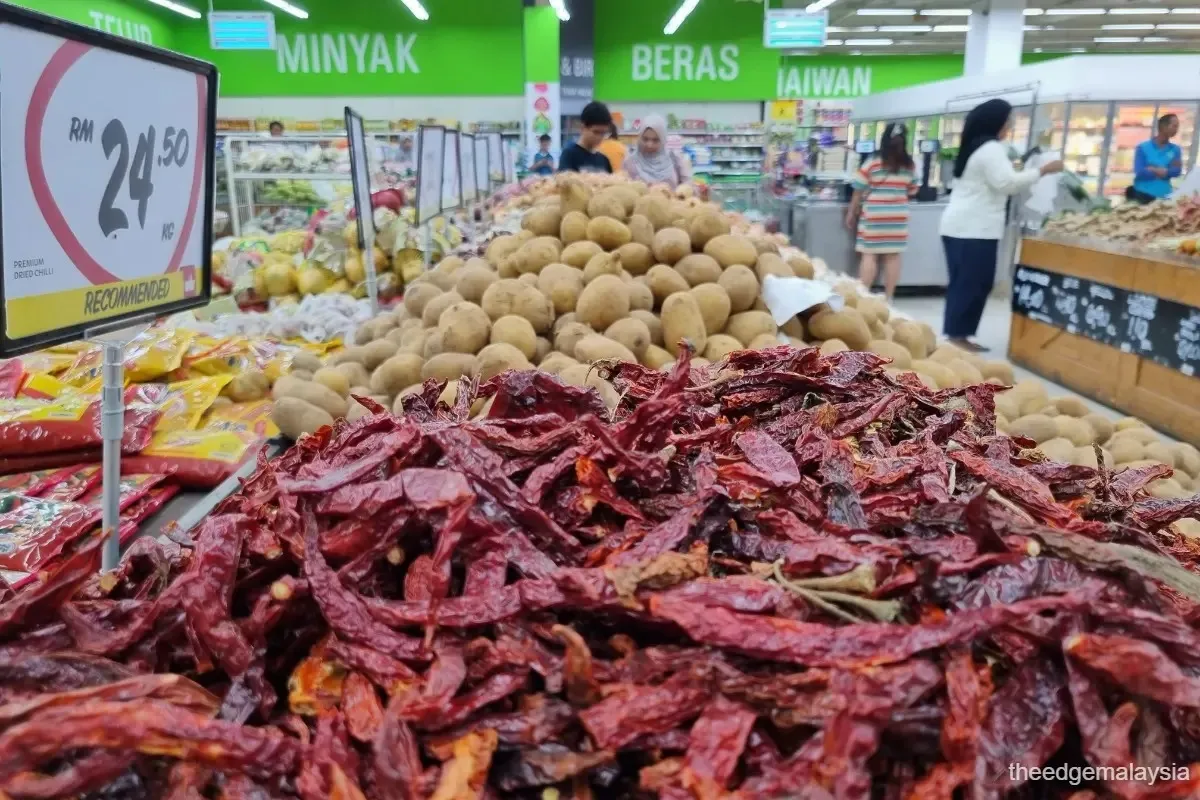
In Malaysia, the Consumer Price Index (CPI) rose 1.8% year-on-year in July 2026, just below economist forecasts of 1.9%, and down from 1.9% in June [6, 7]. The 137.1-point CPI reading reflected slower inflation in the transport sector at 1.4%, and moderate increases in personal care, social protection, restaurants, education, and communication categories [7]. Seven Malaysian states recorded inflation above the national average, with Negeri Sembilan registering the highest at 2.5% [7].
Despite the July easing, economists warned inflation pressures may build later in 2026 due to rising energy, freight, and food costs, influenced by global commodity prices and potential El Niño effects on food supply [8]. Malaysia’s producer price index rose 9.2% year-on-year in June, signaling upstream cost pressures that could feed into consumer prices [8].
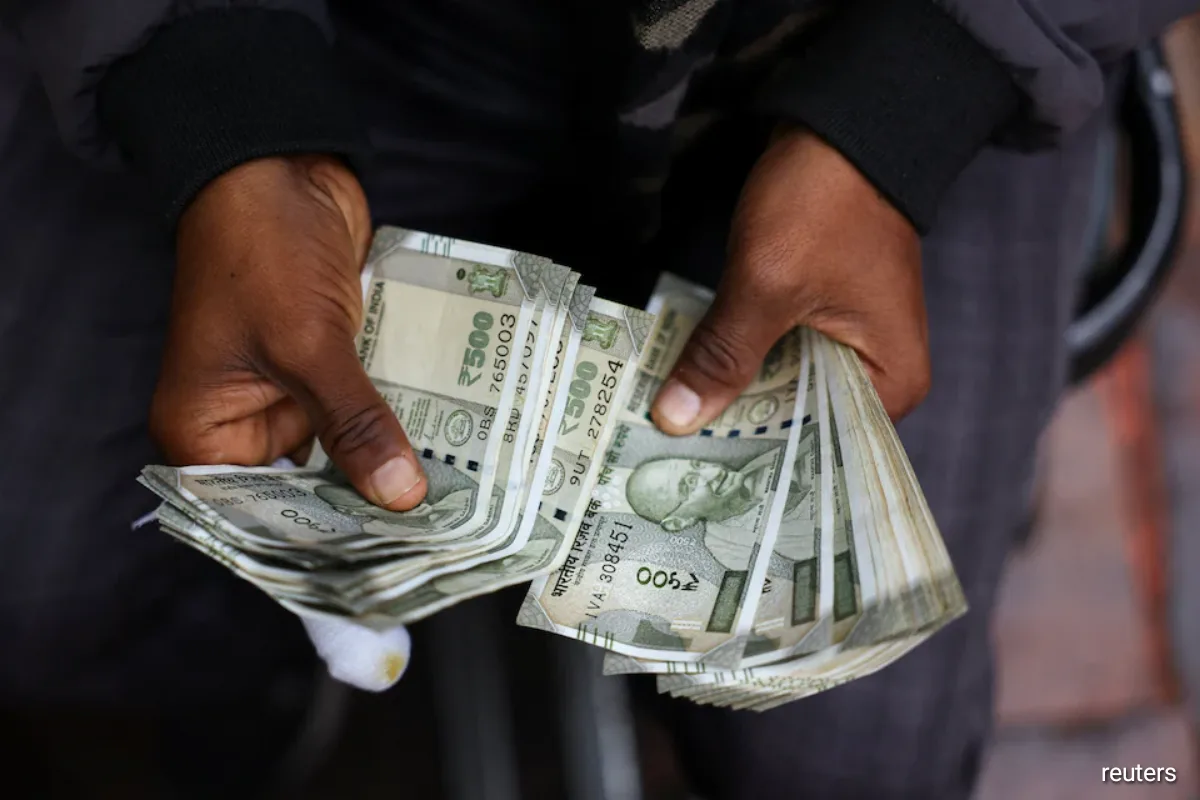
Elsewhere in the region, Thailand’s economy expanded 1.9% year-on-year in the second quarter of 2026, beating expectations, though it contracted 0.2% sequentially. Full-year GDP growth is forecast between 2.0% and 2.5% [9]. The Reserve Bank of India shortened its foreign currency deposit swap window, contributing to pressure on the rupee amid rising oil prices and US Treasury yields [10]. US-Iran tensions persisted, with Iran adopting a fully offensive military stance amid US refusal to extend a ceasefire, feeding oil price increases [2, 10, 3].