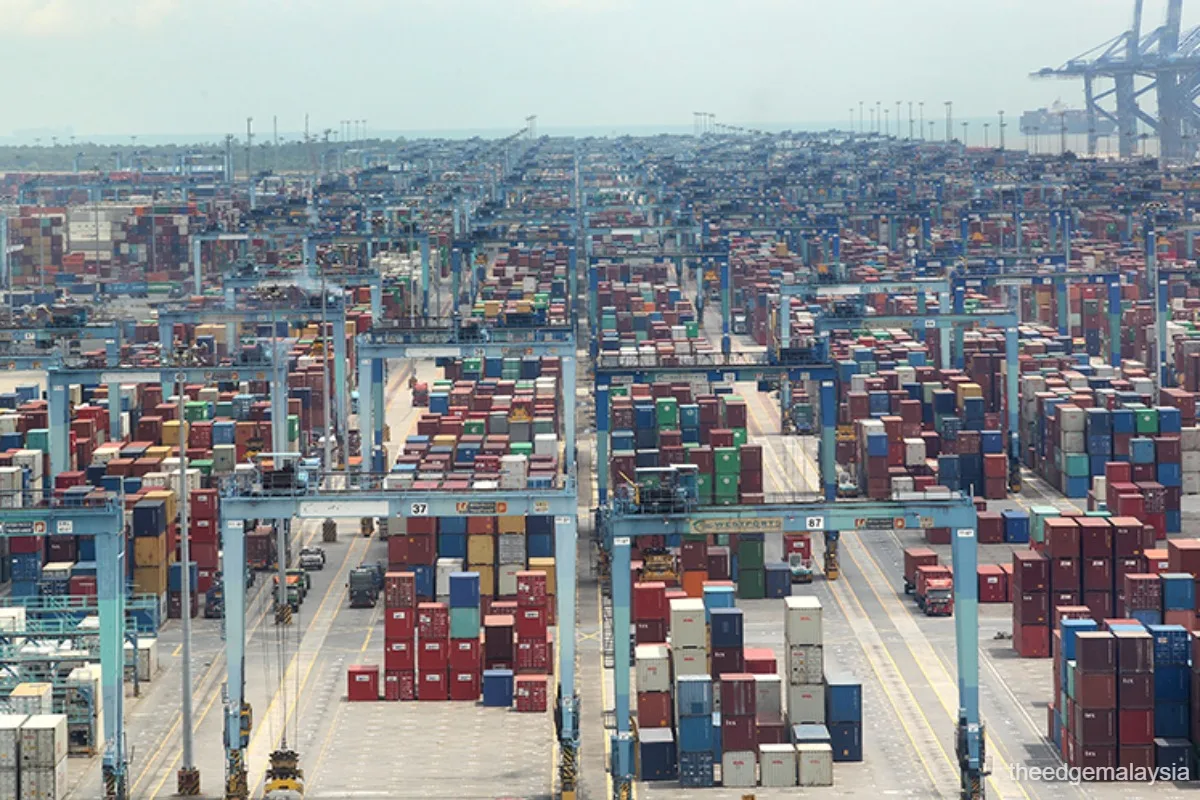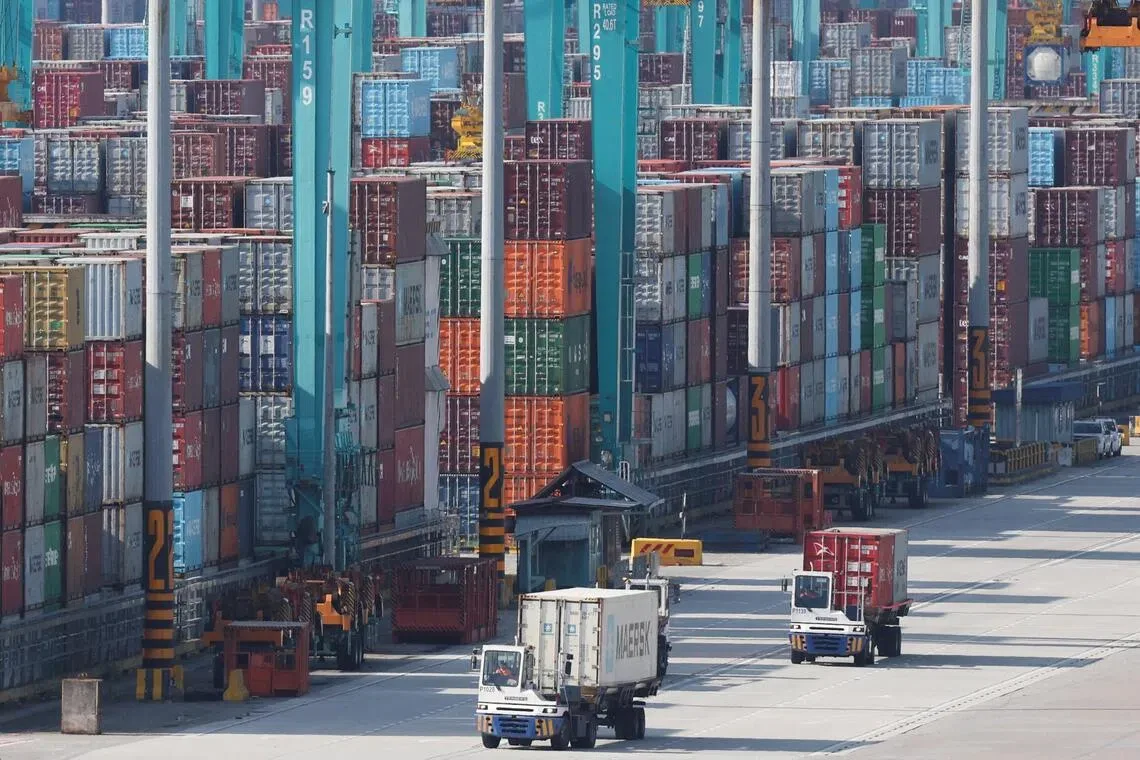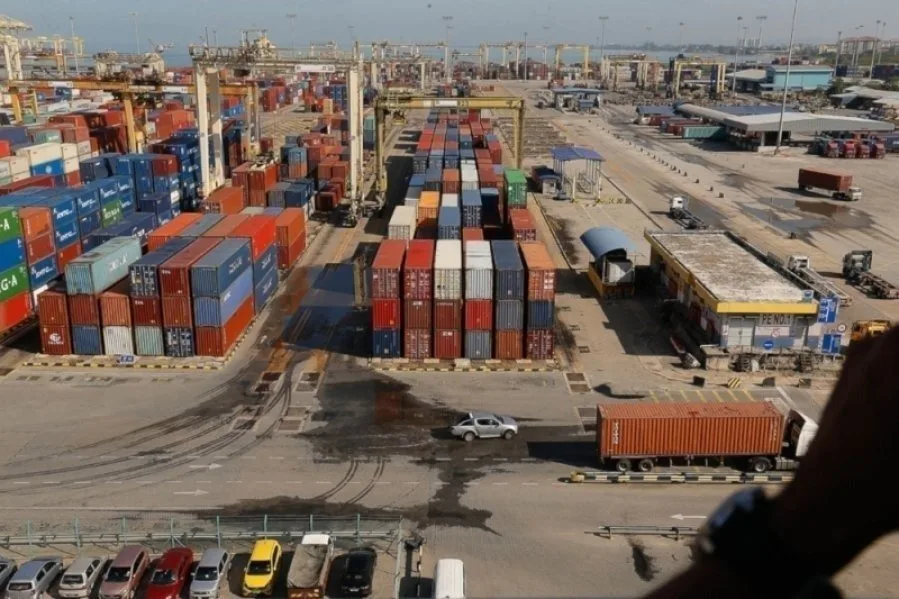
Malaysia's exports in July 2026 reached RM193.6 billion, a 38% increase from the same month last year, according to government data [1, 2, 3, 4, 5]. Imports also rose 36.4% year-on-year to RM171.1 billion, resulting in a total trade value of RM364.7 billion, up 37.3% year-on-year [2, 4, 5].
The country recorded a trade surplus of RM22.5 billion in July, marking the 75th consecutive month of surplus and a 51.9% increase compared with July 2025 [2, 4, 5]. For the first seven months of 2026, Malaysia's trade surplus surged 138.7% to RM170.5 billion, while total trade reached RM2.2 trillion, up 24.7% year-on-year [4, 5].
Exports grew moderately compared to May and June 2026, when growth was above 45%, signaling a slight slowdown in momentum [1, 3]. The Ministry of Investment, Trade and Industry said, "Looking ahead, the external environment is likely to remain very dynamic as geopolitical shifts, tariff measures and supply chain realignments continue to reshape global trade" [1].
Malaysia’s exports to key partners including the US, Taiwan, China, Singapore, the EU, Hong Kong, and Vietnam all rose in July [4, 5]. Major export categories with strong increases included electronic and electrical products (+RM32.3 billion), other manufactures (+RM10.5 billion), machinery and parts (+RM2.8 billion), petroleum products (+RM2.2 billion), optical and scientific equipment (+RM2.0 billion), and metal ores and scrap (+RM1.5 billion) [4, 5]. Imports also expanded in these categories, led by electronic and electrical products (+RM28.2 billion) and petroleum products (+RM4.6 billion) [4, 5].
Economists at UOB Global Economics & Markets Research expect export growth to moderate further in the second half of 2026 due to high base effects, weather-related risks from a possible El Niño, financial uncertainties, and winding down of earlier inventory-building [3]. RHB Economics noted that "a slowdown in AI-related investment, amid weaker capital expenditure, inventory normalisation or tighter financial conditions, could moderate global semiconductor demand," which may weigh on Malaysia's export performance given its integration into the global semiconductor supply chain [3].
US trade policy also poses risks. The US imposed a 25% tariff on certain advanced computing chips in January 2026, which affects Malaysian exports [3].
Malaysia plans to release updated trade data in the coming months as external factors evolve.