Malaysia's gross domestic product expanded by 6% in the second quarter of 2026, surpassing market expectations and Bank Negara Malaysia's forecast of 4-5% growth [1, 2, 3, 4]. The national economy grew 5.7% in the first half of 2026, with Q1 growth at 5.4% and improving momentum in Q2 [4].
The expansion was largely driven by capital-intensive sectors such as AI-enabled electronic chip exports and substantial foreign investments in data center facilities [2]. However, these technology and data center projects employ relatively few long-term workers, mainly skilled specialists, limiting widespread job creation [2].
More than 90% of Malaysia’s workforce remains employed in small and medium enterprises (SMEs) and traditional service industries, which have not seen comparable investment inflows [2]. These SMEs face rising operational costs and currency volatility, restricting their capacity to raise wages despite robust GDP figures [2]. Many Malaysians report little direct benefit as inflation, up 1.8% this year due to global oil price hikes, continues to erode purchasing power and increase living expenses for essentials like food, transport, and housing [2, 4].
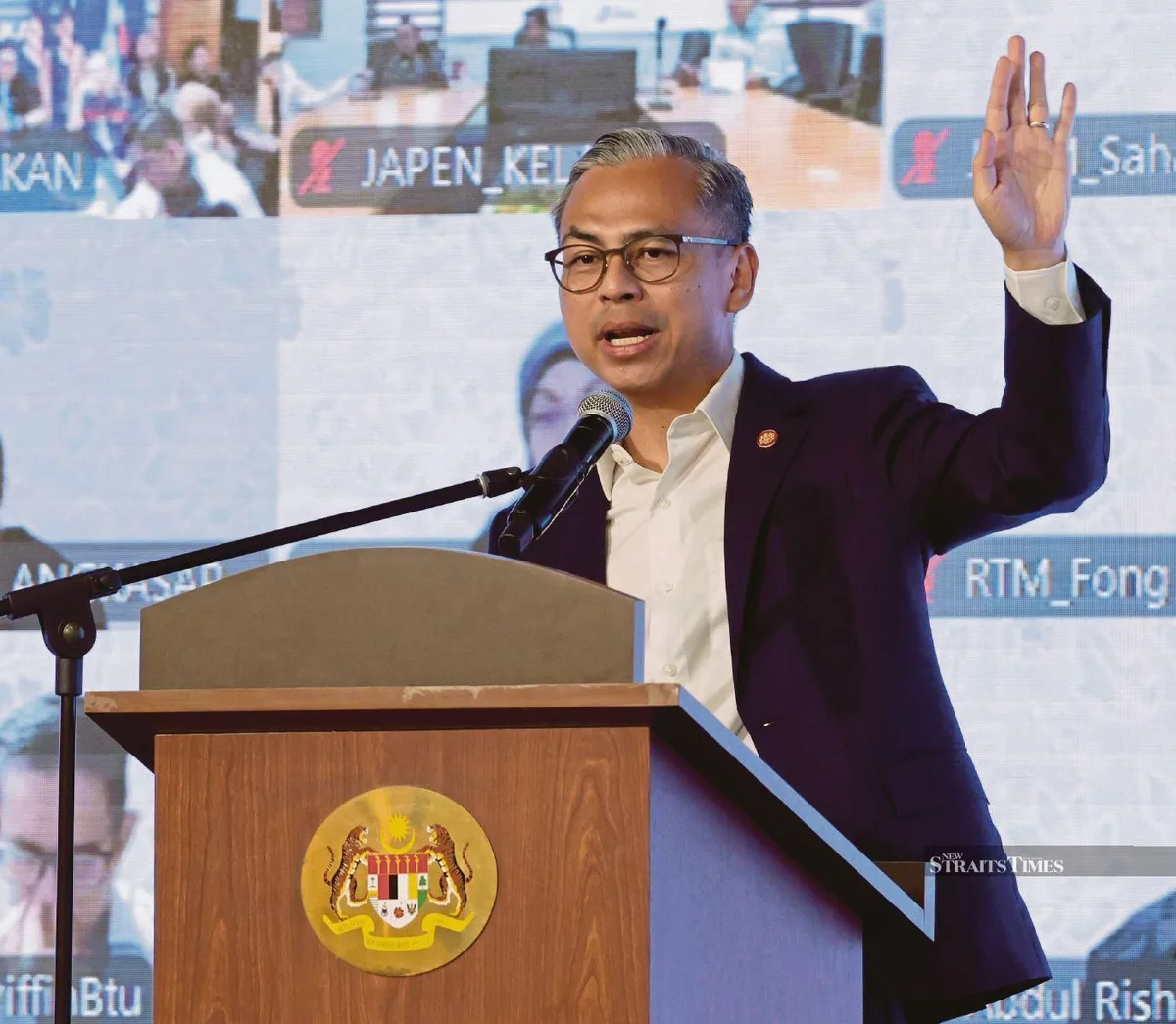
Communications Minister Datuk Seri Fahmi Fadzil stressed the need for economic growth to be tangible for the population. He said, "As the prime minister (Datuk Seri Anwar Ibrahim) has emphasised and many ministerial leaders have mentioned, large figures, if not translated, understood and enjoyed by the people, hold no meaning" [1]. Fahmi questioned whether the public feels the positive effects amid the headline GDP growth, adding, "如果这些亮眼数字无法转化为人民能够理解并享有的成果,那么这些数字就没有意义" (If these bright numbers cannot be translated into results that people understand and enjoy, then they have no meaning) [3].
His ministry, alongside JaPen, J-Kom, and communication units across government agencies, is charged with enhancing public understanding of economic policies and achievements [1, 3]. Fahmi also highlighted the need for clear communications regarding the Royal Commission of Inquiry report on Lembaga Tabung Haji, to reassure nearly 10 million depositors [1].
Deputy Finance Minister Datuk Seri Amir Hussain reported Malaysia’s H1 2026 GDP growth of 5.7%, reaffirming the country's stable economic fundamentals despite global uncertainties. He underscored that official forecasts remain unchanged as of July [4], noting, "虽然仍面对全球不确定性,但我国的经济基本面仍具韧性,今年首7个月令吉价值保持稳定" (Although global uncertainties remain, our economic fundamentals remain resilient, and the ringgit value has held steady in the first seven months) [4].
Malaysia's economic resilience is reflected in the ringgit's stable value, improved global competitiveness rankings, and Moody's maintenance of the sovereign credit rating at A3 with a stable outlook [4]. The government has implemented measures to alleviate living cost burdens, including increased compassionate aid funding and targeted fuel subsidies for 22 million Malaysians aged 18 and above, administered via the MyKad system [4].
The Communications and Multimedia Commission reported detecting over 10,000 social media accounts spreading racial, religious, and royal-related content, prompting calls for intensified countermeasures to maintain social harmony [3].
The next major update will occur as the government outlines its 2027 Budget plans, where officials are expected to elaborate on additional support measures to sustain economic growth and public welfare [4].