Malaysia's renewable energy installed capacity stood at nearly 32% as of June 2026, marking steady progress toward the government's 35% goal by 2030 [1, 2, 3]. The country had already reached 31% by December 2025, meeting that year's target ahead of schedule [1, 2, 3].
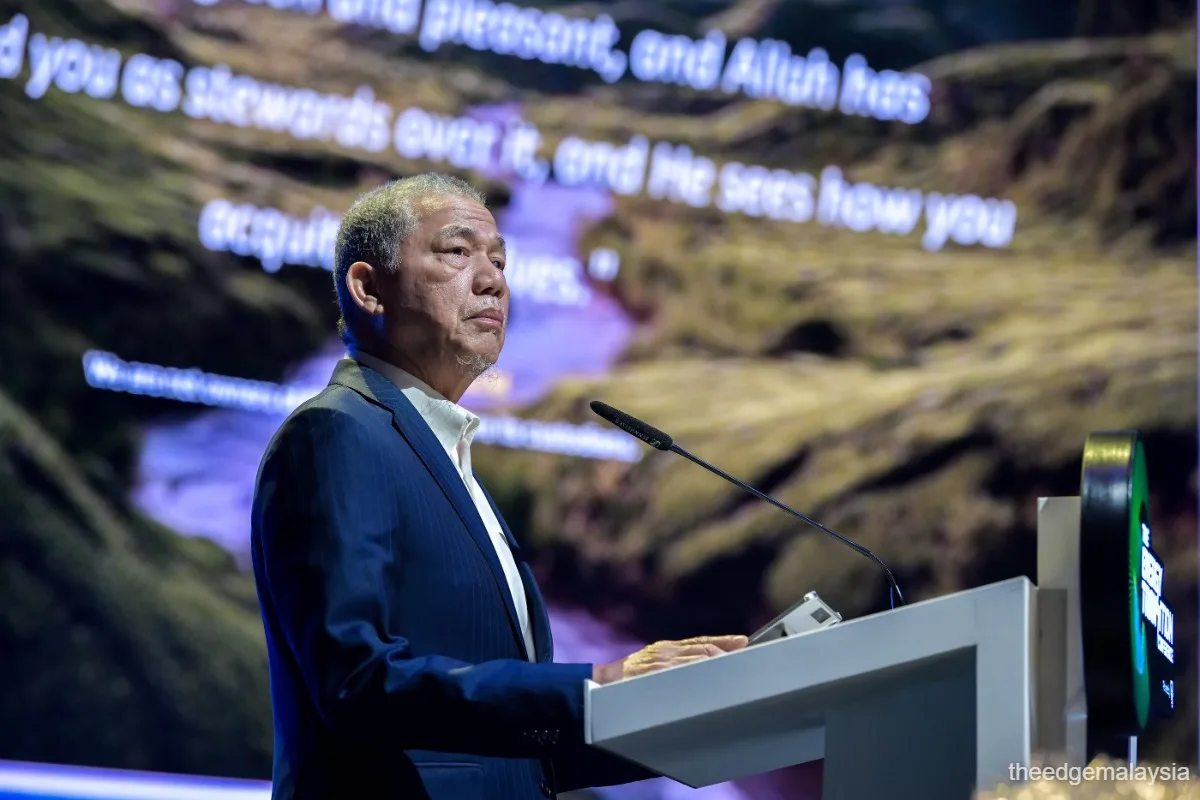
The National Energy Transition Roadmap (NETR) sets clear milestones, aiming for 35% renewable share by 2030 and scaling up to 70% by 2050 [1, 2, 3]. Datuk Seri Fadillah Yusof stressed that energy transition "is not an option. It is a strategic necessity to ensure our energy security, strengthen economic resilience, attract high-quality investments, and uphold Malaysia’s commitments to the global climate change agenda" [1]. He added that "through the NETR, the government has laid out a clear roadmap to transform the country’s energy sector" [2].
The launch of the Large-Scale Solar Project 5 (LSS5) in Pasir Mas, Kelantan, on July 23, 2026, signals strong investor confidence and collaboration between federal and state governments and the private sector [1, 2, 3]. The LSS5 project is expected to boost national electricity supply, create jobs, stimulate the local economy, foster support industries, and provide community benefits in Pasir Mas and across Kelantan [1, 2, 3].
Kelantan holds significant potential for expanding renewable energy capacity, particularly solar, due to ample suitable land and supportive policies. The state government encourages homeowners, mosques, places of worship, and commercial premises to join the Solar ATAP Programme to increase rooftop solar installations [2, 3]. Kelantan Menteri Besar Mohamad Nasiruddin described the LSS5 project as "a benchmark for renewable energy development in the state, reinforcing Kelantan as an investment destination for sustainable development, innovation, and green technology," aiming to attract more quality investments in the future [3]. The state commits to maintaining an investor-friendly, transparent environment focused on sustainability, safety, environmental protection, and community harmony [3].
Malaysia’s efforts continue to reflect a strategic push towards clean energy, balancing energy security with climate commitments. The next major milestone will be reaching the 35% renewable energy capacity target by 2030 as defined under the NETR [1, 2, 3].