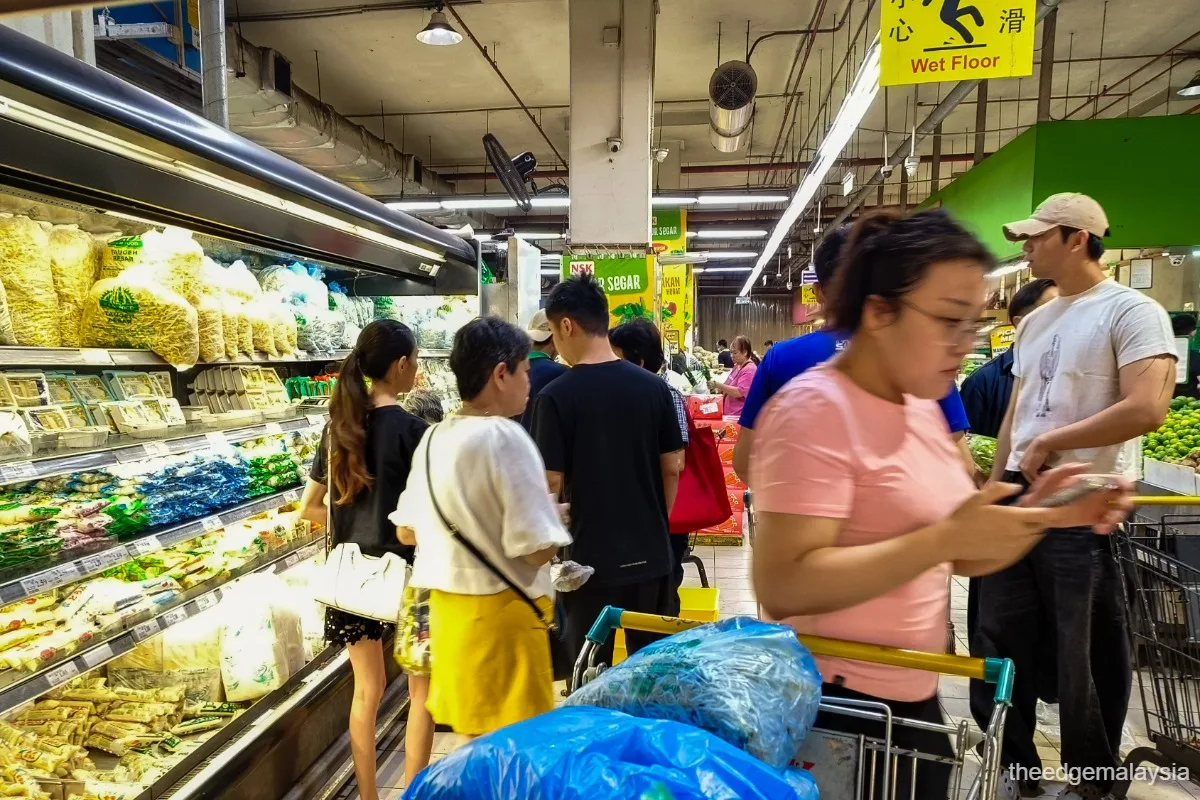
Malaysia's wholesale and retail trade sales reached RM174.8 billion in April 2026, a 15.3% increase compared to April 2025, marking the highest growth since September 2022 [1, 2]. Retail trade sales grew 6.3% year-on-year to RM71 billion, boosted by hypermarkets, mini markets, convenience stores, and specialty stores covering clothing, pets, and automotive fuel [1, 2].
Wholesale trade sales climbed 24.1% year-on-year to RM83.5 billion, driven mainly by higher petroleum prices linked to global supply disruptions and geopolitical tensions, as well as increased sales of construction materials and hardware [1, 2]. Motor vehicle sales rose 15.5% to RM20.4 billion amid stronger sales of vehicles, parts, accessories, and maintenance services [1, 2]. Wholesale and retail trade volume in April increased by 6.2% year-on-year, with a modest 0.4% rise month-on-month, lagging behind the sales value growth [1, 2].
Earlier in 2026, Malaysia's retail sales grew 3.7% in the first quarter compared with the year-earlier period, falling short of the 4.4% forecast by retailers [3]. This softer retail performance may indicate a normalization after the surge in consumer spending during festive seasons such as Chinese New Year in February and Hari Raya Aidilfitri in March [3].
Kenanga Investment Bank reported that distributive trade growth accelerated to 9.4% in the first quarter from 7.5% in the prior quarter, supported by wholesale stockpiling, rising petroleum prices, and motor vehicle sales recovery [4]. The bank expects overall distributive trade growth in 2026 to reach 6.1%, up from 5.6% in 2025, but cautioned that the current strength is likely temporary and may not be sustainable in coming months. "This points to front-loaded demand amid concerns over rising cost pressures and supply uncertainties," Kenanga said [4].
Kenanga also maintained Malaysia’s overall GDP growth forecast at 4.5% for 2026, down from 5.2% in 2025, reflecting ongoing challenges from geopolitical tensions and supply chain disruptions [4].
On June 12, Kenanga IB released an updated forecast and analysis that highlighted risks to second-half 2026 growth from these external factors [4]. The coming months will reveal whether the wholesale and retail trade sectors can maintain their strong momentum.