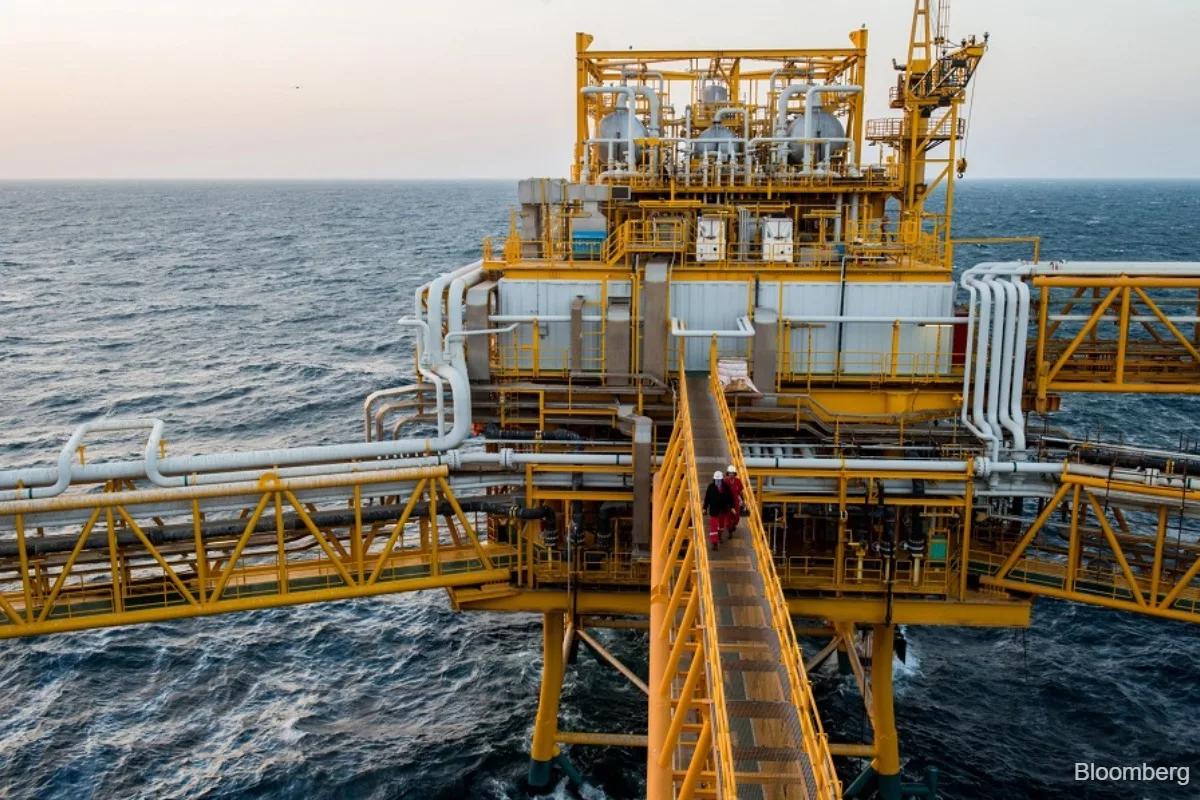
Malaysia's government has guaranteed a secure and sufficient petroleum supply from July 2026 through December 2026 following disruptions in the Strait of Hormuz that began on February 28, 2026 [1, 2, 3, 4]. As of June 2026, domestic oil and fuel supplies remained stable and adequate to meet local demand despite global constraints [1, 2, 3, 4].
Brent crude oil prices peaked at US$144.50 per barrel in early April 2026 before falling to US$99.29 per barrel during the first week of June [1, 2, 3, 4]. To manage risks related to ongoing physical supply constraints and declining global inventories, the government adopted a phased, proactive approach that includes diversifying import sources, optimizing domestic production via biodiesel, and securing long-term supply agreements [1, 2, 3, 4]. Energy Minister Datuk Seri Hamzah Zainudin said, "The government is not taking the situation lightly, as physical supply constraints and declining global inventories persist" [1].
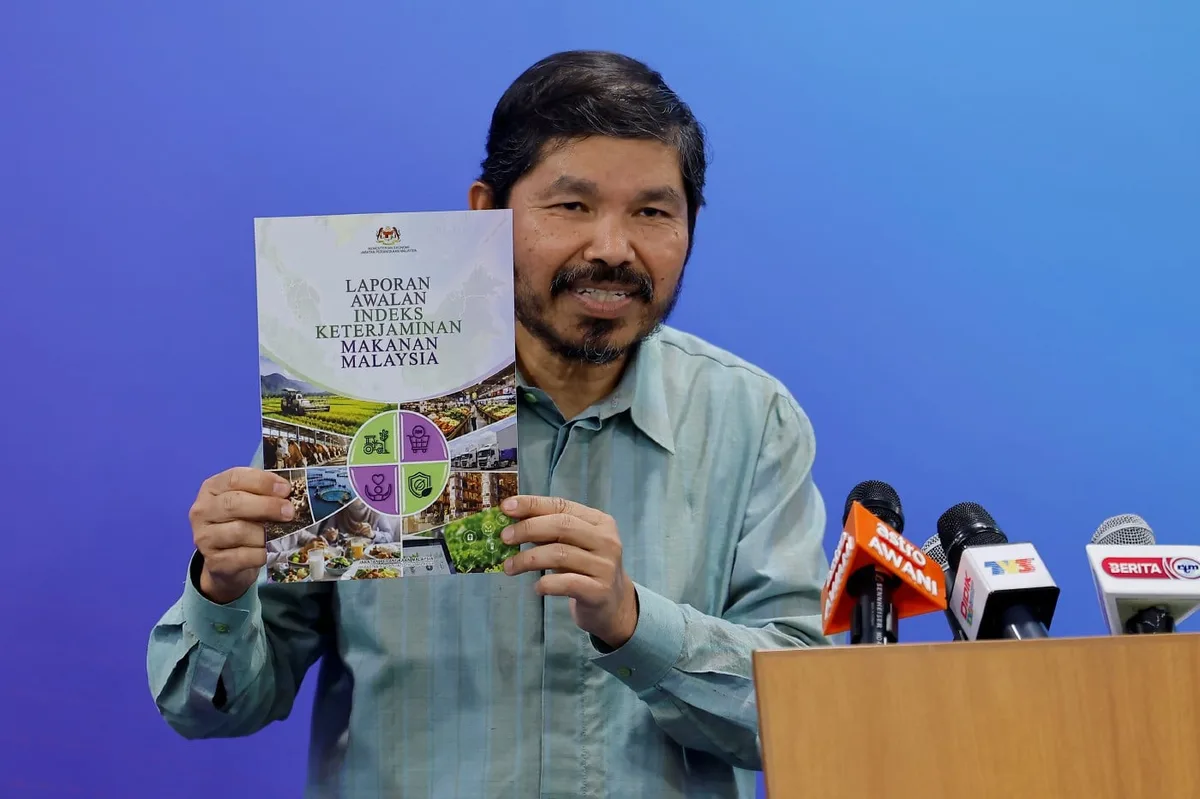
Alongside energy security, Malaysia has improved its Food Security Index to 61.5 in 2024 from 54.5 in 2023, signaling progress in safeguarding food supplies [5, 6, 7]. The index scores highest in accessibility at 79.9, followed by stability at 54.6, usability at 50.4, and availability at 50.0 [5, 6, 7]. Despite no major issues securing food through imports, experts note that domestic food production availability needs significant strengthening [5, 6, 7]. Datuk Seri Dr. Mohd Uzir Mahidin stressed the need to focus on agricultural development, saying, "This is why the future economic focus needs to emphasise strengthening the agricultural sector. I expect that this measure will further enhance the country’s Food Security Index" [6]. Government programs expanding modern agricultural technologies, like IoT and drones, support this goal [5, 6].
Financial steps have also been taken to aid citizens amid global economic uncertainties. Since July 1, 2026, the RM1 fee on interbank ATM cash withdrawals has been removed nationwide, covering more than 14,000 ATMs [8, 9, 10]. The banking sector introduced basic credit cards with financing rates capped at 14% annually, down from the previous 18%, and lower credit limits to encourage responsible borrowing [8, 9, 10]. Targeted assistance supports borrowers and micro, small, and medium enterprises affected by conflicts and economic strains in West Asia [8, 9, 10]. Prime Minister Datuk Seri Anwar Ibrahim stated, "In a situation where the people and MSMEs are facing cost pressures and cash flow challenges, financial institutions play an important role in helping their customers with prudent, responsive and compassionate solutions" [10].
On August 7, at the National Climate Change Action Council Meeting, Prime Minister Anwar emphasized closer federal-state cooperation for climate policy, saying inclusive engagement aligns with constitutional roles and jurisdiction [11]. He noted, "I also stressed the importance of a more comprehensive engagement with state governments so that every policy and strategy is formulated inclusively, in line with the spirit of the Federal Constitution and respecting the jurisdiction and role of the states" [11].