Malaysia paid about RM571.9 million—95% of the €124 million contract—for Naval Strike Missiles (NSM) procured from Norway since 2018 [1, 2, 3, 4, 5]. In May 2026, Norway revoked the export licence for the NSM system, citing national security and tightened controls on sensitive defence technology [1, 6].
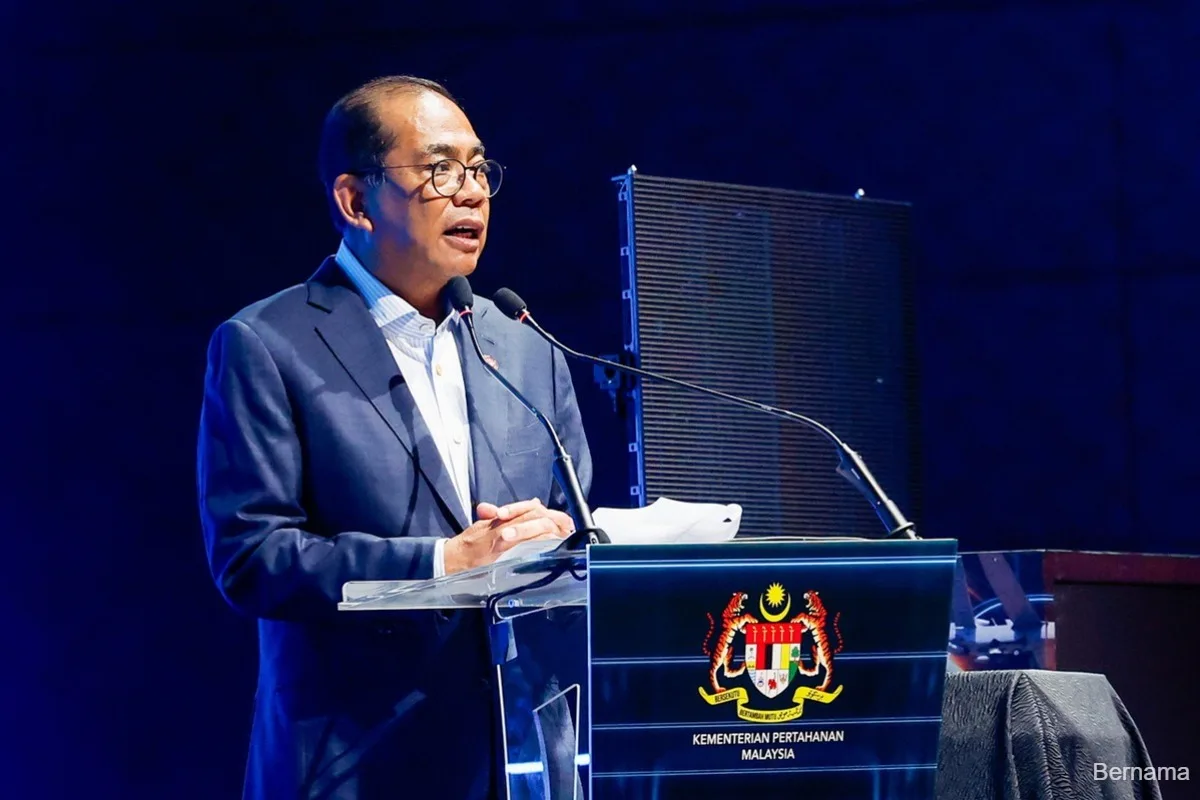
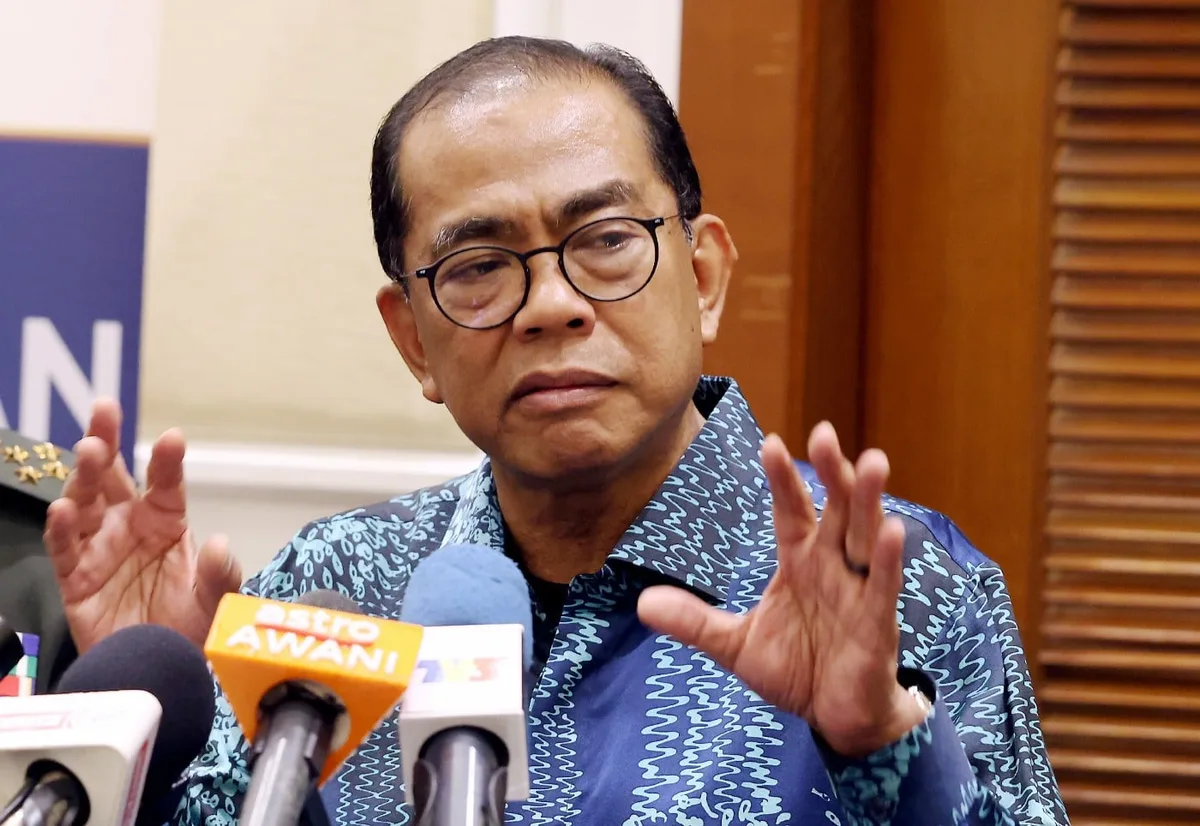
Defence Minister Datuk Seri Mohamed Khaled Nordin said Malaysia is invoking contractual clauses to seek recovery of payments and related damages caused by the cancellation of missile deliveries. "The ministry is utilising the provisions available under the contract to protect the government’s interests, including submitting claims to recover the payment made, as well as related damages," he stated [1]. At payment time, the missiles were fully manufactured, passed Royal Malaysian Navy tests, and were ready for delivery—not an advance or premature payment, the minister added [2].
The contract includes provisions protecting Malaysia’s interests if the supplier fails to perform [1, 2, 4, 5]. The licence revocation was outside Malaysia’s and the supplier’s control [2, 4, 5]. Despite the cancellation, Khaled said the revocation "does not affect the planned delivery schedule of the LCS project" [7]. The first Littoral Combat Ship (LCS) delivery remains scheduled for the end of 2026 [6].
Malaysia is currently evaluating alternative missile systems to replace the NSM for the LCS fleet [7, 3, 4, 5]. Admiral Tan Sri Zulhelmy Ithnain noted that while missile trials cannot proceed without the NSM, sea trials for all other systems are underway and the ship can still perform multiple operational roles, including helicopter operations and anti-submarine warfare [6]. However, due to production and delivery timetables, any replacement missile is unlikely to be ready by the LCS delivery date at year-end [6].
In response to the disruption, Malaysia is implementing measures such as life extension of existing assets, diversifying defence procurement sources, strengthening defence diplomacy, and promoting local defence industry capabilities [7, 3, 4]. Officials acknowledge the risks of relying on a single supplier for critical defence systems. Future acquisitions will prioritize government-to-government procurement to reduce risks of unilateral supply interruptions [7, 3].
The timeline began with Norway contract signing and payments from 2018. The export licence was revoked in May 2026. On July 1, 2026, Malaysia’s Defence Minister addressed recovery claims and reassured Parliament on the LCS project progress [1, 7, 2, 3, 4, 5]. The next milestone is the scheduled delivery of the first LCS by the end of 2026 [6].