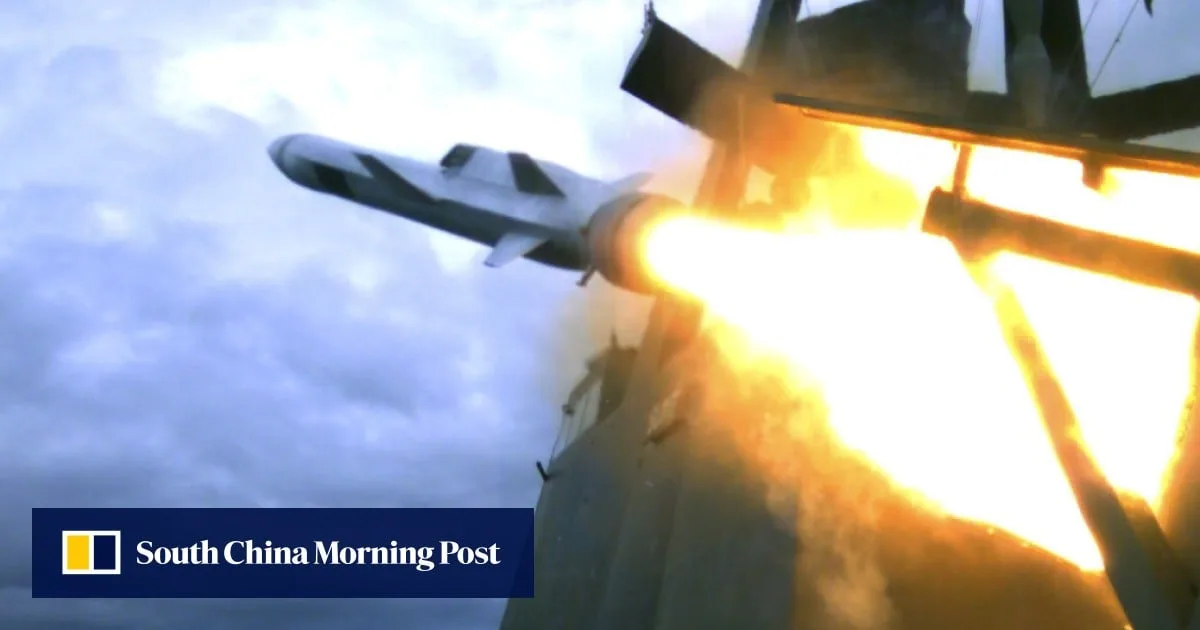
The Malaysian Ministry of Defence (Mindef) has shortlisted four countries as potential suppliers of anti-ship missiles to replace Norway’s Naval Strike Missile (NSM) for its Littoral Combat Ship (LCS) program. The selection follows the Norwegian government’s revocation of the NSM export licence citing national security concerns on June 28, 2026 [1, 2].
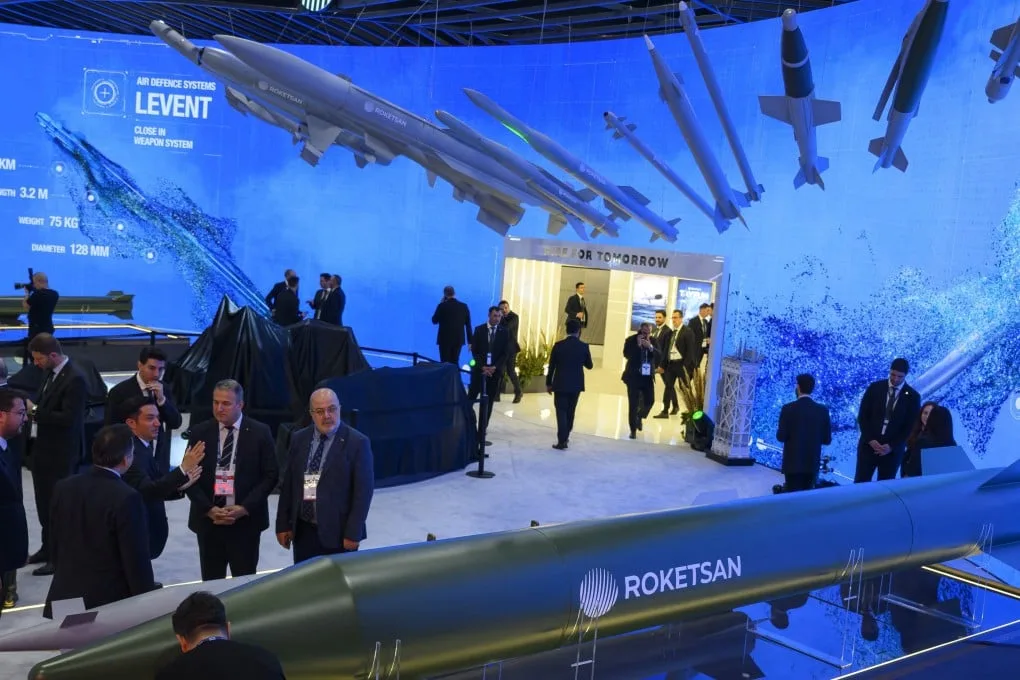
Among the shortlisted countries are Türkiye, South Korea, and two unspecified European nations [1, 3, 4, 2]. Mindef is evaluating candidates based on several factors, including full interoperability with the LCS’s existing French-built Combat Management System (CMS), the delivery timeline, missile capabilities comparable to the NSM, and cost [1, 3, 4, 2].
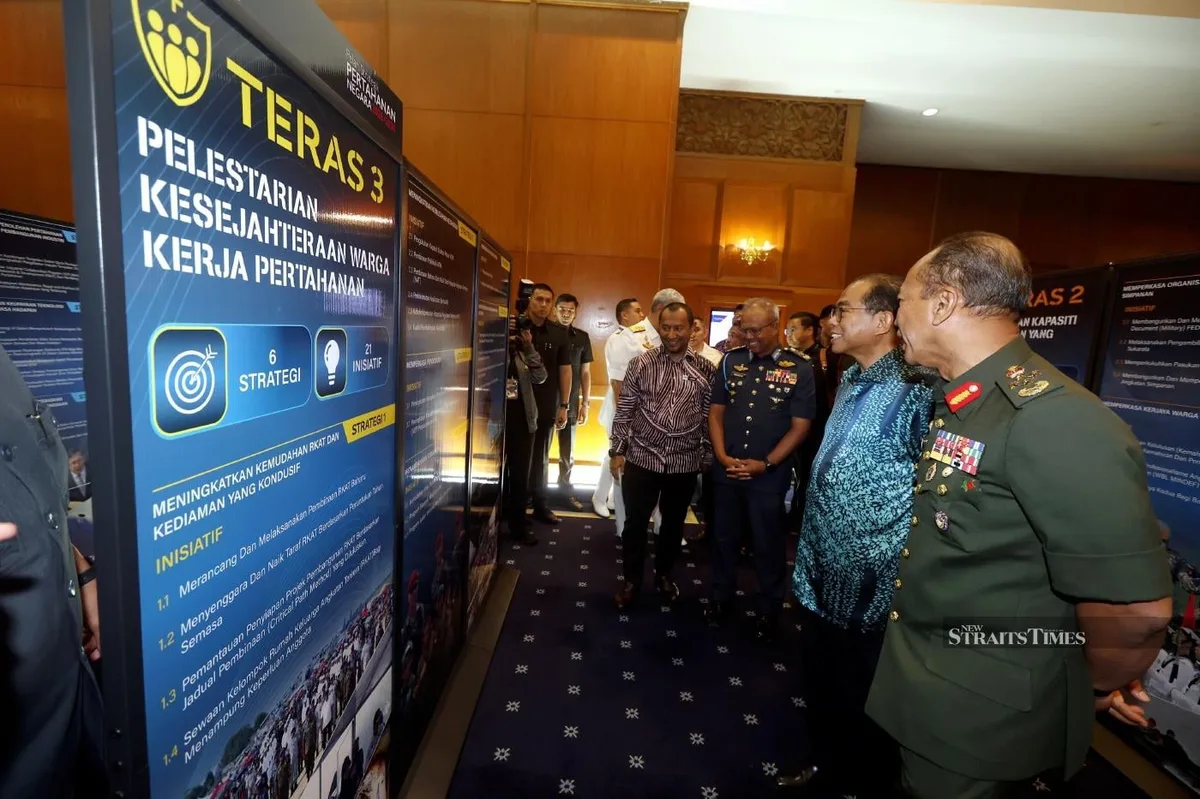
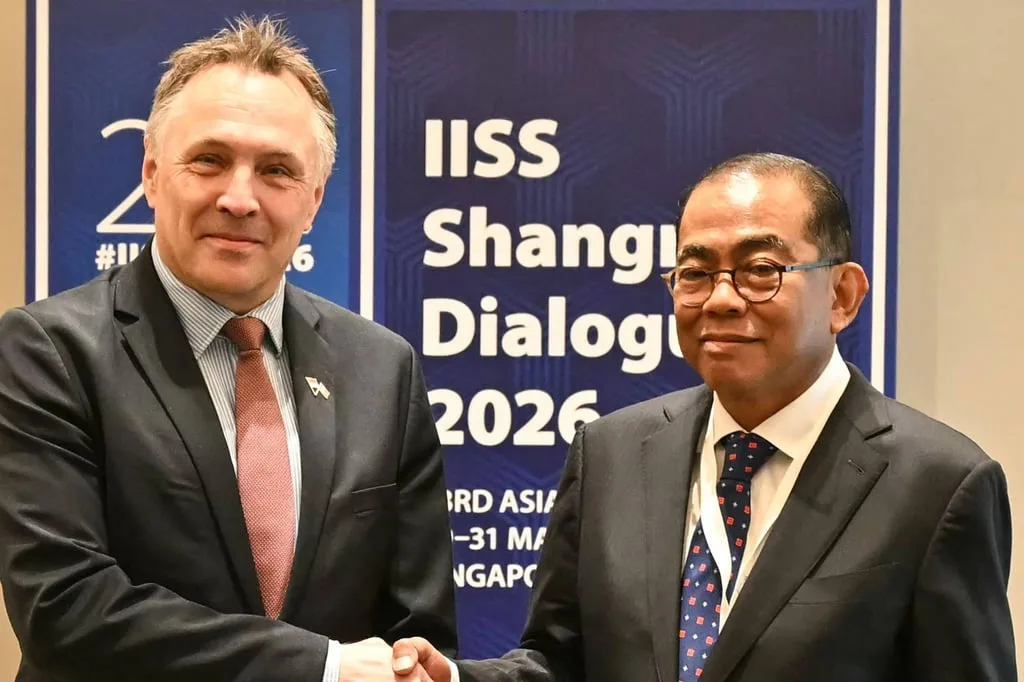
Defence Minister Datuk Seri Mohamed Khaled Nordin emphasized the importance of integration, stating, "We must evaluate whether the replacement missile can be integrated with the LCS’s French-built Combat Management System (CMS). It must be fully interoperable with the existing system" [2].
The ministry is particularly scrutinizing delivery schedules because some suppliers' missile systems are still in development. Khaled Nordin said, "We want to know who can supply the missiles earliest. Some are still developing their systems, but if the delivery timeline takes up to eight years, that is not a viable option for us" [2]. He reiterated, "If they can supply it, but it takes eight years, that is not a strength. We want to see who can deliver within one, two, or three years" [4]. Delivery timelines extending beyond three years are considered unacceptably long by Mindef [1, 4, 2].
The original NSM contract was signed in April 2018 between the Royal Malaysian Navy and Kongsberg Defence & Aerospace (KDA) for about €124 million (RM571.9 million) to arm six Maharaja Lela-class LCSs. The missiles were intended to provide mid-to-long-range strike capability [3, 4].
Following the cancellation of the NSM export licence, Mindef filed a RM1 billion claim against the relevant defence firm [1, 2]. Analysts note that access to advanced arms often depends on supplier-country politics as much as contract terms [3].
Malaysia’s next step involves final assessments of the shortlisted suppliers’ ability to meet the technical and delivery requirements. Mindef aims to select a vendor that can deliver replacement missiles within one to three years to maintain the LCS’s operational readiness [1, 4, 2].