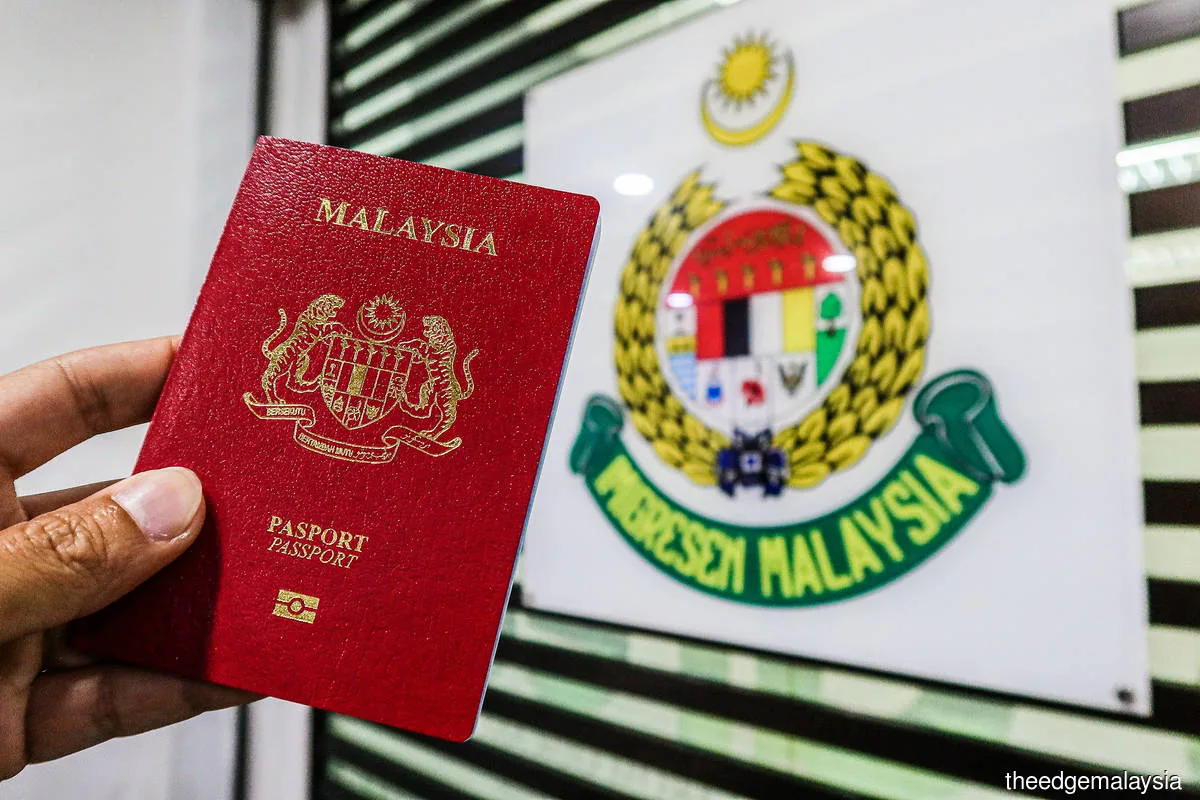
Malaysia's Immigration Department has suspended the validity of Malaysian International Passports (PMA) with validity periods exceeding 10 years effective August 12, 2026, citing difficulties experienced by travelers during airline check-ins abroad [1, 2, 3]. The department capped the maximum validity period for these passports at 10 years until the issue is resolved with airlines and the International Civil Aviation Organization (ICAO) [1, 4, 2, 3].
About 38,000 ten-year passports have been issued since the 10-year passport option was introduced on July 1, 2026, with around 26,000 comprising passports whose validity exceeded 10 years by carrying forward remaining validity from old passports, a practice now discontinued [2, 3, 5, 6]. Under the updated policy, no remaining validity from old passports (which could be up to six months) will be added to new 10-year passports to ensure the validity does not exceed 10 years [1, 2, 3].
Datuk Zakaria Shaaban, the Immigration Director General, said the issue stems from limitations in airline check-in systems that cap passports at 10 years, despite passports exceeding 10 years validity conforming to ICAO standards and being accepted by immigration systems [1, 2, 3]. He explained, "From the ICAO perspective and aviation standards, there is no issue... but the airlines have a problem" [2].
The Immigration Department has notified all airlines to assist affected Malaysians traveling abroad. Holders of passports exceeding 10 years are eligible for priority free replacements [1, 2, 3]. The 10-year passport costs RM350, while the 5-year passport remains RM200 [3].
Public criticism arose from Kepong MP Lim Lip Eng and others, who called for an independent audit on the handling and costs related to the 10-year passport policy and its suspension. Lim criticized the government for what he called "a serious failure in planning and testing" and questioned who approved the original policy allowing passports to exceed 10 years by carrying forward remaining validity [4, 5, 6]. He said, "If passports exceeding 10 years comply with ICAO, there should be no need to suspend and replace them" and demanded transparency on the full replacement cost [4].
Lim also stated in Mandarin, "The Immigration Director said this does not violate ICAO standards. Technically, that may be true, but citizens want passports that will not cause problems when traveling. If more than 10 years was really no problem, why suddenly suspend and replace them?" [6].
The main disagreement lies in that although passports longer than 10 years meet ICAO standards and are accepted by immigration, airline systems restrict validities to 10 years, causing the practical travel issues leading to the suspension [1, 2, 3, 4, 5, 6]. The government aims to resolve these issues with airlines and international bodies.
The Immigration Department continues to prioritize replacing affected passports free of charge and coordinate with airlines to assist travelers while reviewing the policy for future implementation [1, 2, 3].