Malaysia will be affected by disruptions at the Strait of Hormuz but less severely than countries heavily reliant on oil imports, officials said today in Perak.
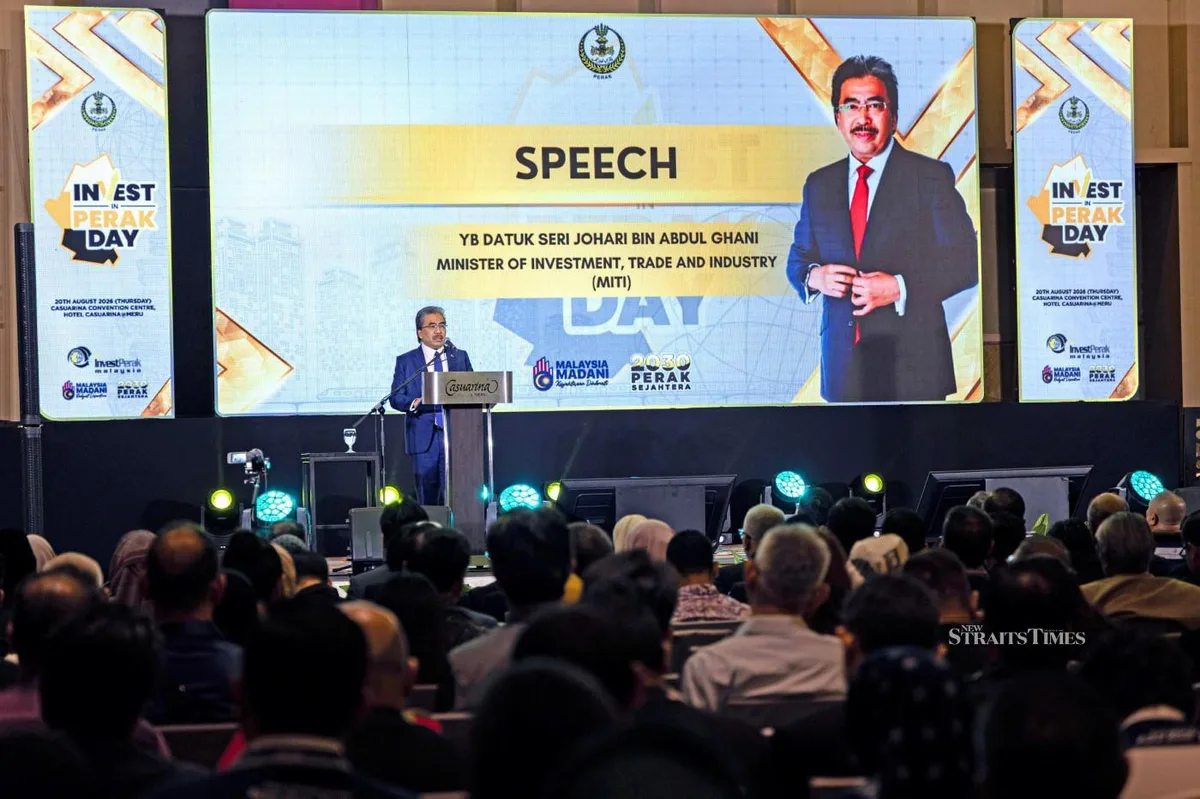
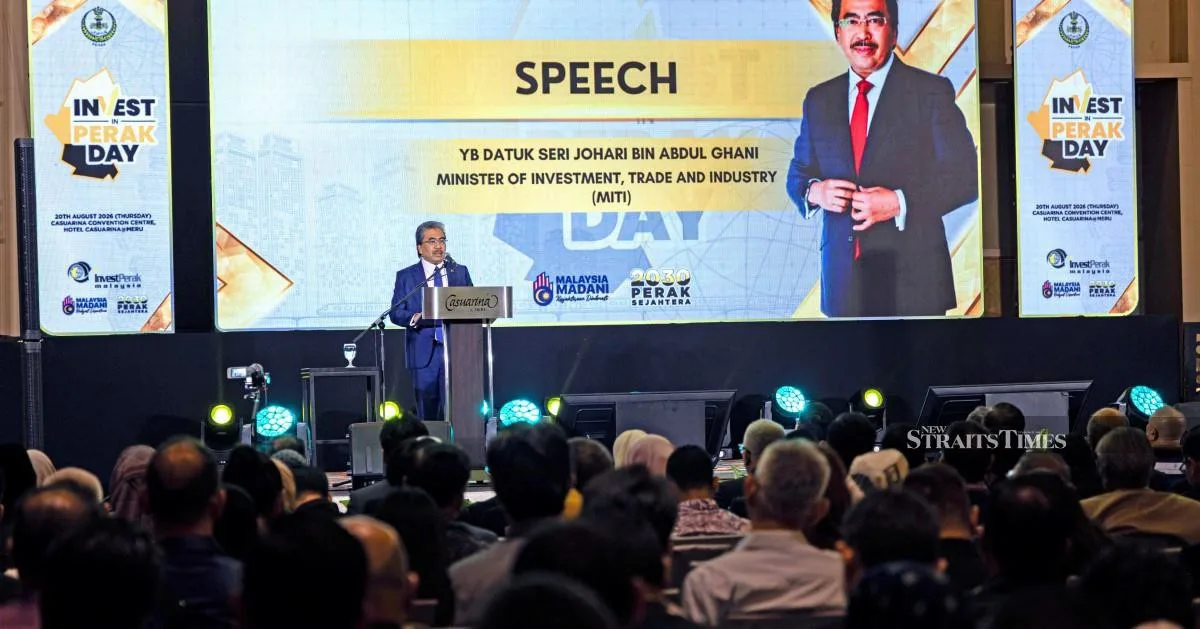
Investment, Trade and Industry Minister Datuk Seri Johari Abdul Ghani addressed the issue after attending Invest in Perak Day 2026. He noted Malaysia is a net importer of oil but a net exporter of gas including liquefied natural gas (LNG), which cushions the economy from supply shocks. "We will be affected just as other countries are affected, but not to the same extent as countries that do not have oil and gas," he said [1].
The Strait of Hormuz is a vital chokepoint for energy shipments. About 20% of the world’s oil passes through the waterway, linking it directly to global energy markets [2]. Conflict and tension involving the US, Iran, and Israel since February have caused instability in this route, heightening concerns about energy security [3, 2, 4].
Datuk Seri Johari emphasized that disruptions in the Strait impact the energy sector, which then ripple through all industries. "Actually, the Strait of Hormuz is more related to the energy sector. When the energy sector is affected, all industries will be affected," he said [3].
The situation escalated on August 18 when former US President Donald Trump posted a map on Truth Social declaring the Strait of Hormuz as "NEW U.S. Territory," renewing claims over the strategic waterway [3, 5, 4].
Malaysia’s status as a net gas exporter, particularly in LNG, provides a buffer compared with nations that rely heavily on importing oil and gas or lack resources altogether [1, 3, 5, 2, 4]. While the country remains connected to global energy markets, the dual role as oil importer and gas exporter allows it to absorb shocks more effectively.
Officials will continue monitoring developments closely as geopolitical tensions persist, recognizing the Strait’s critical role in global energy flows and Malaysia’s ongoing trade and industrial interests. The government’s next assessments are expected after further geopolitical developments and energy market shifts.