Tenaga Nasional Bhd (TNB) supplied electricity to 36 operating data centres with a total planned capacity of about 4.5 gigawatts as of the first quarter of 2026. It is also meeting demand for 23 data centres under construction, supporting up to 3.8 gigawatts of additional capacity [1, 2]. Malaysia’s peak power demand is forecast to rise from 21.3 gigawatts in 2026 to 33.5 gigawatts by 2035, driven largely by data centres and high-tech industries. Electricity usage by data centres is expected to jump from 7% to 31% of total demand in that period, reaching 73,274 gigawatt-hours [1, 2]. The government has committed to a cleaner electricity supply mix by 2050, targeting 70% clean energy including 58% renewables, 10% hydrogen, and 2% nuclear power [1, 2]. It has also allocated RM43 billion in capital expenditure for TNB under an Incentive-Based Regulation framework through 2027 to support renewable integration [1, 2].
As of end May 2026, Malaysia installed 6,416 public electric vehicle chargers nationwide, including 2,143 DC fast chargers and 4,273 AC chargers. The government introduced EV charging bay guidelines reducing permit approval times to as few as 14 working days. Efforts to boost local EV technology include developing battery, motor, and advanced driver assistance systems manufacturing. The Federation of Motor and Credit Companies Associations of Malaysia (FMCCAM) urged incentives for used car dealers to install EV chargers and become EV service centers, addressing range anxiety. FMCCAM president Datuk Tony Khor Chong Boon said, “These premises could evolve into full-scale EV service centres, offering a one-stop solution that includes sales, battery health checks, charging and dedicated after-sales support.” [3, 4, 5]
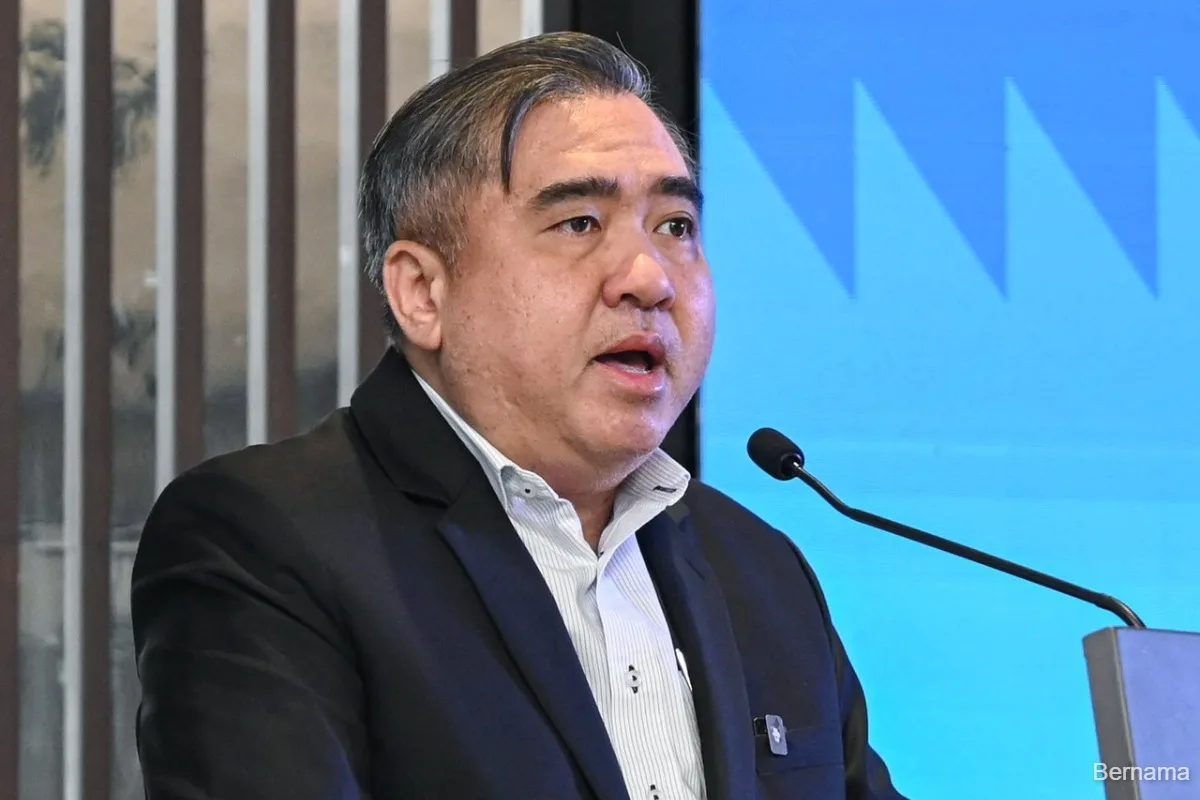
Malaysia Airports Holdings Bhd and Mitsui Fudosan Group began development of a RM80 million air cargo logistics complex in Subang Aerotech Park on July 9. The new facility will have about 254,420 square feet of gross floor area and aims to support growth in aviation and aerospace sectors. MAHB holds 30% of the project while Mitsui holds 70%. Transport Minister Anthony Loke noted Mitsui’s experience in Japan, including logistics complexes at Haneda Airport, will help minimize risks for MAHB [6]. He said Malaysia is expanding cargo capacities at key airports to position Kuala Lumpur International Airport as ASEAN’s regional air cargo hub [6].
On the 1MDB scandal, Malaysia had paid RM42.5 billion of its debts as of June 30, 2026, and recovered RM31.3 billion from assets linked to the case. Nonetheless, about RM20.1 billion in net outstanding liabilities remain. Deputy Finance Minister Liew Chin Tong said it is unlikely future recoveries will cover these liabilities in full. “Therefore, the government is expected to bear the majority of the outstanding net liabilities, estimated at RM20.1 billion,” he said in Parliament on July 9, addressing claims of 2025 settlement talks with businessman Jho Low, who remains a fugitive [7, 8, 9, 10].
Budget 2027 will focus on sustainable and inclusive economic growth aligned with the Madani Economy Framework. Priorities include fiscal sustainability, social protection, subsidy reforms, and digitalization with an emphasis on artificial intelligence [11].