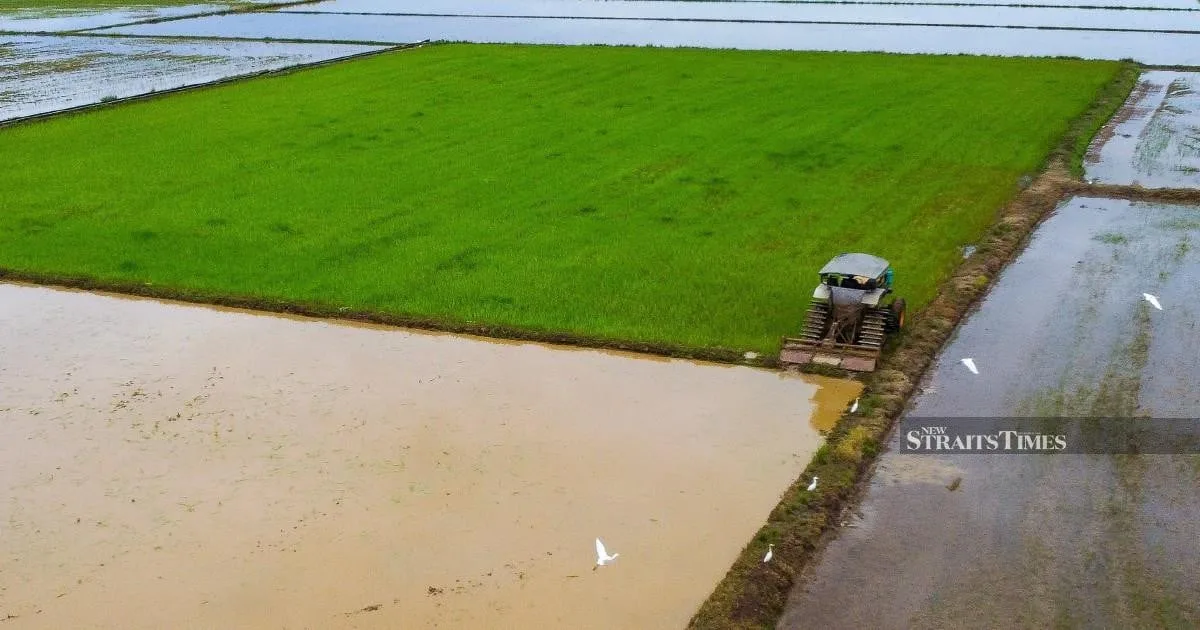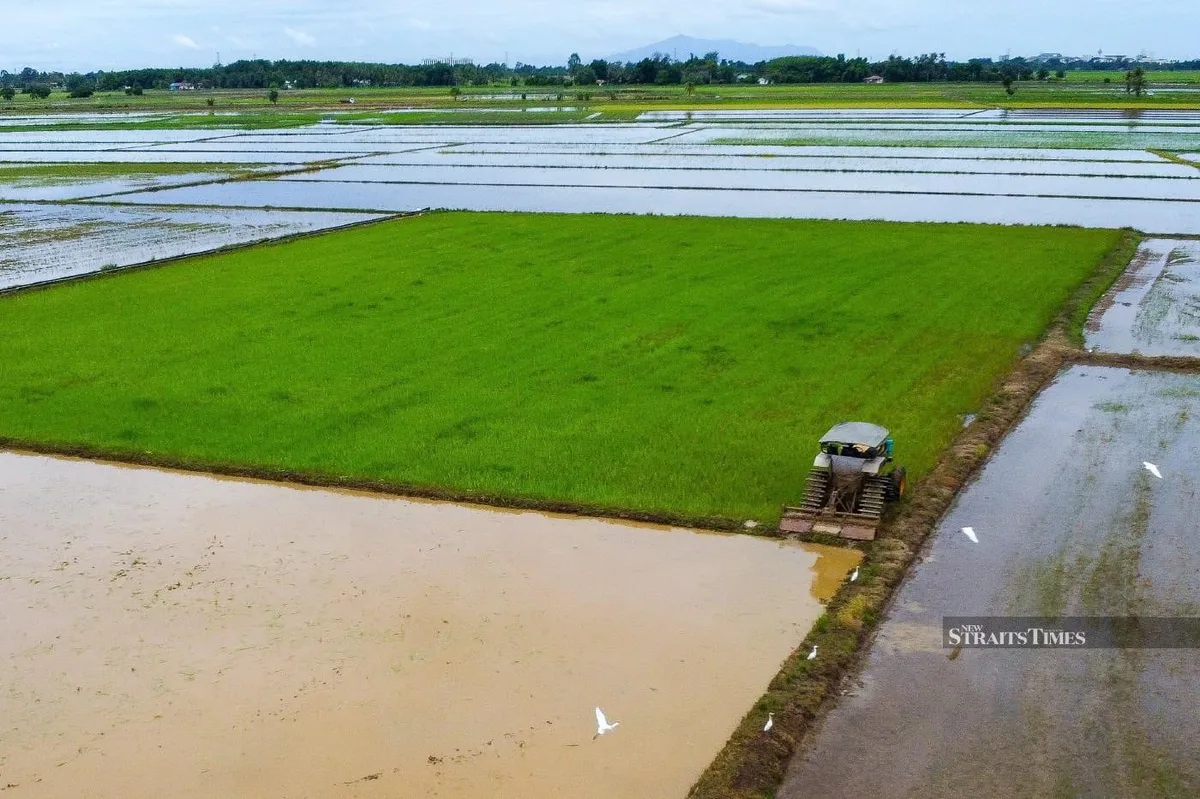
Most elderly and inactive paddy farmers in Malaysia have been informally leasing their fields to foreigners without written agreements or official permission, Agriculture Department inspections found [1, 2]. This arrangement, known locally as "Ali Baba," involves the license or right holder lending their status to another party who operates or benefits from the land [1, 2].
The Agriculture Department uncovered this trend during random inspections conducted after farmers received assistance from the Agriculture and Food Security Ministry [1, 2]. Johari Abdullah, deputy director-general of the Agriculture Department for Industrial Development and Extension, said, "The department has detected a trend where landowners, especially veterans or those no longer active in farming, rent out or lease their plots to foreigners informally. While this ensures that paddy fields continue to be cultivated, it requires close monitoring so it does not affect the industry's existing structure in the long run" [2].
Due to land matters falling under state government jurisdiction, there is no comprehensive data on the total land area or number of farmers involved in these informal leases [1, 2]. Currently, authorities see no solid evidence that foreigners have fully taken over local paddy farming operations [1, 2]. The increased involvement of foreign workers is mainly driven by labor shortages and a declining interest among locals in agricultural work, which is viewed as dirty, dangerous, and difficult [2].
The informal leasing arrangement helps keep paddy fields cultivated rather than lying idle, maintaining production despite the workforce challenges [1, 2]. The Agriculture Department is pushing for tighter monitoring and new guidelines on leasing land to foreign workers to protect the existing industry structure [1, 2].
Efforts are in progress to reduce reliance on foreign labor through mechanisation, automation, and encouraging more youth participation in farming [2]. The Agriculture Department continues to watch this issue closely as the sector adapts to labor and demographic pressures.
The Agriculture Department reported these findings publicly in late May after its random inspections brought the issue to light, marking the first formal acknowledgment of the extent of informal leasing arrangements [2].