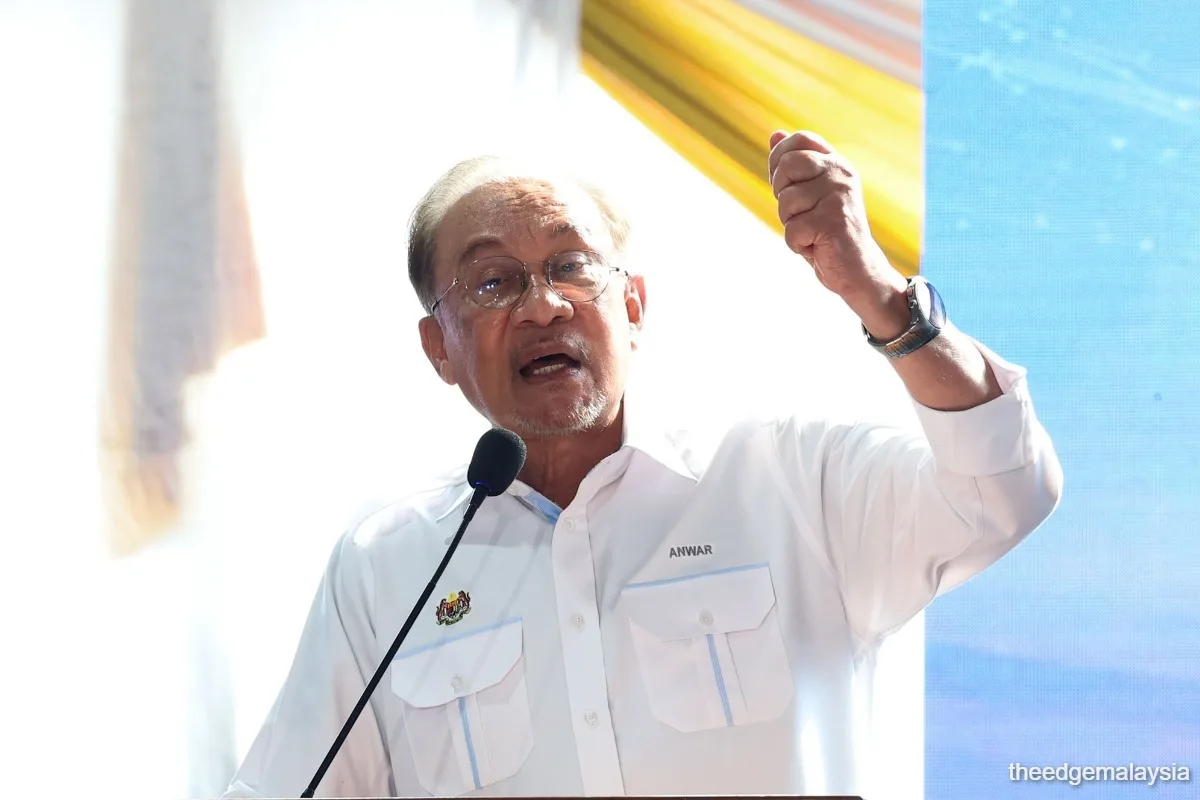
The Malaysian government will repeal the Universities and University Colleges Act 1971 (AUKU) to provide greater freedom and a wider democratic space for students, Prime Minister Datuk Seri Anwar Ibrahim announced today at the 2026 PKR National Congress held at Melaka International Trade Centre (MITC) [1, 2, 3, 4].
The decision came after student leaders submitted a memorandum and gave feedback calling for comprehensive reforms to AUKU, which has been amended several times since its enactment but continued to face criticism from students dissatisfied with restrictions on political and democratic activities [1, 2, 3, 5, 6, 7, 8]. "Students feel they should be given more freedom. We have given them more freedom through several amendments to AUKU, but some are still not satisfied. They submitted a memorandum, so today I want to announce that we will repeal AUKU," said Anwar Ibrahim [1].
First enacted on April 30, 1971, AUKU was originally designed to govern the establishment and administration of public universities. Over time, it evolved to impose limits on student political engagement and activity [8]. Several past amendments aimed to expand student freedom, but the law remained a point of contention among student activists [2, 8].
The government plans to replace AUKU with a new, more comprehensive, and progressive higher education legislative framework that aligns with education reform goals. This new legislation aims to strengthen university autonomy and academic freedom [9, 10]. It is part of the Malaysia Higher Education Plan 2026–2035 and the One Higher Education Act agenda, which was launched in January 2026 to reform the sector [9, 10].
Deputy Higher Education Minister Adam Adli Abd Halim called the repeal a major sign of the government's commitment to reform and a long-awaited victory for the student movement. He expressed gratitude to those who stood with the cause despite difficulties, saying, "I just remember the faces of those who stood with us. Those who were afraid, but still showed up. Those who were punished, but still spoke out. Thank you, Prime Minister (Datuk Seri Anwar Ibrahim)" [5, 6].
PKR Youth chief Muhammad Kamil Abdul Munim noted that abolishing AUKU restores freedom and democratic space for students, recognizing decades of activism. He said, "Students must be trusted to think, debate, hold differing views, criticise and offer solutions for the country" [7].
Youth NGO Mandiri and the student group Umany urged the government to include all stakeholders in drafting the new law and warned against replicating restrictions under new forms. Mandiri coordinator Hamdin Nordin emphasized the need to restore student autonomy and academic freedom, while Umany stressed involving student organisations, academics, university staff, and civil society meaningfully throughout the process [11, 12].
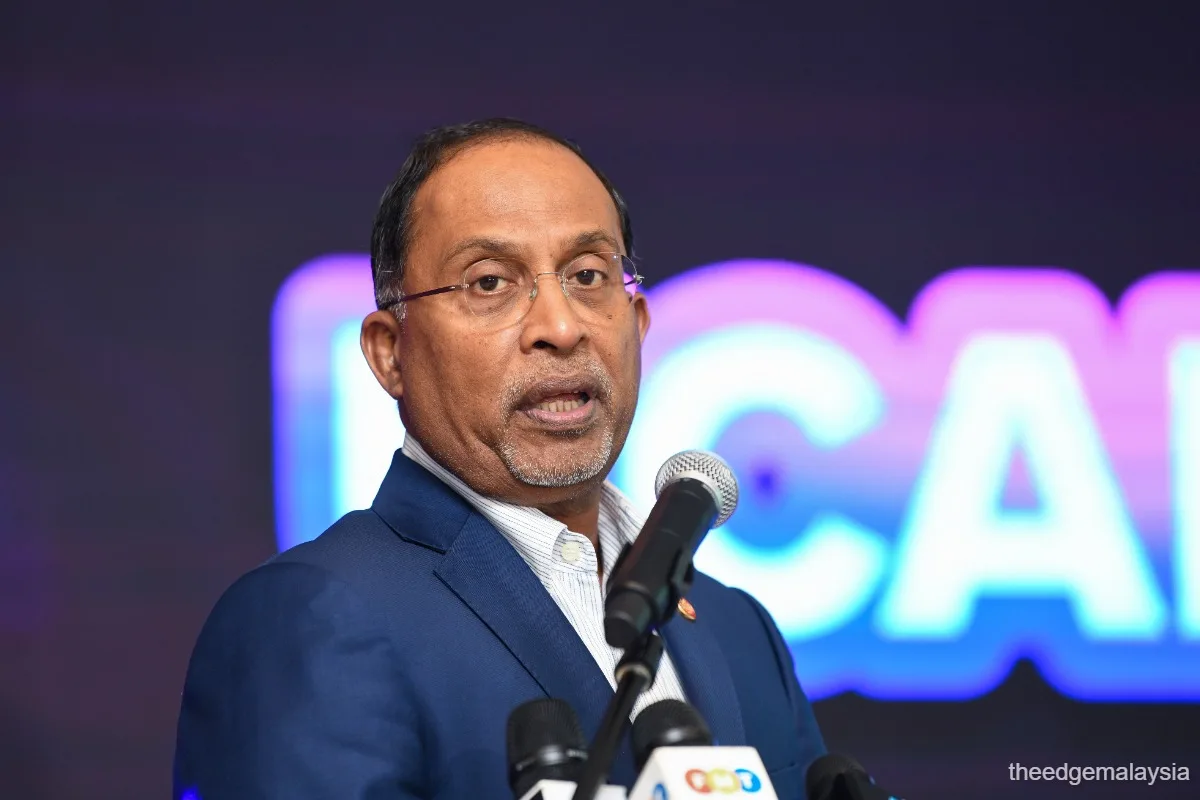
Higher Education Minister Datuk Seri Dr Zambry Abd Kadir highlighted that AUKU is the parent legislation for university governance, not just student affairs, underscoring the extensive impact the repeal will have on higher education administration [10].
Prime Minister Anwar confirmed he will bring the repeal proposal to the Malaysian Cabinet on Wednesday, August 19, 2026, for official consideration and approval [4].