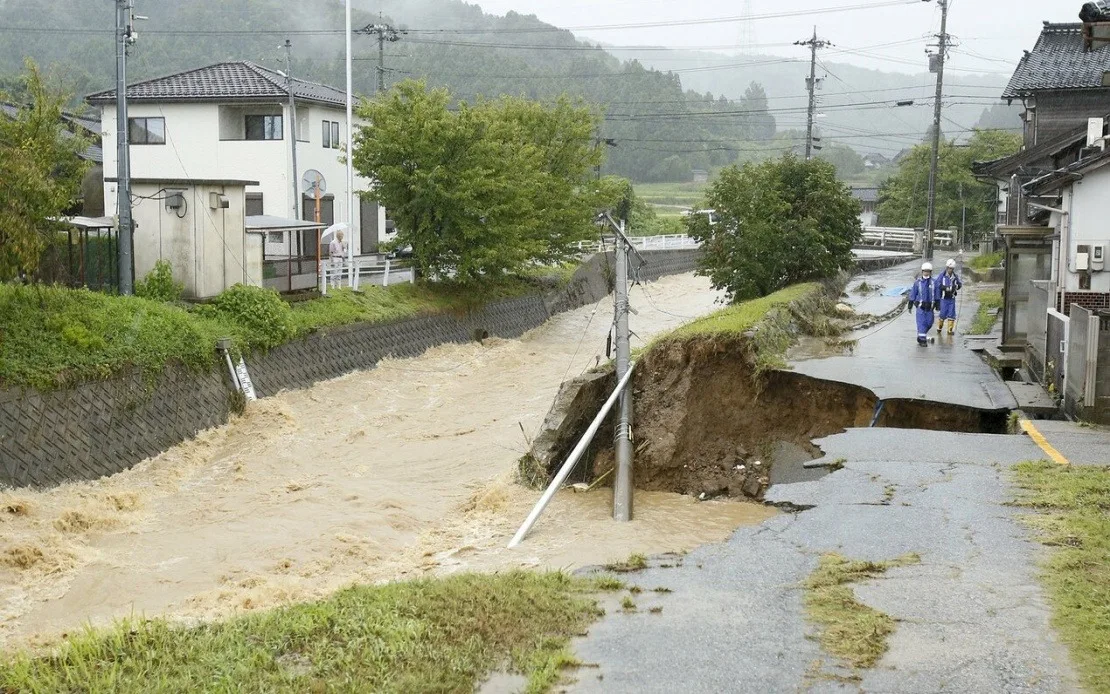
A flash flood triggered by a glacier collapse struck the Nepal-Tibet border on August 26, affecting the Langtang Valley and Rasuwa District [1, 2, 3]. This disaster did not impact the trekking route to Annapurna Base Camp (ABC), where approximately 65 to 70 Malaysians are currently hiking [1, 4, 2, 5, 6, 3].
Malaysian tour guide Muhammad Hafizal Hamidon said, "The situation at Annapurna Base Camp is good, alhamdulillah. As far as I know, there are about 65 to 70 Malaysians here. There was no rescue operation because everything was fine here and there were no problems. The floods were far from Annapurna Base Camp" [4]. He added, "Alhamdulillah, so far everyone here is safe and well. Although it rained quite heavily yesterday afternoon, we are safe here and there are also many other Malaysians in this area" [1].
The hikers are on the fourth day of their trek and plan to return home by August 31, 2026 [1, 2, 3]. Despite some landslides that partially restricted vehicle access on sections of the trekking route last week, the path has since partially reopened, allowing trekking to continue [4, 5, 6]. Hafizal also noted that road access back to the city might see slight disruptions but is expected to be restored within a few days before the hikers complete their trek [1].
Currently, trekking activities at Annapurna Base Camp proceed as usual without any rescue operations necessary for the Malaysian hikers [4, 5, 6].
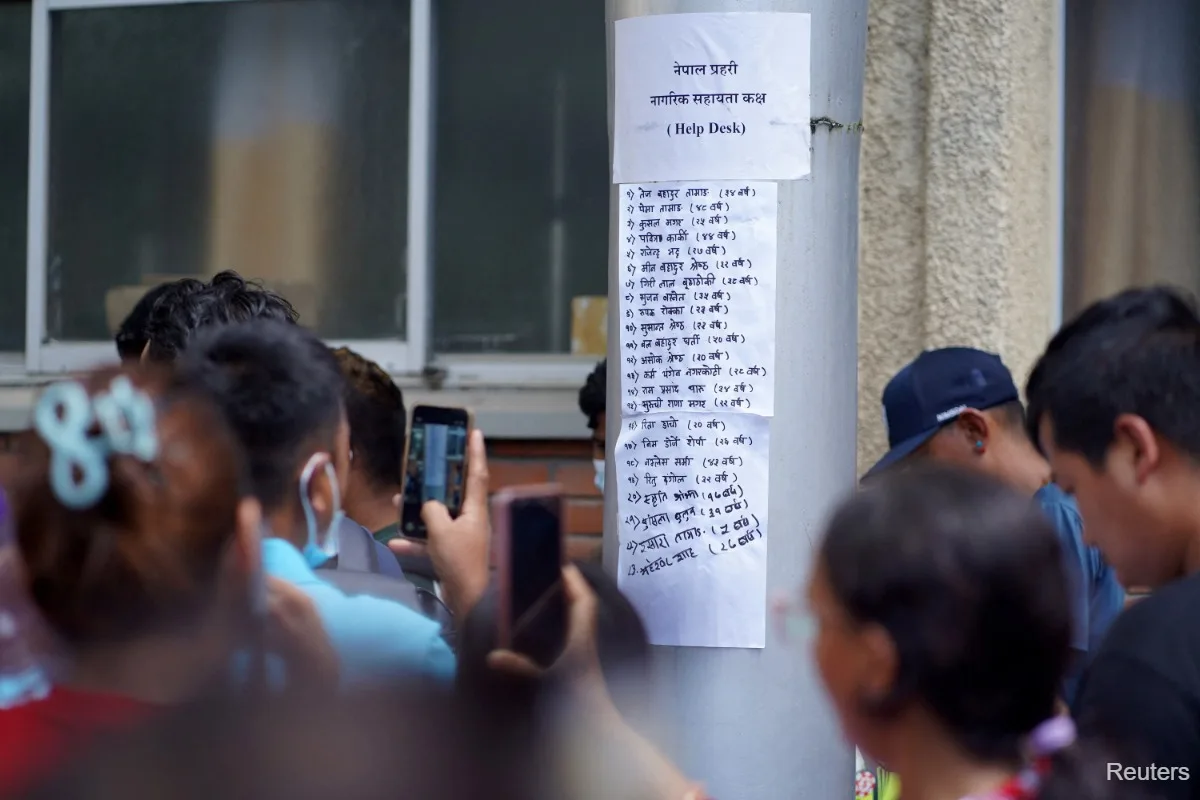
However, the flash floods severely impacted the Rasuwa District, causing many disruptions. A total of 55 Malaysians registered with the embassy in Kathmandu remain uncontactable following destruction by the overflowing Bhote Koshi River [1, 2, 3].
Hafizal advised Malaysians in Nepal to follow local guides' instructions closely, keep family informed, and delay trekking plans due to unpredictable weather and risks [1, 2, 3]. "Malaysians in Nepal should always follow the instructions of local guides and keep their whereabouts updated to avoid causing concern among family members back home. Those planning trekking activities should postpone their plans temporarily due to unpredictable weather conditions and high risks involved," he said [3].