Malaysian Parliament addressed multiple economic and social concerns during sessions on July 15, 2026. Lawmakers raised worries about internet service disruptions despite full mobile signal strength and called on the Malaysian Communications and Multimedia Commission (MCMC) to deliver a comprehensive plan to resolve connectivity problems [1].
The impact of the ongoing West Asia conflict on Malaysia’s fuel subsidy spending and its ability to meet fiscal deficit targets were also discussed, highlighting possible budgetary pressures [1, 2].
A sharp rise in Buy Now, Pay Later (BNPL) debt attracted attention, with outstanding BNPL loans reaching RM5.3 billion by the end of March 2026, up RM400 million from the end of 2025. There are now 8 million active BNPL users nationwide. Despite this increase, overdue BNPL loans comprise only RM181 million, or 3.4% of the total BNPL balance, and represent about 0.3% of total household debt [3, 4].
The Public Accounts Committee (PAC) criticized the Cooking Oil Price Stabilisation Scheme, revealing that the government allocates a subsidised quota of 60,000 metric tons monthly, well above actual domestic demand of 19,000 to 30,000 metric tons. PAC chairman Datuk Mas Ermieyati Samsudin said, "The absence of a targeted distribution mechanism had resulted in the government's RM10.879 billion spending on cooking oil subsidies between 2019 and February 2025 not fully benefitting the target group. This has resulted in subsidised 1kg cooking oil packets being misused by ineligible groups, including foreign nationals and commercial operators" [5].
PAC vice-chairman Teresa Kok recommended studying the feasibility of floating cooking oil prices to stabilise supply, reduce subsidy costs, and promote competition, citing the success of similar price-floating systems for chicken and eggs [6]. The committee also called for reducing the monthly quota closer to actual demand to prevent subsidy leaks [5, 6].
The committee expressed dissatisfaction with the government's slow response to earlier recommendations on land development governance in Kuala Lumpur [7].
PAC is reviewing whether to probe KWAP’s US$47.7 million investment made in 2023 in eFishery, a firm linked to alleged financial fraud and manipulated statements. KWAP and co-investors have begun legal and governance actions to recover funds [8].
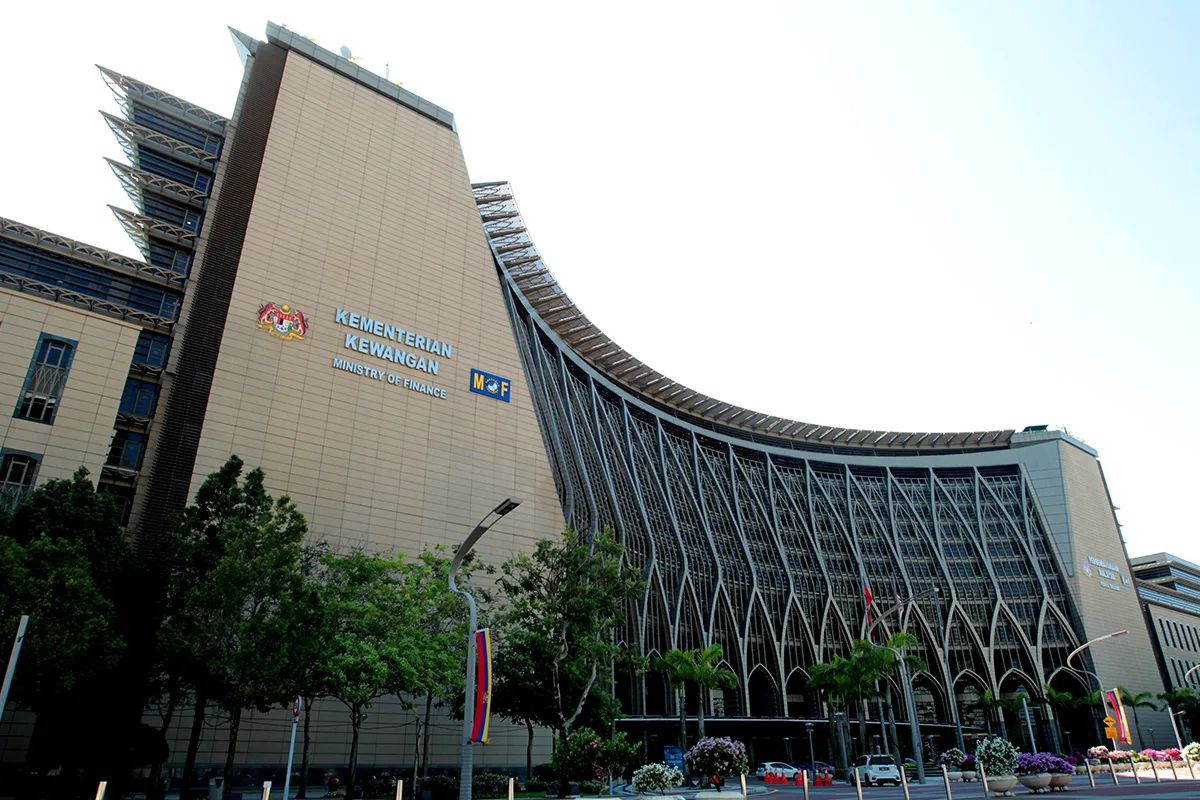
On taxation, the government announced no plans to implement a 2% wealth tax on wealthy individuals, citing Malaysia’s small tax base and limited revenue impact. The Finance Ministry emphasized that tax policies will remain fair and progressive, aiming to reduce socioeconomic inequality [9, 10].
The government has refunded RM14.7 billion in excess taxes to 3.17 million taxpayers as of June 30, 2026 [11].
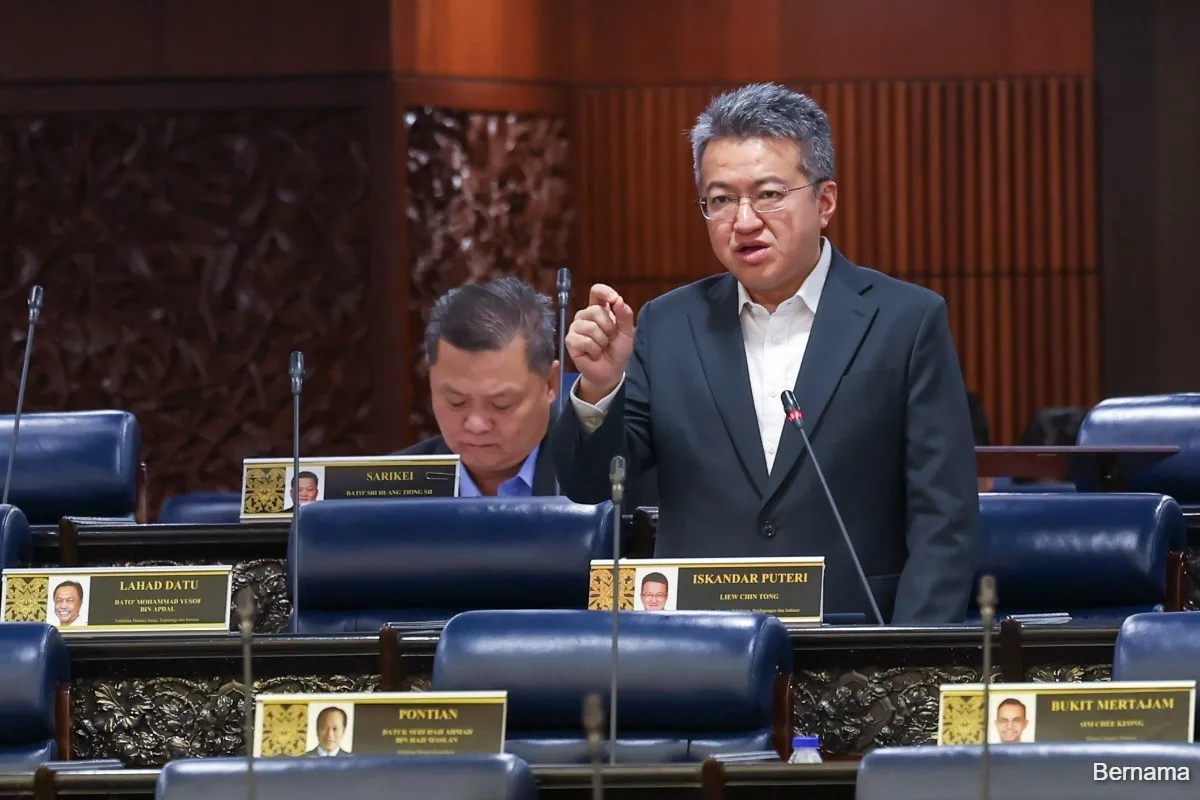
Lastly, the Ministry of Finance and Ministry of Women, Family and Community Development are studying proposals to exempt elderly care centres from the 8% sales and services tax (SST) to lessen burdens on vulnerable groups. Deputy Finance Minister Liew Chin Tong said he and his officers are ready to visit affected sectors and focus on resolving elderly care issues before addressing other areas [12].