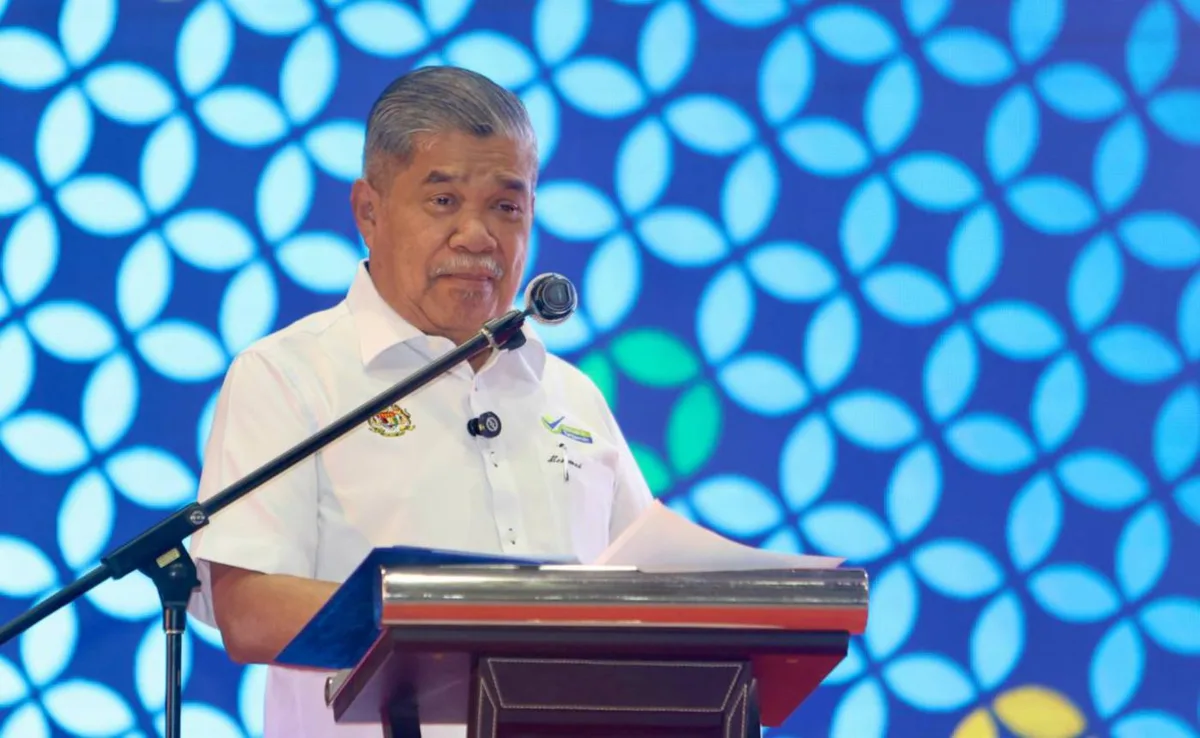
Malaysia’s Agriculture, Horticulture and Agrotourism Exhibition (MAHA) 2026 opened on August 28 at the Malaysia Agro Exposition Park Serdang (MAEPS), with Agriculture Minister Datuk Seri Mohamad Sabu officiating the event yesterday and announcing the expected signing of 121 memorandums of understanding (MoUs) worth RM8 billion in potential investments [1, 2, 3].
Half of the investment, about RM4 billion, is expected from Chinese partners, with the remaining RM4 billion coming from other countries participating in the exhibition [4, 1, 2, 3]. The 10-day event runs until September 6 and has attracted delegations from 14 countries, including the United States, Russia, China, Japan, South Korea, Brazil, and others [4].
The MoUs cover a range of areas such as technology exchange, investment into Malaysia’s agriculture sector, training for farmers including technical and vocational education and training (TVET), and initiatives to expand exports of Malaysian agricultural products [4, 1, 2, 3]. Malaysia aims to promote value creation by processing agricultural goods domestically rather than exporting raw materials and importing finished products. Datuk Seri Mohamad Sabu said, “We do not want to export raw materials and then import products processed overseas. If possible, we should process them ourselves, so that value creation continues all the way to the end user in Malaysia” [2].
Among the agricultural products with strong export potential are pineapples and durians. Malaysia’s pineapple exports already exceed RM1 billion, while demand for durians remains high in China [1, 2, 3]. The expo’s MAHA Go Global initiative targets helping Malaysian agricultural entrepreneurs, especially small-scale producers, reach international markets in Central Asia and Eastern Europe [4, 1, 2, 3].
The country’s agricultural sector contribution to GDP is growing this year, although Malaysia’s agri-food import bill currently exceeds RM80 billion, emphasizing the need to boost exports [1, 2, 3]. MAHA 2026 aims to attract about 4 million visitors and feature 2,000 local and international exhibitors. Organizers expect around RM60 million in direct sales and to expose 800,000 youth to opportunities within the agro-food sector [4, 3].
Due to current haze and high temperatures affecting the region, attendees are encouraged to wear masks. Datuk Seri Mohamad Sabu said, “假期今天开始,预计会有大量民众前来参观。鉴于目前的烟霾和高温天气,我希望他们尽可能戴口罩,以更好保护他们的健康” (The holiday starts today, and many visitors are expected. Due to haze and heat, I hope they wear masks to better protect their health) [3].
MAHA 2026 runs through September 6, continuing to host business meetings, exhibitions, and public engagement around Malaysian agriculture and agri-technology [4, 3].