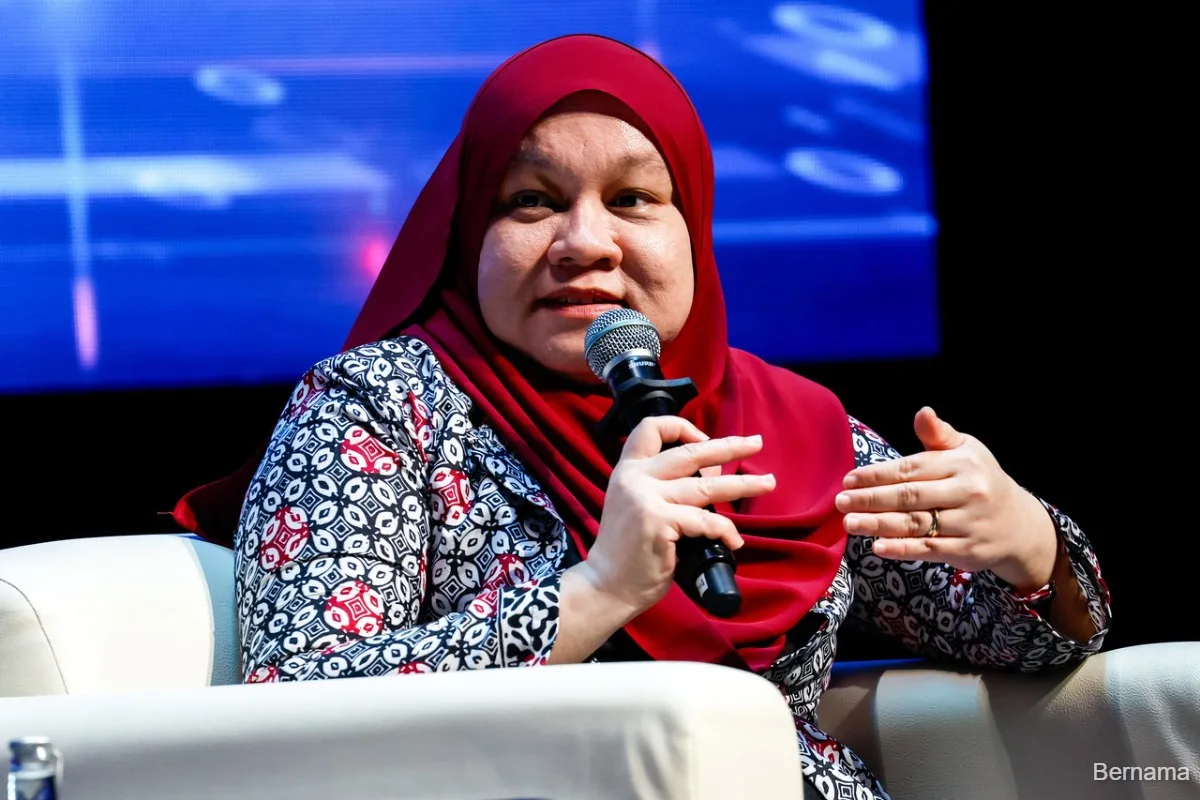
Malaysia’s choice to proceed with a nuclear power program depends on its preparedness in 19 critical infrastructure areas focused primarily on safety and regulatory frameworks, Energy Commission CEO Siti Safinah Salleh said at the ETCon26 conference on June 4, 2026 [1, 2].
The 19 key areas are drawn from the International Atomic Energy Agency’s Milestones Approach and include nuclear safety, radiation protection, radioactive waste management, site and supporting facilities, emergency planning, security, funding, and the nuclear fuel cycle among others [1, 2]. Salleh emphasized: "There are 19 building blocks that we have to be prepared for. Once you are ready, then we can take the next step in the conversation—do we want to do it?" [1]
Nuclear energy is viewed by Malaysia as a vital part of its long-term clean energy shift. The country aims to meet rising electricity demand while achieving its net-zero carbon emissions goal by 2050 [1, 2]. Salleh stated in Mandarin that nuclear power is necessary to reduce the carbon footprint of the energy system and that countries ready for nuclear development are advancing programs, citing China’s significant expansion, Europe revisiting nuclear options, and Japan’s consideration of restarting reactors shut after Fukushima [2].
DayOne Data Center CEO Chiu Sze Min welcomed the exploration of all forms of clean energy including nuclear, saying, “We welcome all forms of clean energy, whether solar, wind, or nuclear, as they are all important components of energy infrastructure.” Chiu expressed openness to collaborating with the government on nuclear technology development [2].
Malaysia remains in the preparatory phase evaluating infrastructure and regulatory readiness before making any formal decision to launch a nuclear power program [1, 2]. The government and industry leaders continue to engage in discussions and assessments toward this goal.