Maybank Investment Banking Group raised Malaysia’s 2026 GDP growth forecast to 4.9%, up from 4.4%, citing strong economic indicators from April and May and benefits from an AI-driven technology upcycle and net energy exports amid higher commodity prices [1, 2, 3]. At the Invest Asean event in Singapore on July 7, Maybank IBG CEO Michael Oh-Lau said, “Energy transition, supply chain reconfiguration and AI-led digital transformation are key themes at this year’s Invest Asean, and we expect these trends to continue over the next few years,” highlighting sustained investor interest in ASEAN’s resilience [1].
Malaysia’s economy grew 5.4% in the first quarter of 2026, exceeding Bank Negara Malaysia’s expectation of 4%-5%, driven by strong demand for AI technology, robust consumer spending, and investment activities [4, 5]. Latest industrial production data showed May’s manufacturing index rose 6.6%, while overall industrial production increased 8.4%, buoyed by a mining sector surge of 19.8% that supports an optimistic outlook for second quarter manufacturing and potential GDP upside [6]. June’s manufacturing purchasing managers index improved to 50.7, signaling expansion in output and new orders [6].
Maybank IBG also upgraded its 2026 ASEAN-6 GDP growth forecast to 4.7%, from 4.5%, amid easing oil prices and the reopening of Strait of Hormuz tanker traffic [1, 2, 3]. The group set a year-end target for the FBM KLCI index at 1,750 points, based on expected 7.5% earnings growth, ongoing investment cycles, stable spending on consumer essentials, and steady foreign investor participation [1, 2, 3].
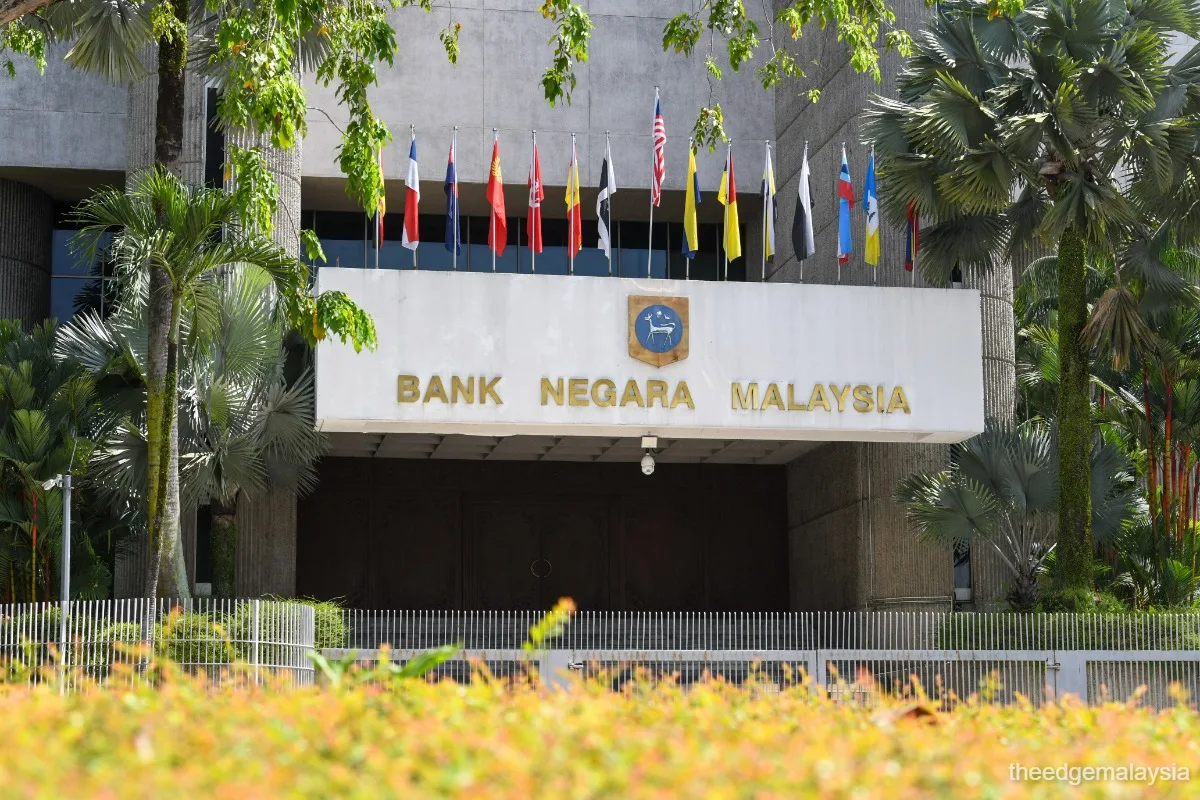
Bank Negara Malaysia is expected to hold its overnight policy rate steady at 2.75% in July 2026 but signal a possible hike later in the year due to improving economic outlook and AI-driven growth momentum [4, 5]. HSBC economists Yun Liu and Madhurima Nag said, “While some Asean central banks have rushed to hike rates, we do not believe the same conditions apply to Malaysia. BNM will likely maintain its cautious optimism on Malaysia’s growth and inflation outlook.” Barclays economist Brian Tan noted, “A more hawkish tone in the July policy statement would help lay the groundwork for that hike.”
Malaysia has not raised interest rates in over three years, making it an outlier in Southeast Asia, where countries like Indonesia and the Philippines have tightened policies amid inflation pressures [4, 5]. The July policy meeting is now awaited for signs of this monetary policy shift.