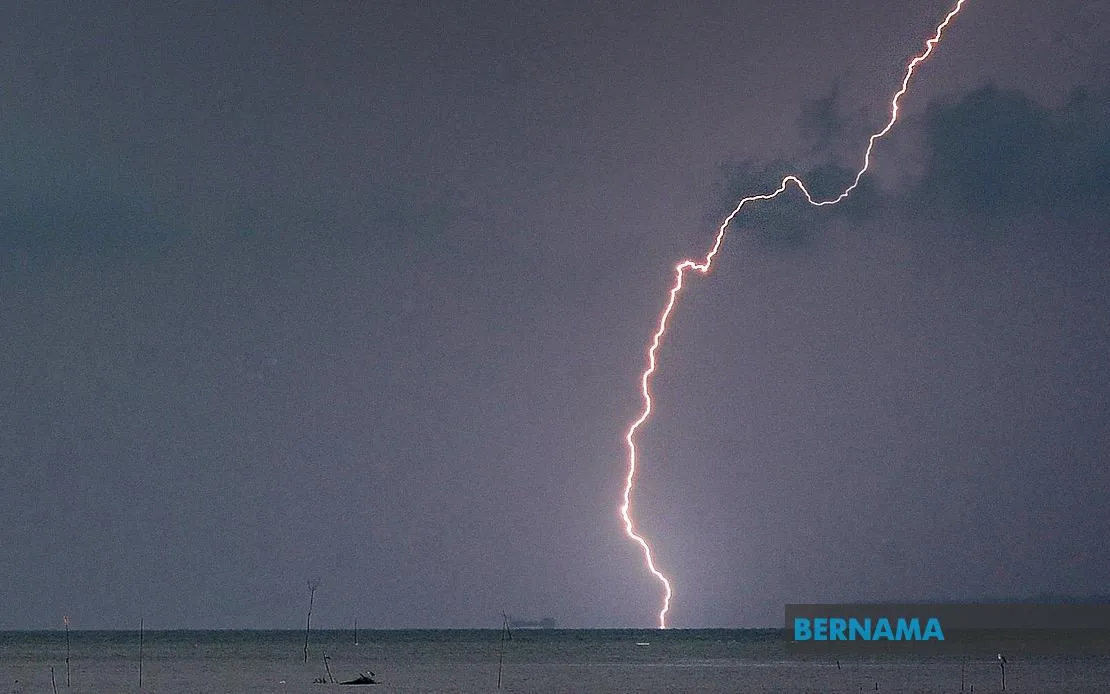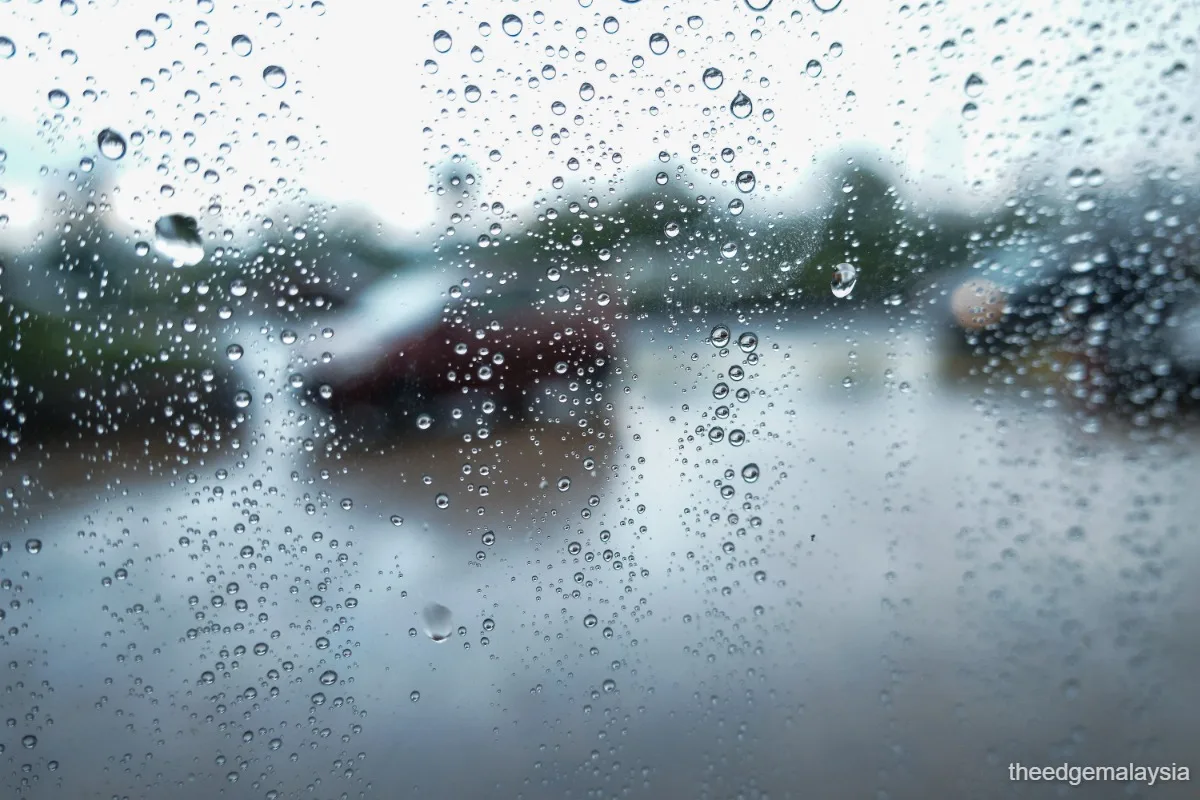
MetMalaysia issued thunderstorm warnings valid until noon on August 18 for several areas in Peninsular Malaysia including Kedah (Kuala Muda and Yan), Penang, Perak (Bagan Datuk), Selangor (Klang, Kuala Langat, Sepang, Kuala Selangor, Petaling, Sabak Bernam, Gombak), and the Federal Territories of Kuala Lumpur and Putrajaya [1, 2]. These warnings indicated expected rainfall intensity exceeding 20 millimeters per hour or lasting over an hour [3, 4].
Similar warnings on August 18 extended until 1:00 pm to additional areas in Perak, including Kerian, Larut, Matang and Selama, Manjung, Perak Tengah, and Hilir Perak [1, 2]. On August 17, warnings were issued covering Sabah and Sarawak until 1:00 am, including Sibu, Sarikei, Sri Aman, Betong, Serian, Kuching, Limbang, Miri, Bintulu, Samarahan, Kapit, Sandakan, Tawau, and both the interiors and west coast of Sabah [5].
On August 20, MetMalaysia expanded thunderstorm warnings until 11:00 am for areas in Sarawak such as Betong, Sarikei, Mukah, Miri, Limbang, Kapit, and Bintulu; parts of Sabah including interior and west coast regions; and the entire Federal Territory of Labuan [3, 4]. The agency said warnings were based on signs forecasting rainfall exceeding 20 millimeters per hour or lasting more than one hour [3, 4].
Sarawak also faces haze issues partly caused by some 4,000 fire hotspots detected in neighboring West Kalimantan, Indonesia, including 3,560 moderate and 352 high-level hotspots as of August 10. This has contributed to unhealthy air quality in Pontianak and surrounding areas [6]. As of August 21, Sarawak's Serian recorded a very unhealthy Air Pollutant Index (API) of 227, with nine other areas also showing unhealthy readings [7].
Sarawak Deputy Premier Datuk Amar Douglas Uggah Embas said cloud seeding operations to mitigate haze depend on suitable clouds being present. "The important thing is that there must be (suitable) clouds. If there are no (suitable) clouds, the salt (seeding agent) will simply fall," he said [7]. He added that coordination with the National Disaster Management Agency (Nadma) is ongoing to ensure preparations are optimal [7].
Water levels in several dams and reservoirs in Sarawak are also at alarming lows due to hot weather conditions as of August 21 [7]. Authorities will continue monitoring these conditions as the monsoon transit period progresses.
The next update on weather warnings and haze mitigation efforts is expected following continuing observations in the coming days.