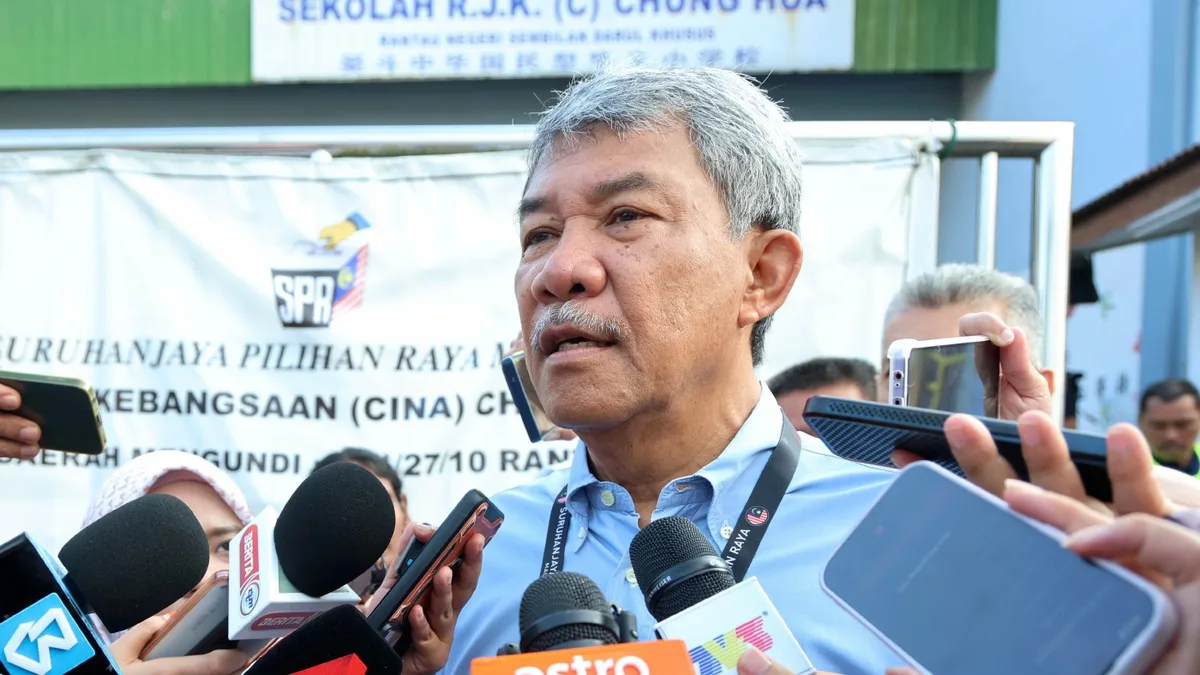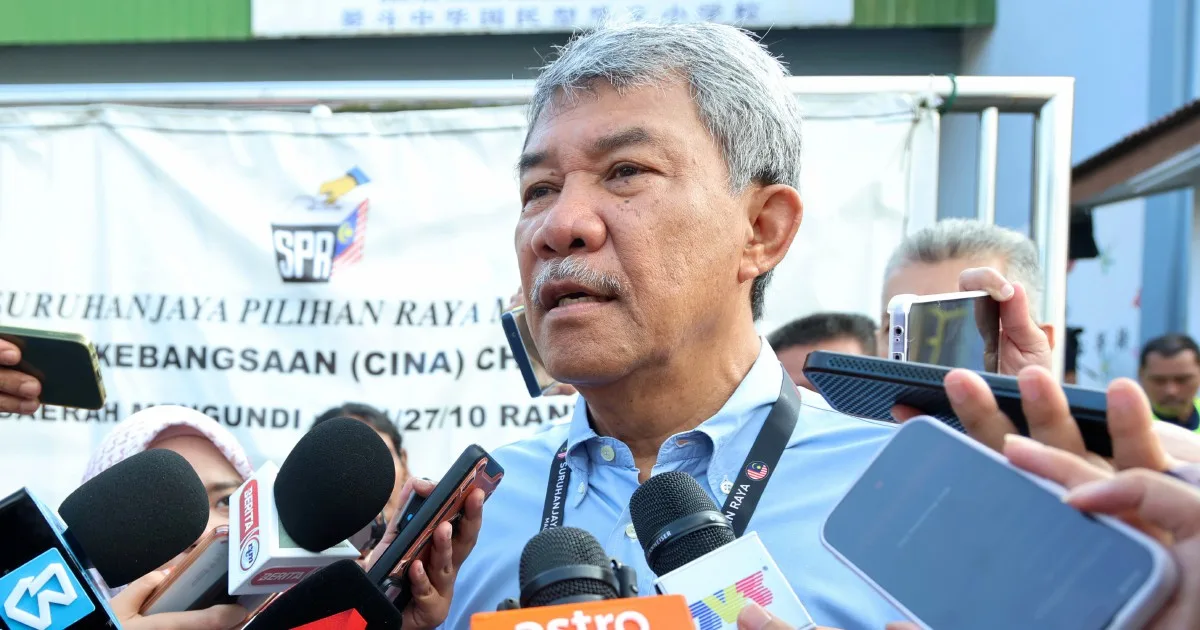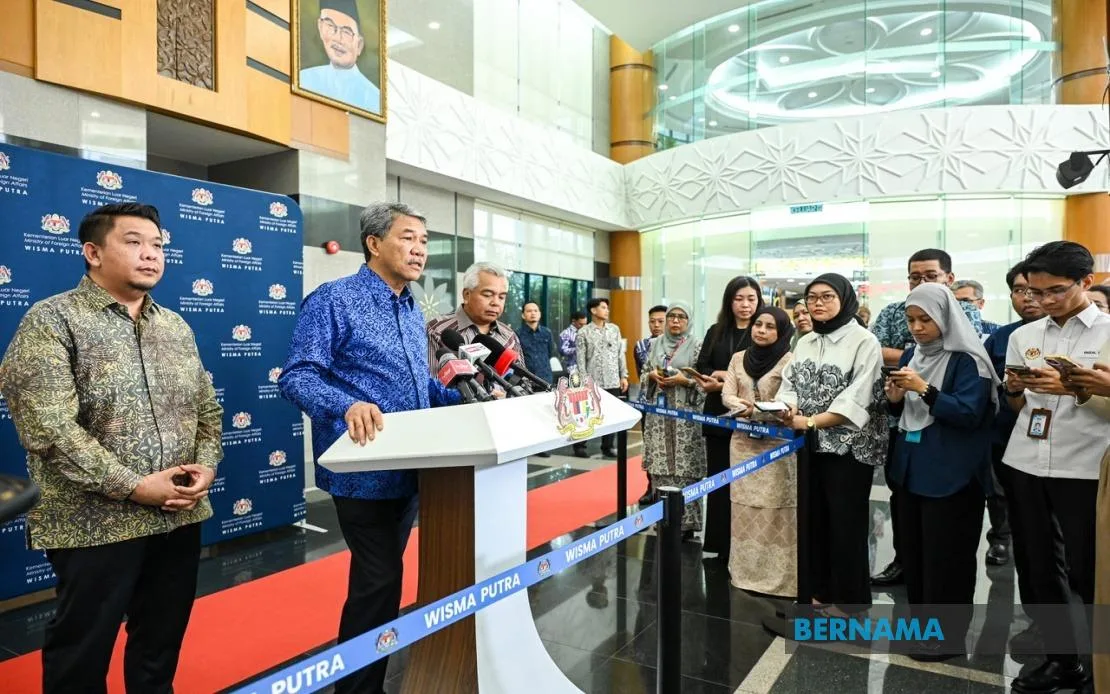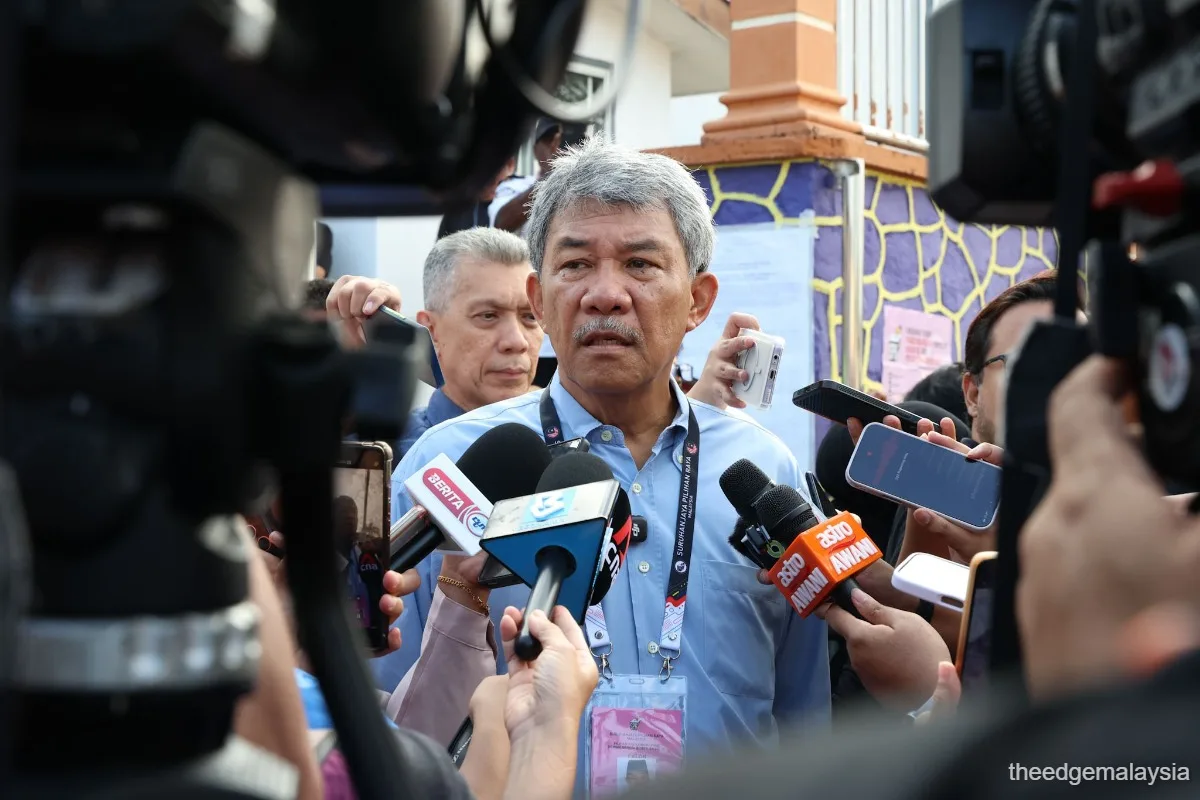
Myanmar has expressed readiness to repatriate 5,000 refugees identified by Malaysia, including transporting them home by ship, Malaysian Foreign Minister Mohamad Hasan announced today in Kuala Lumpur [1, 2, 3, 4, 5, 6, 7, 8]. Hasan emphasized the safety of these refugees during and after repatriation remains a primary concern. "Will it be safe to send them back? Or what will happen to them?" he asked [1].
The group includes various ethnic groups from Myanmar such as Rohingya, Chin, and Karen, and is not limited to the Rohingya community alone, Hasan stated [1, 2, 3, 4, 6, 7, 8, 5]. Malaysia has identified these specific 5,000 refugees targeted for repatriation [1, 4, 7, 5].
Malaysian Prime Minister Anwar Ibrahim confirmed in late July 2026 that Myanmar agreed to receive this initial group of Rohingya refugees following diplomatic negotiations between the two countries [8, 5]. Communications Minister Fahmi Fadzil added that repatriation will not proceed if refugees face persecution or threats to their lives upon return [8].
Malaysia hosts one of the largest Rohingya refugee populations in the region, with approximately 193,824 registered refugees and asylum seekers from Myanmar as of 2026, including 126,144 Rohingya, 15,774 Chin, and 33,002 other ethnic groups [6]. The Malaysian Foreign Ministry acts as facilitator, while the Home Ministry and Myanmar counterparts handle repatriation arrangements [2, 3, 5].
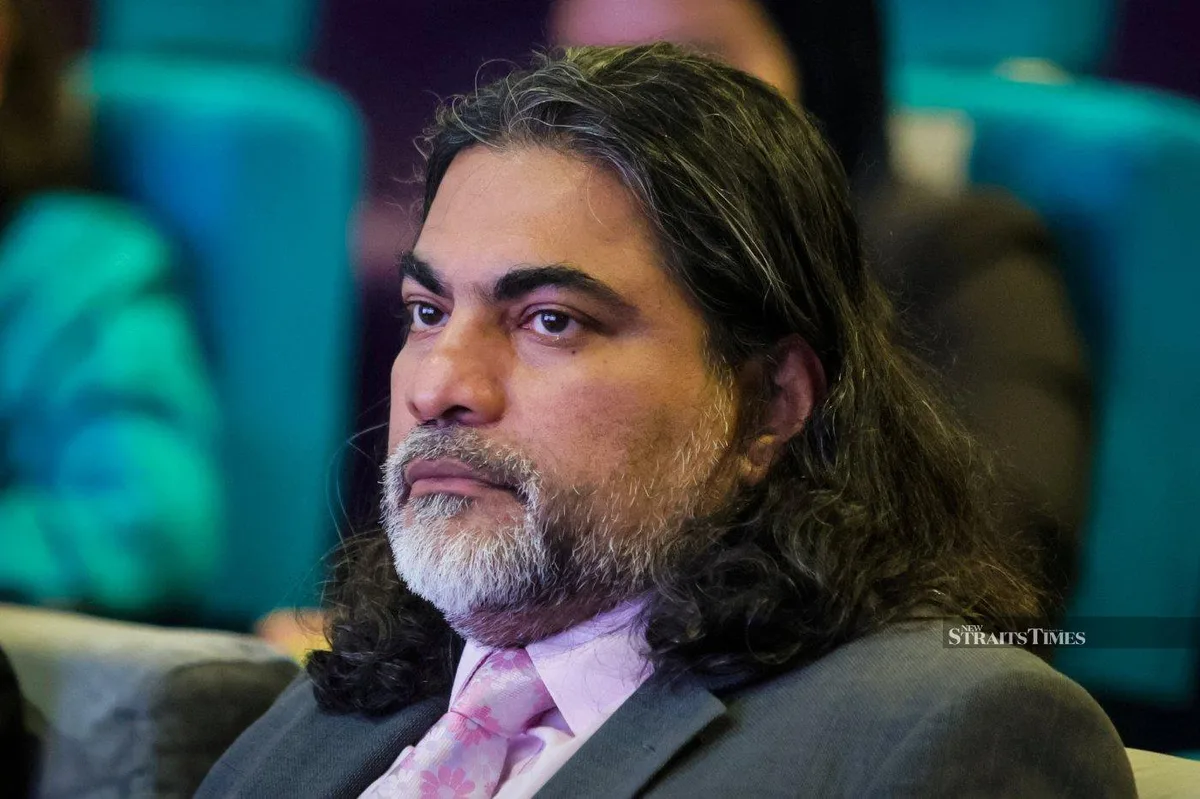
Malaysian officials emphasized that the process must respect the principle of non-refoulement, which prohibits returning refugees to places where they face serious harm—a principle Malaysia recognized in 2015 [9, 10, 11]. Anand Raj, president of the Malaysian Bar Council, called for the returns to be voluntary and based on individual risk assessments. He urged the government to disclose details of the repatriation agreement, including screening and safeguards [9, 10, 11].
The ASEAN Five-Point Consensus remains the core mechanism addressing the Myanmar crisis and refugee issue, calling for an immediate stop to violence, constructive dialogue, appointment of a special envoy, humanitarian aid delivery, and access to all stakeholders [1, 2, 3, 4, 6, 7, 5]. Hasan affirmed Malaysia’s support for ASEAN’s framework and urged Myanmar’s government to fulfill its commitments agreed upon previously [5].
Myanmar’s military coup in February 2021 triggered ongoing instability and violations of the Five-Point Consensus, complicating repatriation efforts [6]. ASEAN foreign ministers have been tasked to assess developments in Myanmar and recommend next steps regarding the consensus [2, 3].
No specific timeline for the repatriation has been set, but Malaysian officials expect the process to proceed once screening, safety checks, and logistical arrangements are completed expeditiously [1, 2, 3, 4, 6, 7, 5].