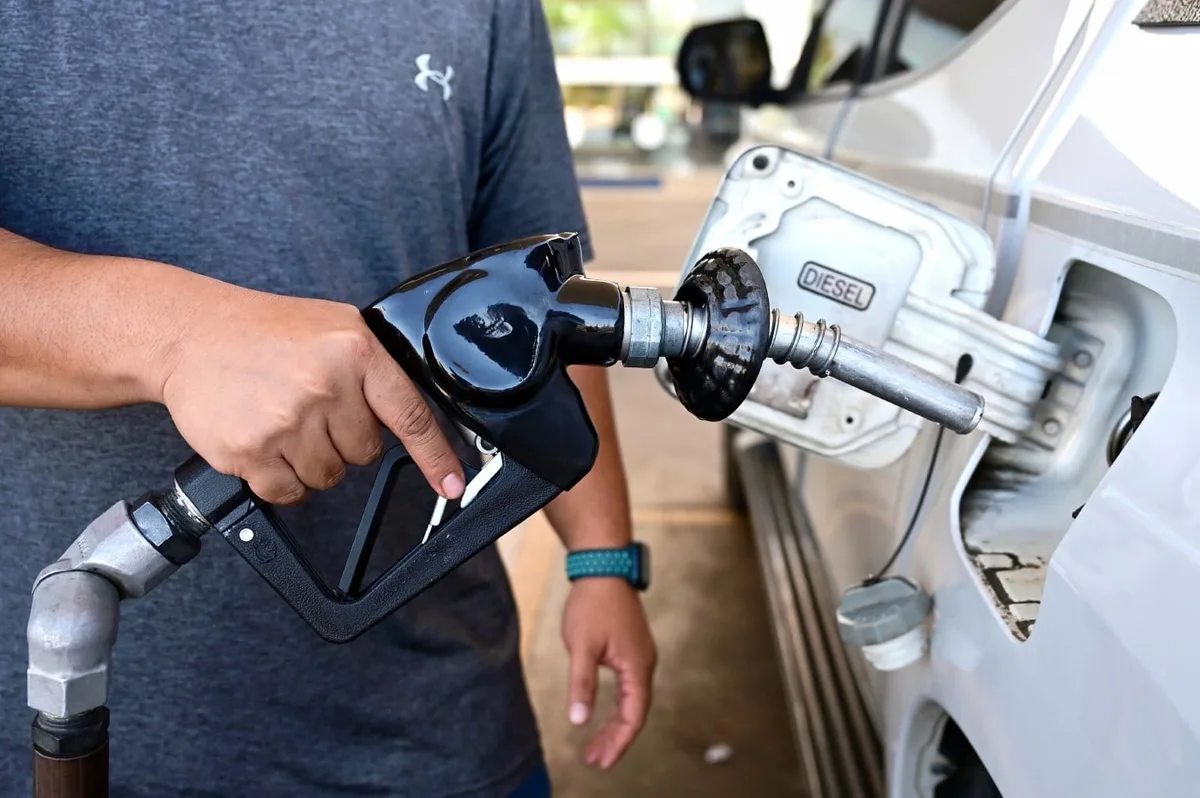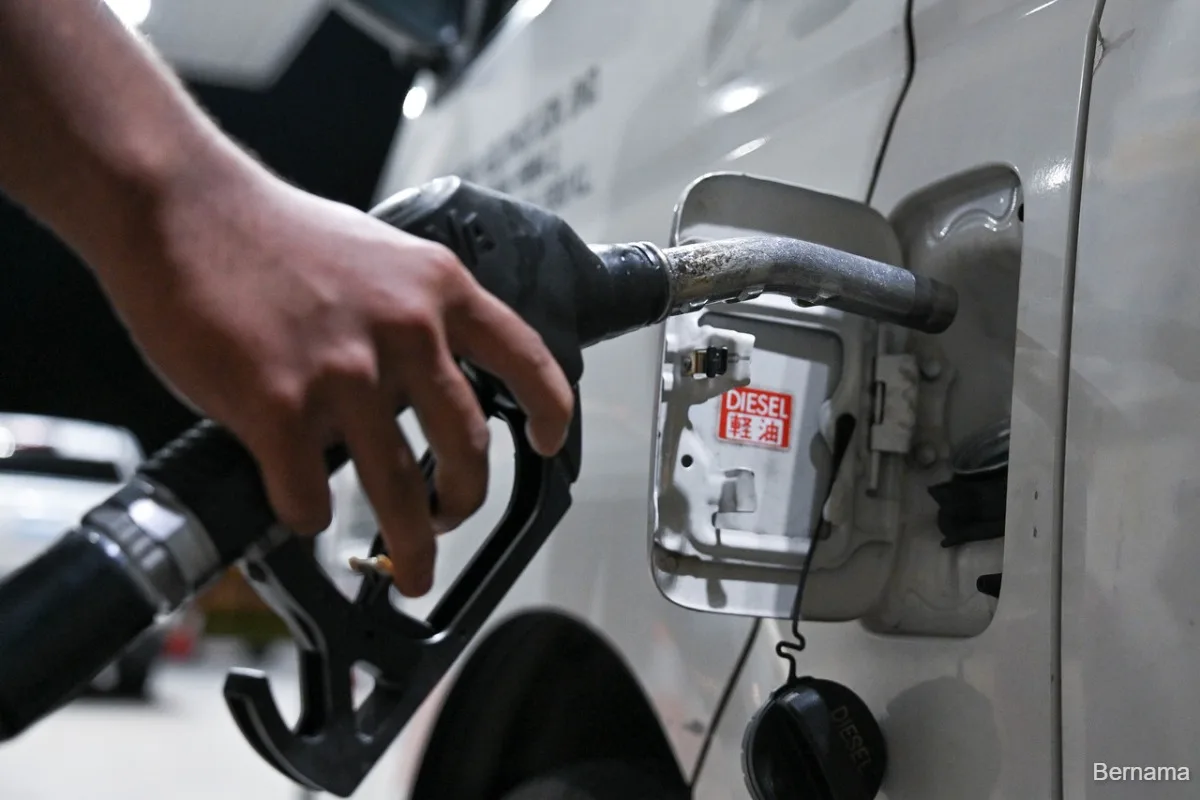
Nearly 200,000 owners of diesel pick-up and jeep-type vehicles nationwide have been approved for an additional 100 litres of subsidised diesel per month under the Budi Madani Diesel (Budi Diesel) programme, raising their quota from 200 litres to 300 litres starting July 2026 [1, 2, 3, 4].
More than 174,000 recipients are in Peninsular Malaysia, with over 22,000 in Sabah, Sarawak, and Labuan as of July 4, 2026 [1, 2, 3, 4]. The higher allocation responds to increased diesel consumption needs for small businesses and travel to rural and remote areas [1, 2, 3, 4].
Finance Minister II Datuk Seri Amir Hamzah Azizan said, "The government understands that for diesel pick-up and jeep owners, these vehicles are not just for daily commuting, but are also used to earn a living and manage family needs" [1]. He added, "This flexibility is given to ensure that those who are genuinely eligible and use the vehicle will benefit from the subsidy" [1]. In a separate statement, he emphasized the subsidy aims to help families manage monthly diesel requirements [4].
Since early access began on June 27, 2026, over 238,000 users across Peninsular Malaysia, Sabah, and Sarawak have benefited from the Budi Diesel scheme [1, 2, 3]. Subsidised diesel transactions have exceeded 336,000, totaling 12.6 million litres dispensed and government subsidies surpassing RM23 million [3].
The programme uses MyKad verification to ensure subsidies reach Malaysian citizens only. Non-citizens and ineligible parties must purchase diesel at market prices [3, 4]. To accommodate actual vehicle users, a quota-transfer facility allows subsidy eligibility transfer within immediate families subject to verification [1, 2, 3, 4].
More than 2,000 applications for subsidy transfer eligibility were received via the official Budi Madani portal by July 4, 2026 [1, 2, 3, 4]. Owners may update vehicle records with the Road Transport Department, which has waived diesel vehicle ownership transfer fees for three months from July 1, 2026 [1, 2, 3, 4].
Officials said the scheme will continue to be monitored and adjusted based on public and industry feedback to prevent subsidy leakage and ensure subsidies reach eligible recipients [3, 4].