Brent crude oil prices fell below US$72 per barrel, with WTI near US$69, amid steady energy flows through the Strait of Hormuz and OPEC+ signaling higher supplies for August [1, 2, 3, 4, 5, 6]. Major OPEC+ members, led by Saudi Arabia and Russia, agreed to boost their collective production quotas by 188,000 barrels per day starting next month [1, 2, 3, 4, 5].
On July 6, Saudi Aramco cut the official selling price of its Arab Light crude to Asia by US$11 per barrel for August, setting it at US$1.50 below the Oman-Dubai benchmark average. This marked the largest Saudi price cut in over 20 years but still left its crude more expensive than rival Gulf grades, limiting demand in key Asian markets [3, 7]. Vortexa analyst Emma Li said the deep cuts reflect intense competition and weak Asian demand, especially from China, combined with new Iranian crude sanctions waivers shifting the market in buyers’ favor [7].
Oil prices collapsed roughly 30% in the second quarter after a tentative US-Iran interim peace deal restored some flows through the Hormuz Strait [1, 3, 4, 5]. Shipping traffic has been gradually recovering but remains below pre-conflict levels. Between July 3-5, about 108 commercial vessels crossed the Strait daily, up from previous lows but below pre-war norms [8, 9, 10]. On July 7 alone, at least 12 million barrels of crude passed through the Strait, including 6.1 million barrels from Saudi Arabia, 3.9 million from the UAE, and 2 million from Qatar [9].
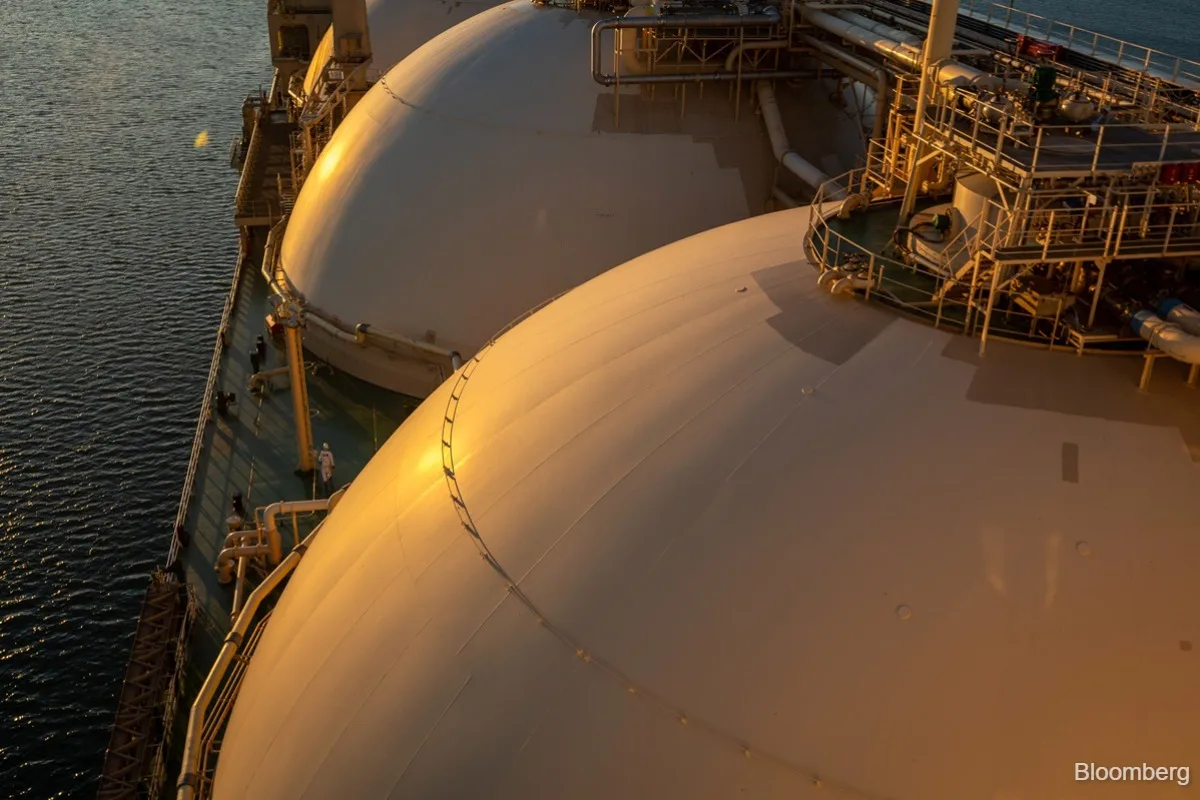
Since early May 2026, the US military has facilitated safe passage for over 800 commercial vessels and 380 million barrels of crude oil through the Strait of Hormuz, despite renewed US-Iran tensions and attacks on vessels [11, 8, 9, 10]. Although tensions persist, LNG tankers and commercial ships continue transiting the strategic waterway.
Market watchers warn of a potential oil glut as OPEC+ output rises and demand remains weak, particularly in Asia. Jay Hatfield, CEO of Infrastructure Capital Management LLC, said, "We have a US$60 target on oil over the next month. Saudi posted price cuts normally reflect changes in market prices. We had already assumed that OPEC would produce at maximum production to refill coffers" [3].
Saudi Arabia’s price cuts, while steep, may not be enough to sway buyers in Asia where the crude is still priced above some competing Gulf supplies, according to Vortexa analyst Emma Li [7]. Early July oil prices hovered near pre-war levels around US$68.50 a barrel, supported by improving shipping flows and easing geopolitical risks [6].
The next key development will be the implementation of the increased OPEC+ production quotas in August, with market participants closely monitoring demand trends and geopolitical events that could shift flows through the Strait of Hormuz.