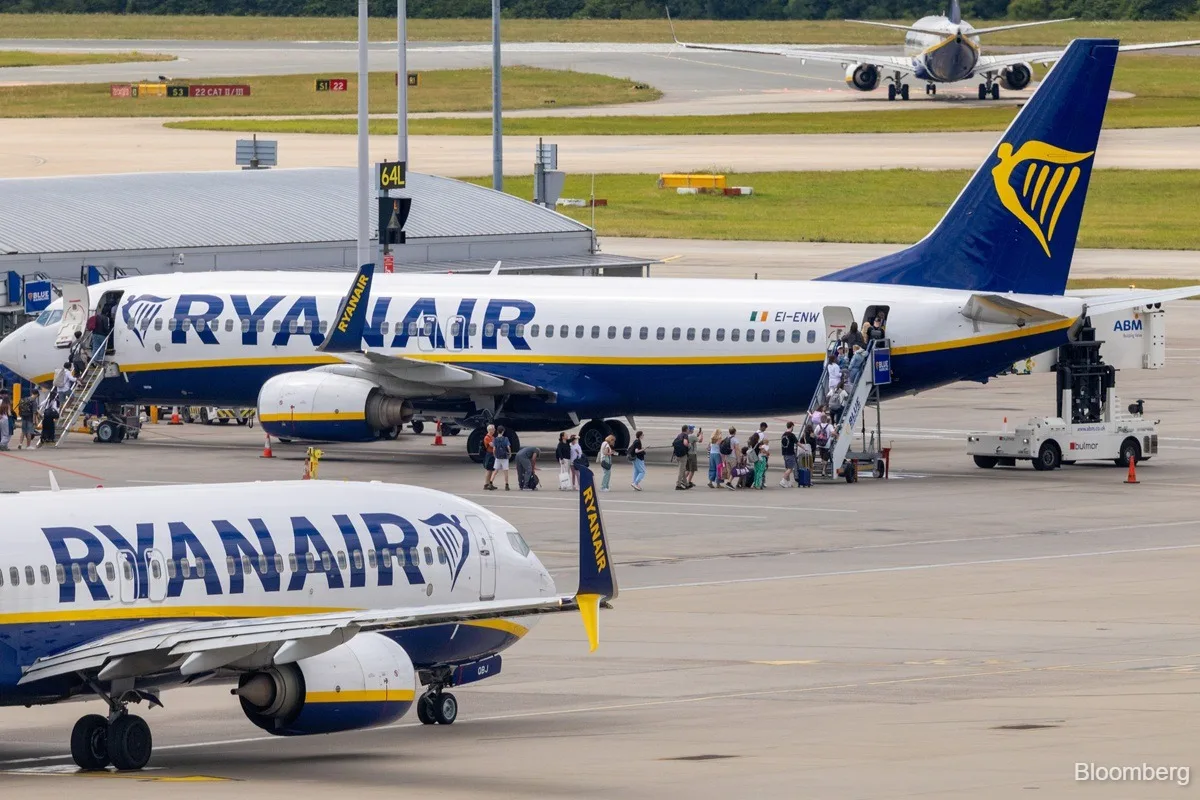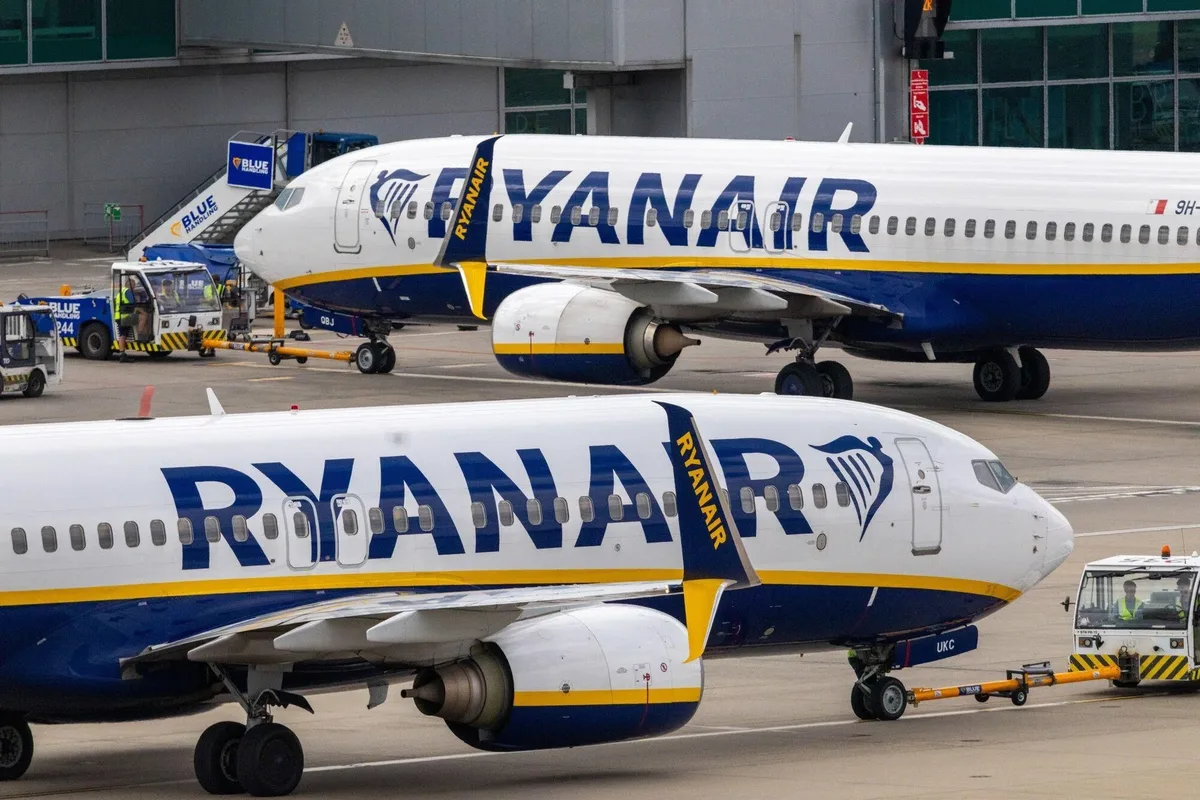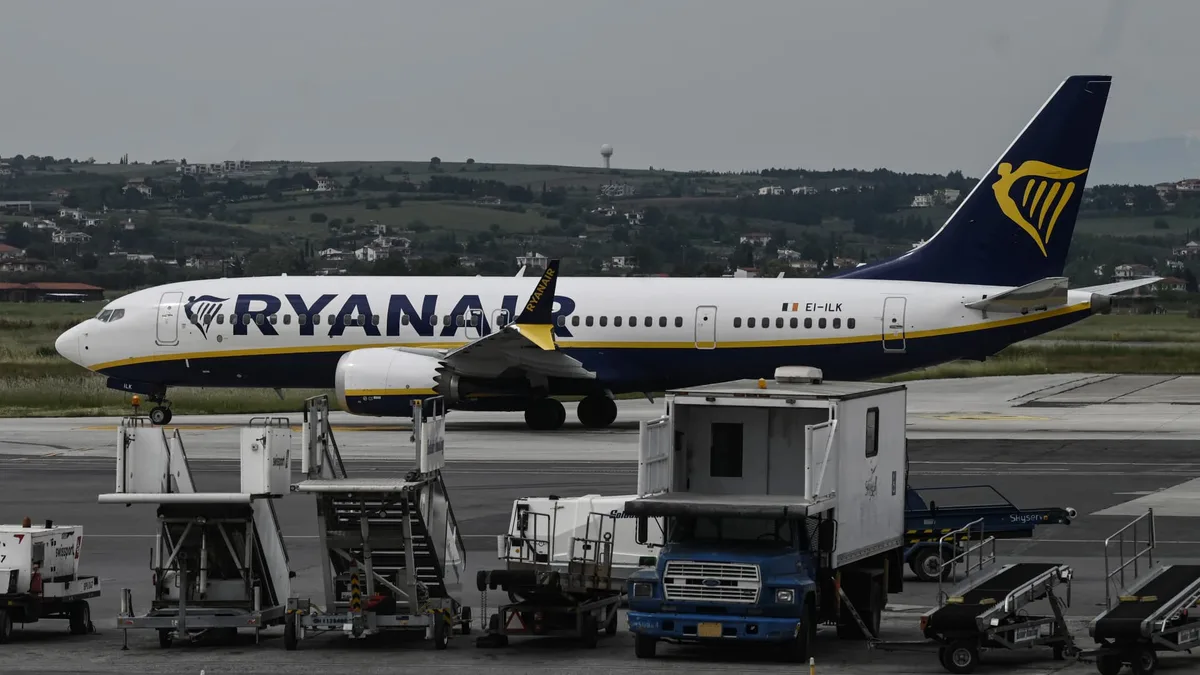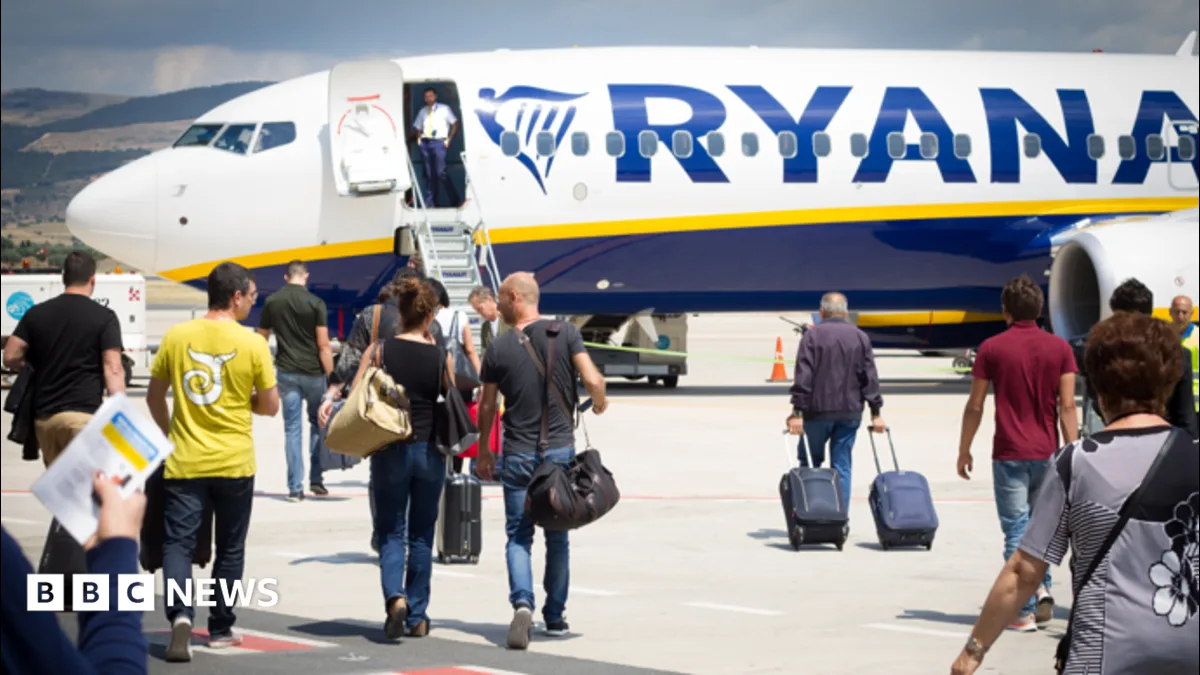
Ryanair reported a 34% drop in pre-tax profit to around 538 million euros ($615-616 million) for the first quarter ending June 30, 2026, driven by soaring fuel costs and weaker fares linked to the conflict in Iran [1, 2, 3, 4]. Revenue was largely flat, rising slightly by 1% to about 4.4 billion euros, while passenger numbers grew 6% to approximately 6.1 million, boosted by the Easter holidays [1].
Jet fuel prices more than doubled for the 20% of fuel costs that Ryanair does not hedge, pushing up operating costs by roughly 11% to 3.81 billion euros in the quarter [1, 2, 3, 4]. To counter subdued demand due to consumer uncertainty amid the Middle East conflict and economic worries, Ryanair reduced fares by about 6% in Q1 to stimulate bookings [1, 3, 4]. CEO Michael O’Leary said, "The price of our 20 per cent unhedged fuel doubled in the quarter and fares fell 6 per cent, primarily we think due to the impact of the Middle East conflict" [3].
O’Leary added that Q1 fares, despite benefiting from a full Easter holiday in April, required stimulation because the conflict caused consumer hesitancy, concerns about jet fuel shortages, and later bookings [4]. Aviation analyst John Strickland said travelers were anxious to book summer holidays early in the Iran war, forcing Ryanair to cut prices which led to revenue pressure despite higher passenger traffic [4].
Ryanair expects summer fares from July to September 2026 to be modestly lower compared with the previous year due to ongoing caution and delayed bookings [1, 3, 4]. The company does not provide full-year profit guidance due to uncertainty over geopolitical developments and volatile fuel prices [2, 4]. As O’Leary stated, "As is normal this early in the year, we have zero H2 visibility, so it remains far too early to provide any meaningful FY27 PAT guidance" [4].
The airline is hedged for 80% of its jet fuel needs for 2027 at around $67 per barrel and 15% for 2028 at $85 per barrel [2, 4]. CFO Neil Sorahan said Ryanair is well positioned but cautious, stating, "We are well set for a good profitable year, but it’s too soon to put numbers on what that’s going to be" [2]. Sorahan also warned of a challenging winter ahead for European airlines, with potential capacity cuts and airline failures: "I wouldn’t be surprised to see a number of casualties this winter ... there’s a few people very much on the edge" [3]. He added that capacity reductions could benefit pricing in the market [3].
Ryanair’s share price fell between 5% and 12% following the profit warning and rising fuel cost concerns [1, 2, 4]. The company’s CFO said short-haul capacity in Europe will remain constrained until at least 2030 due to aircraft shortages and market consolidation [2, 3].
Ryanair reported these Q1 results as tensions erupted in the Middle East in February 2026, when US and Israeli strikes on Iran triggered a surge in jet fuel prices and dampened consumer confidence [1]. On July 20, Ryanair issued conservative guidance for the full fiscal year 2026-27, citing zero visibility for the second half and sensitivity to fuel and geopolitical developments [2, 4].