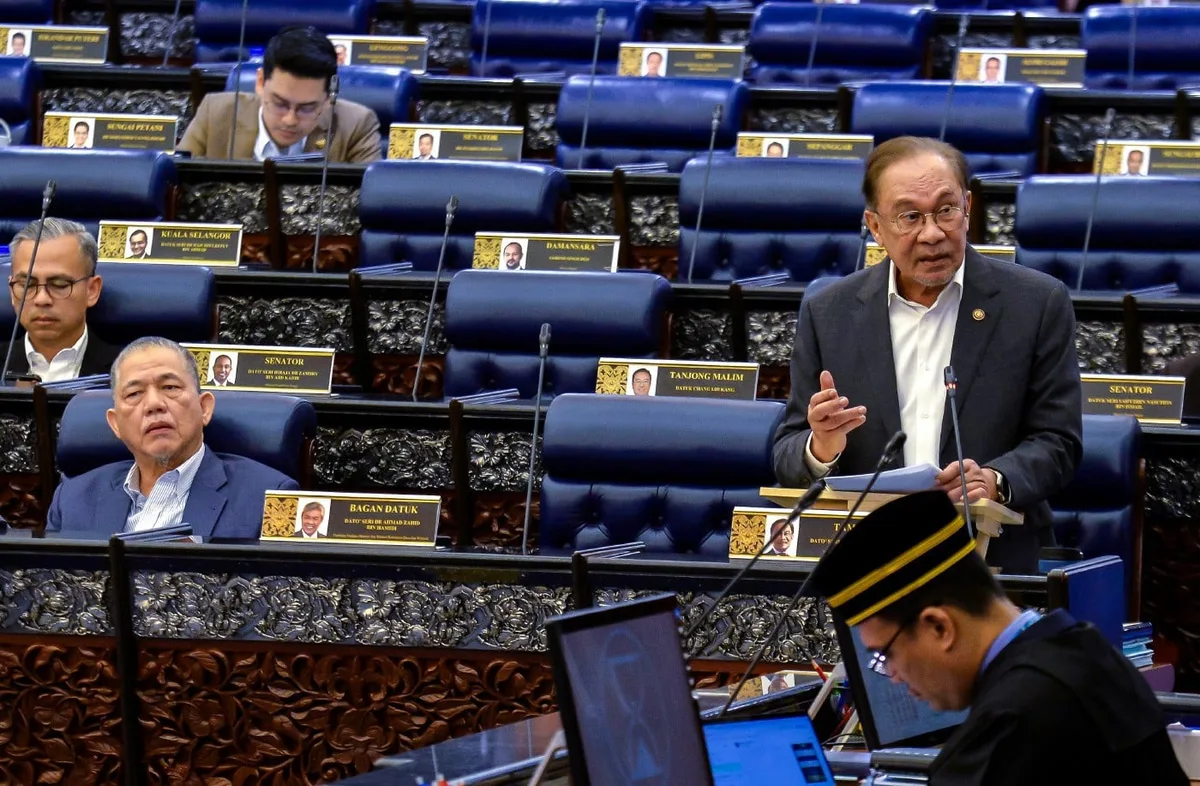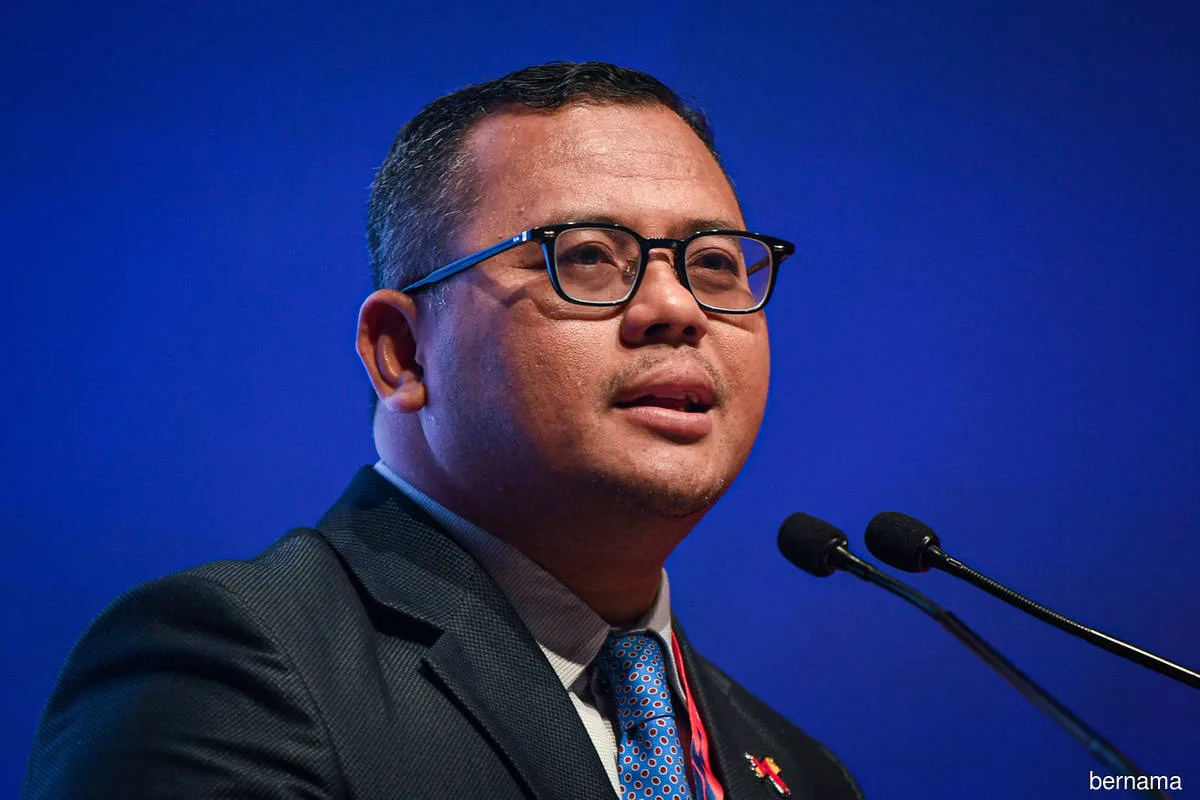
Selangor’s GDP expanded by RM28 billion in 2025, reaching RM460.1 billion and raising its share of Malaysia's economy to 26.5%, up from 26.2% the previous year [1, 2, 3]. The state’s economy grew at 6.3%, outpacing the national growth rate of 5.2% [1, 2, 3]. Datuk Seri Amirudin Shari said, "The growth has increased Selangor's contribution to Malaysia's GDP from 26.2% to 26.5%, expanding the state's economy to more than 1.7 times the size of Kuala Lumpur's and 2.7 times that of Johor’s" [1].
Key sectors driving this growth were services (RM15.9 billion), manufacturing (RM5.3 billion), and construction (RM3.7 billion) [1, 2, 3]. Selangor accounted for 35.9% of Malaysia's construction activity, 32.8% of manufacturing output, and 27.1% of the services sector in 2025 [1, 2, 3].
The state's economic expansion was propelled by the First Selangor Plan (2021-2025), which raised the economy by 33.94%, adding RM116.6 billion over the period [1, 2, 3]. Amirudin expressed gratitude, stating, "I would like to thank the civil service, industries investing in the state, and above all the people of Selangor for their dedication and contribution to this economic success" [3].
Penang’s economy also showed strong growth in 2025, rising 7.3% to RM130.3 billion, mainly driven by manufacturing and services [4].
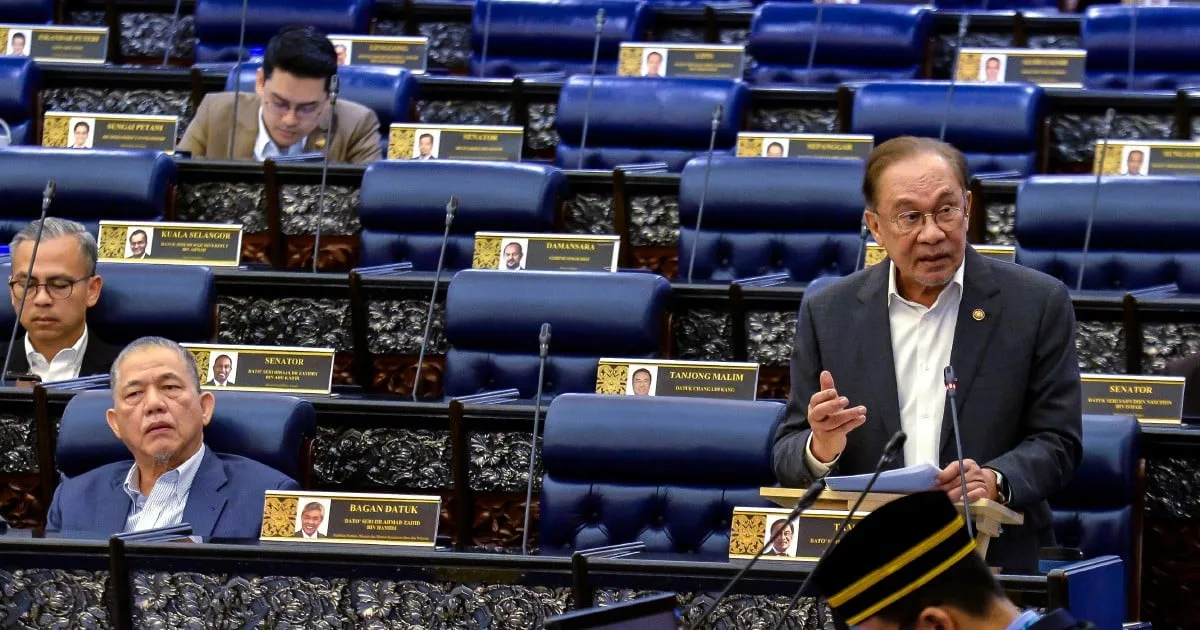
On the financial side, Malaysia’s household debt stood at RM1.73 trillion at the end of March 2026, equivalent to 84.4% of GDP, slightly improving from 84.7% at end-2025 [5, 6, 7]. The impaired household loan ratio remained stable at 1% as of December 2025, down from 1.1% in June 2025 [5, 6, 7]. Datuk Seri Anwar Ibrahim said, "Overall, households continue to have sufficient capacity to meet their debt obligations" [5].
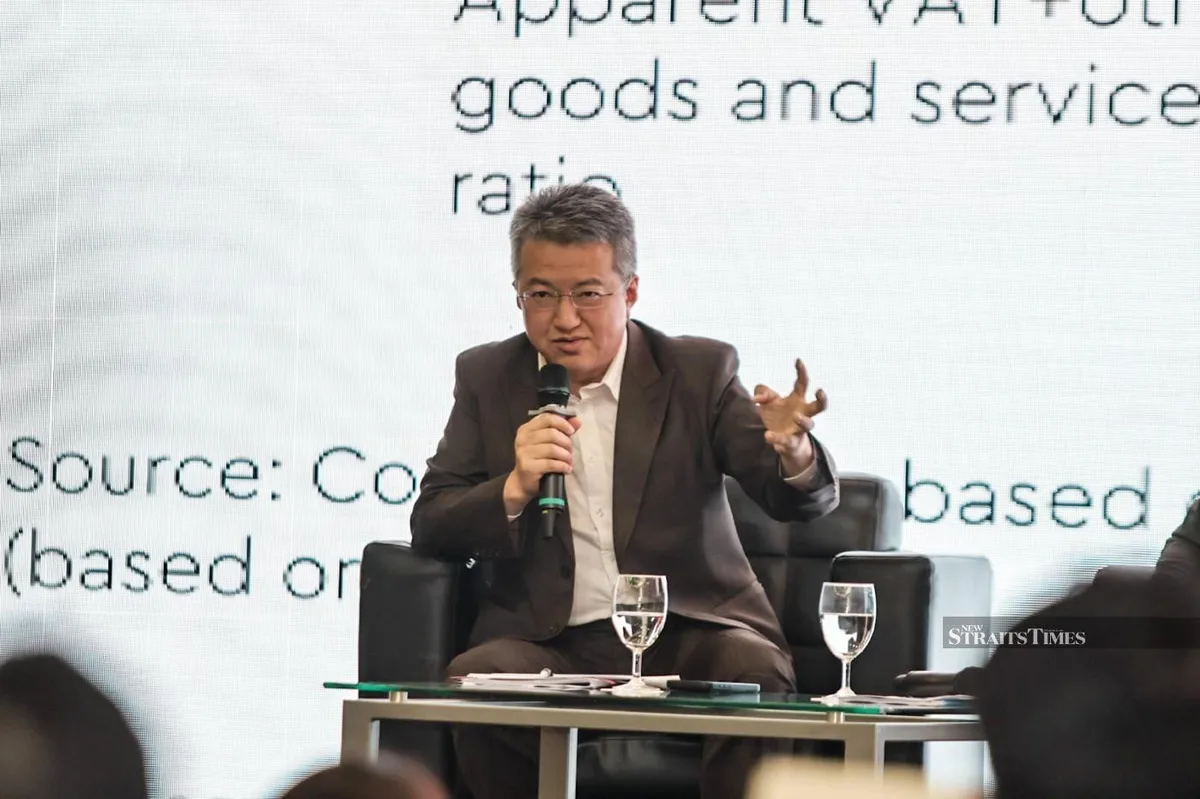
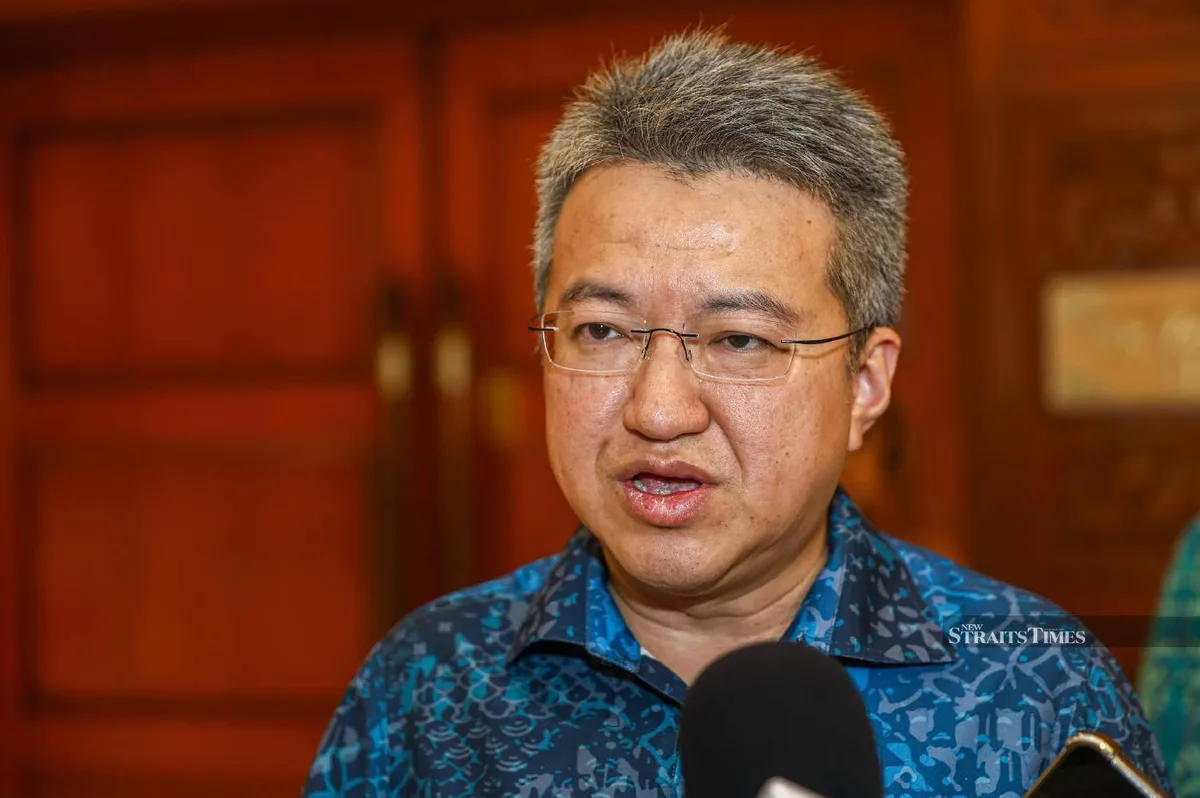
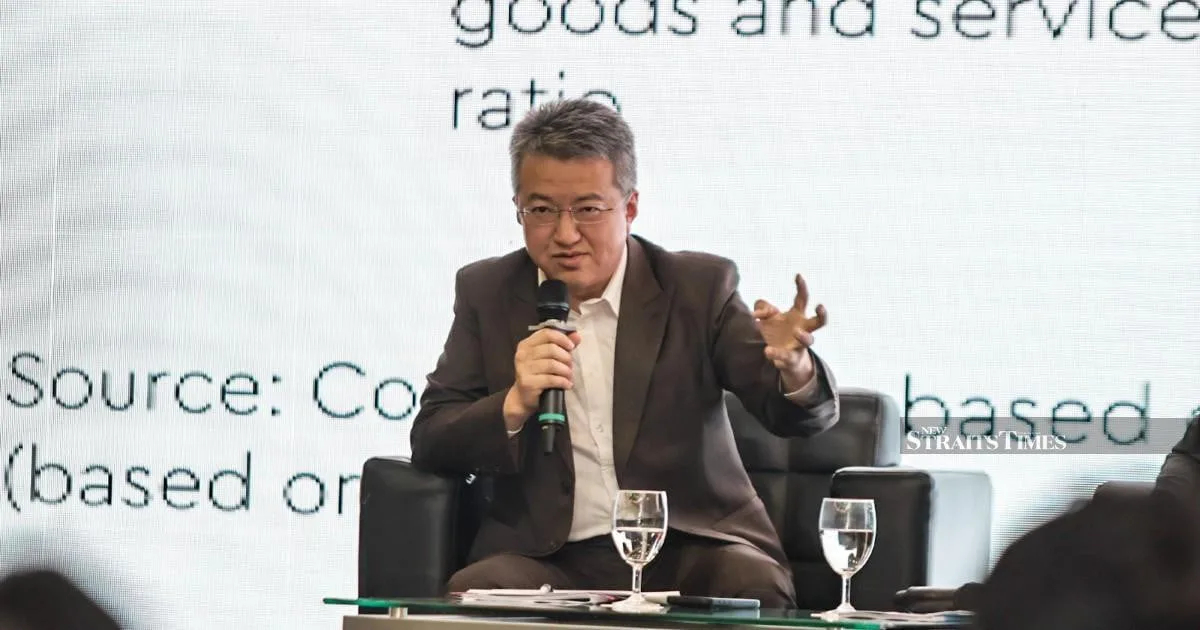
Deputy Finance Minister Liew Chin Tong emphasized the need to grow Malaysia’s economy alongside responsible lending to manage household debt, stating, "If GDP expands significantly, then the existing level of debt becomes smaller relative to the size of the economy" [8]. He also highlighted the importance of raising female workforce participation to accelerate income growth, saying, "The quickest way to raise household income is to have two income earners instead of one" [9].
Liew further advocated shifting lending away from collateral-based models toward financing that recognizes intellectual property and innovation, noting Malaysia is exploring alternative financing to support technology and IP-based businesses [10].
The next major milestone is the completion of Malaysia’s household debt monitoring and related assistance programs this year, as the government and Bank Negara Malaysia continue targeted repayment support for those affected by the Middle East conflict [5, 6, 7].