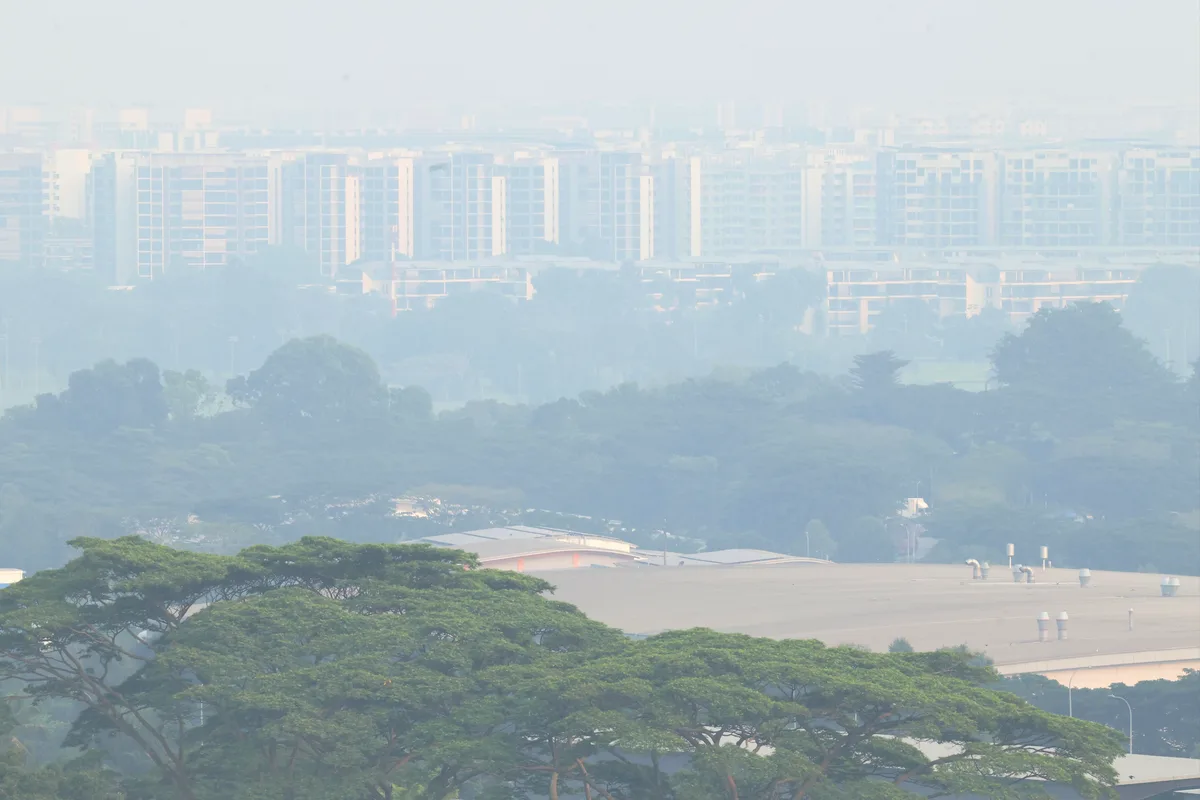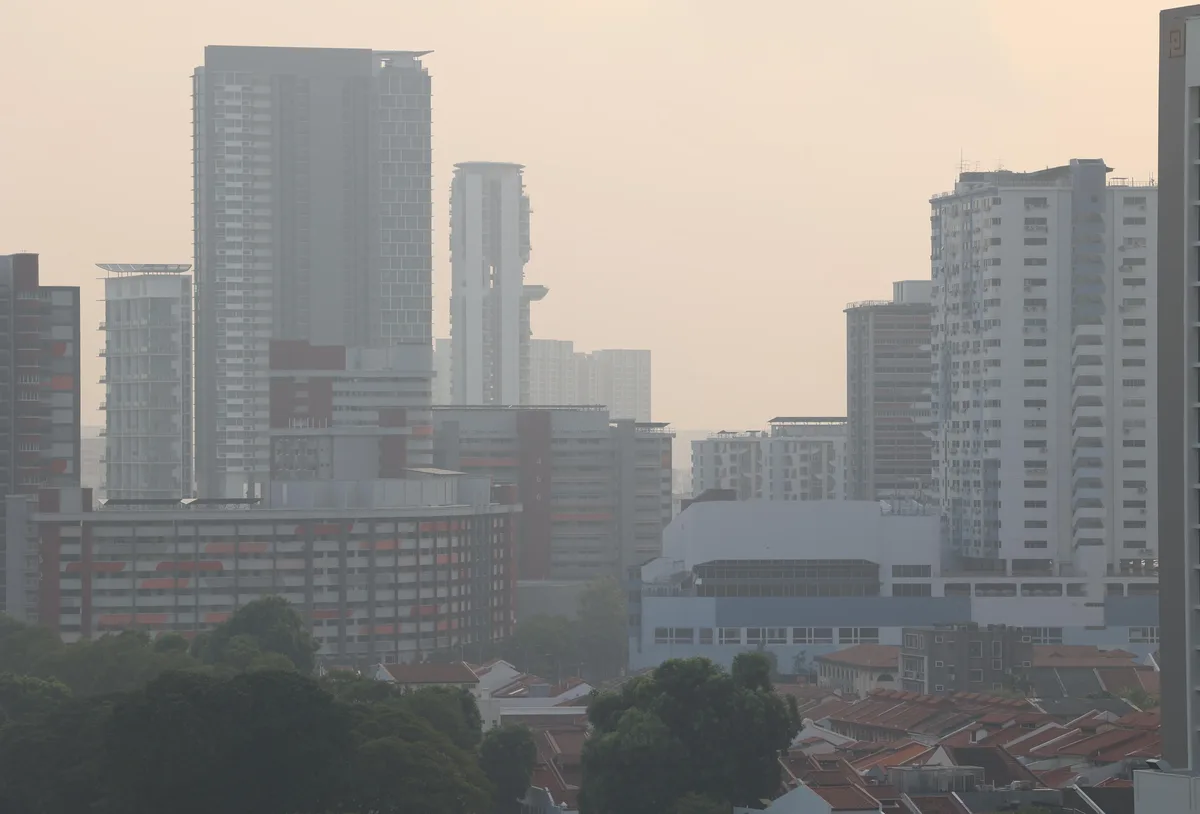
Multiple areas in Sarawak, including Serian, Sri Aman, Kuching, and Samarahan, recorded very unhealthy to hazardous Air Pollutant Index (API) readings from late August into early September 2026 [1, 2, 3, 4, 5, 6, 7]. On August 30, Serian registered a hazardous API level of 364, with other Sarawak areas exceeding 300 in early September [3, 7]. Sarawak experienced its worst air quality since 2019, peaking at an API of 475, just below the 500 emergency threshold [4, 5, 6, 8]. Sarawak Deputy Premier Datuk Douglas Uggah Embas said an API reading of 500 would trigger a state of emergency, closing all offices except essential services, with the National Disaster Management Agency advising on the declaration [4, 8].
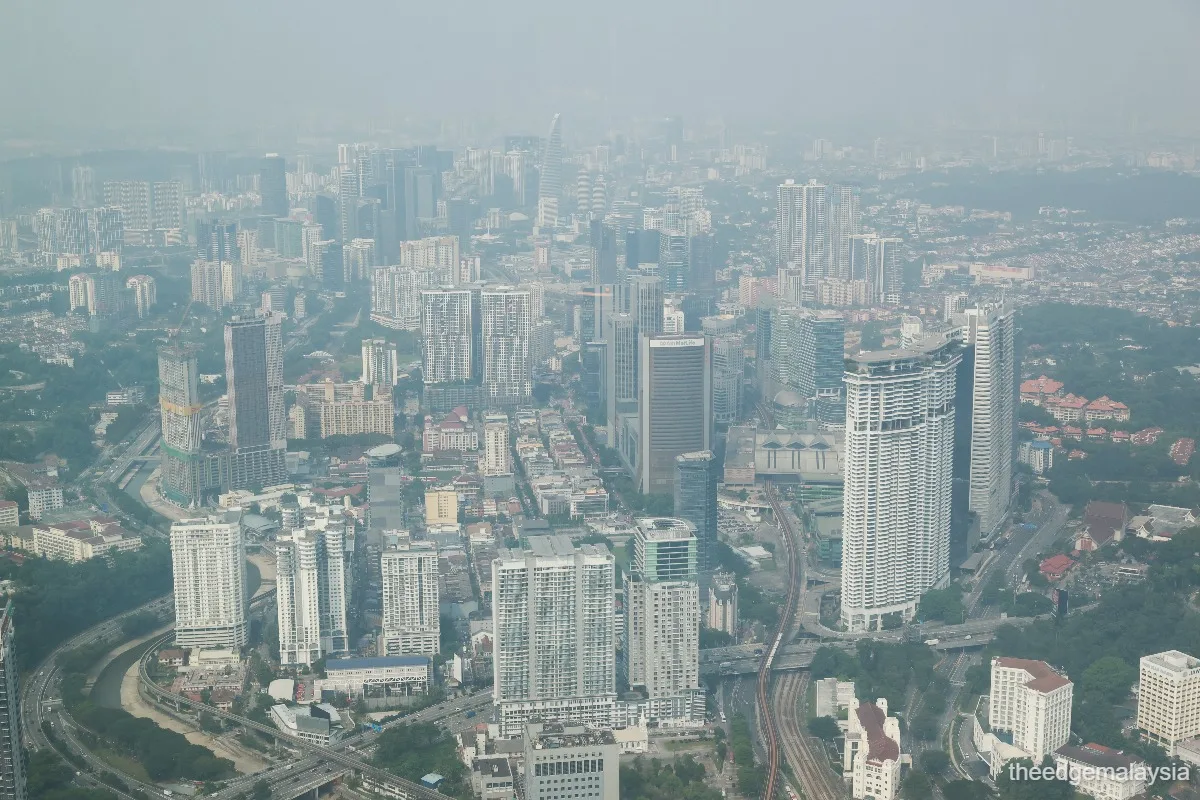
Other Malaysian states including Selangor, Kuala Lumpur, Perak, Johor, Negeri Sembilan, Kedah, Penang, Putrajaya, Perlis, and Sabah also recorded unhealthy API levels in this period [1, 2, 9, 10, 7]. Sabah declared a haze alert by late August, with Kota Kinabalu and Tawau logging unhealthy API readings of 122 and 153 respectively on August 31 [10]. A Sabah Environment Department official noted intensified patrols and enforcement to curb open burning amid hot, dry weather [10].
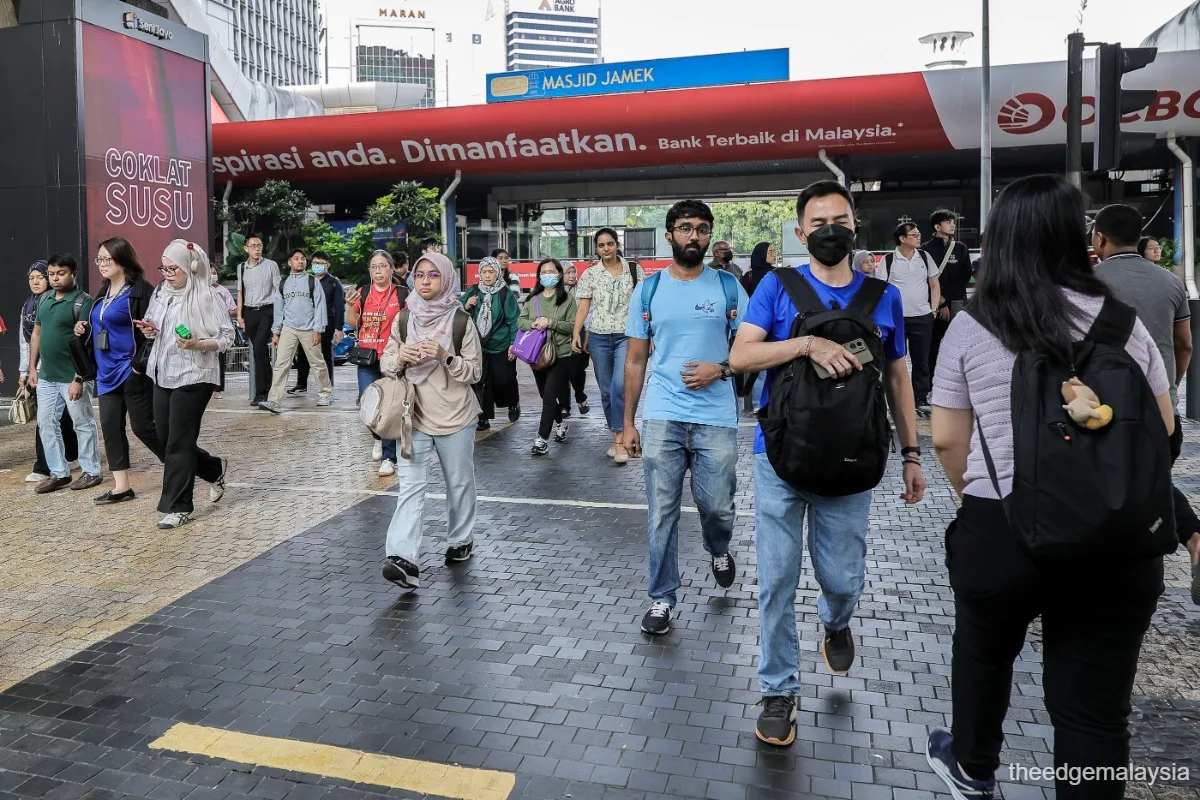
Health officials reported a surge in respiratory cases linked to the haze during epidemiological week 34 (August 23-29), with asthma cases rising to 1,811 from 219 the previous week [9]. The Health Ministry confirmed no deaths had been linked to haze complications but increased monitoring was underway [9]. Authorities advised vulnerable groups to limit outdoor activity, wear N95 masks, stay hydrated, and seek medical care if symptoms worsen [9, 11].
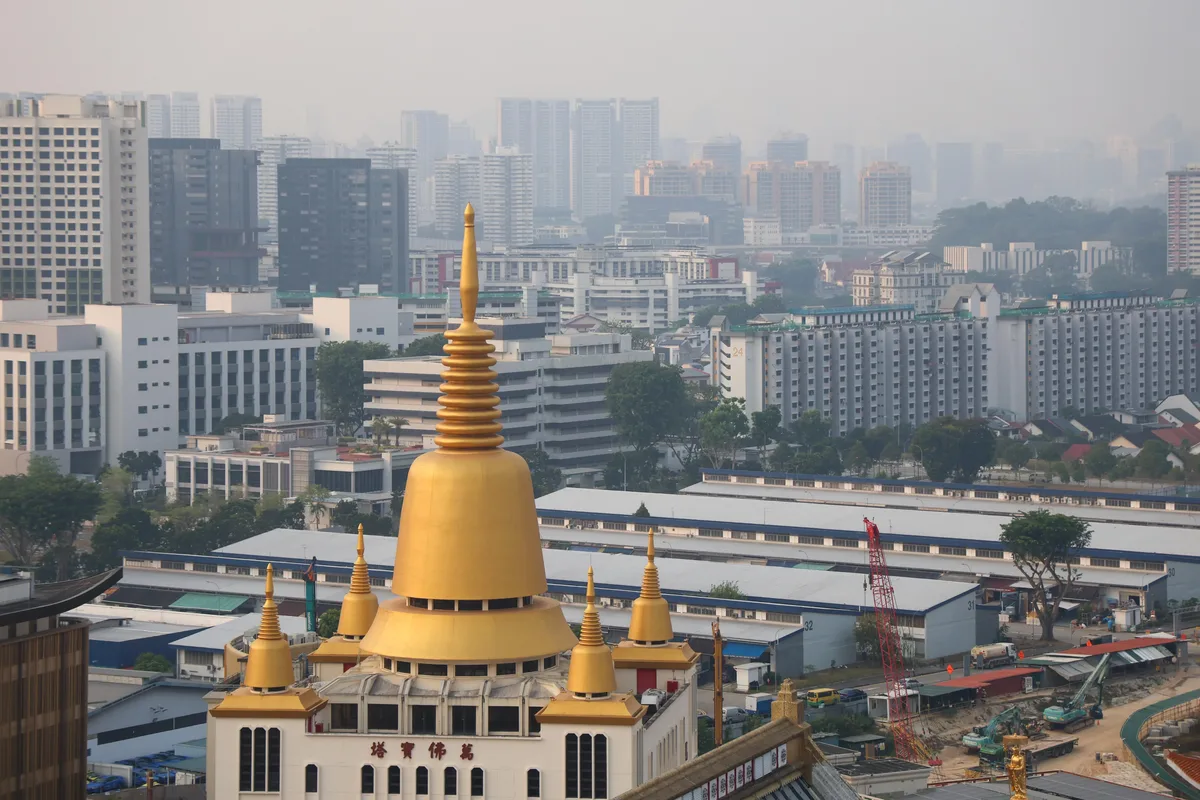
The haze resulted primarily from hotspots and forest fires in Kalimantan and Sumatra. Satellite data on August 28-29 detected 1,738 hotspots in Kalimantan and 36 in Sumatra [2, 10, 11]. Singapore’s central region experienced unhealthy air quality on September 4, with a 24-hour Pollutant Standards Index (PSI) of 101 as haze drifted across borders [11, 12].
Sarawak planned cloud seeding operations from September 3 to 5 to replenish water and reduce haze, dependent on weather conditions [8]. The Deputy Premier reminded residents of the potential emergency if pollution worsened, recalling the 1997 haze emergency impacts on daily life [4, 8].
On August 26, 17 areas in Malaysia had unhealthy API readings, with Sri Aman highest at 167. By August 29, Sri Aman’s API reached 221, and by August 30, Serian hit hazardous levels of 364 while Kuching and Samarahan passed 290 [1, 2, 9, 3, 4, 5, 6]. On September 2, three Sarawak areas recorded hazardous APIs above 300 [7].
Sarawak officials will assess air quality closely this week, with cloud seeding operations scheduled through September 5 to mitigate smoke impacts [8].