Six areas in Sarawak recorded hazardous Air Pollutant Index (API) readings above 300 on September 1, with the Serian district police headquarters hitting the highest level around 374 to 408, the worst in the region so far [1, 2, 3, 4]. Other parts of Sarawak, including Mukah, Bintulu, and Samalaju, had very unhealthy air quality with API readings between 201 and 300 [1, 2, 4, 5, 6]. Many locations in Sarawak, Sabah, Labuan, Selangor, and Peninsular Malaysia reported unhealthy pollution levels, ranging from 101 to 200 on the API scale [1, 7, 2, 4, 8, 9, 5, 6].
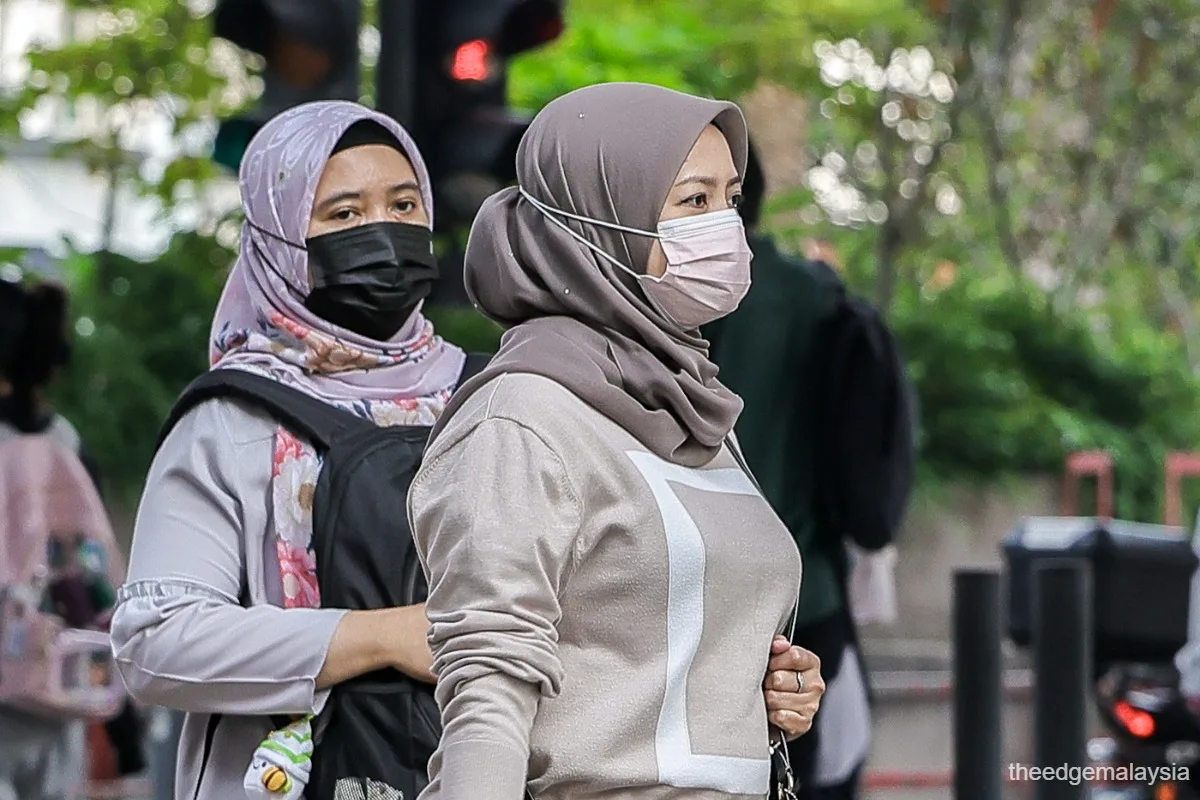
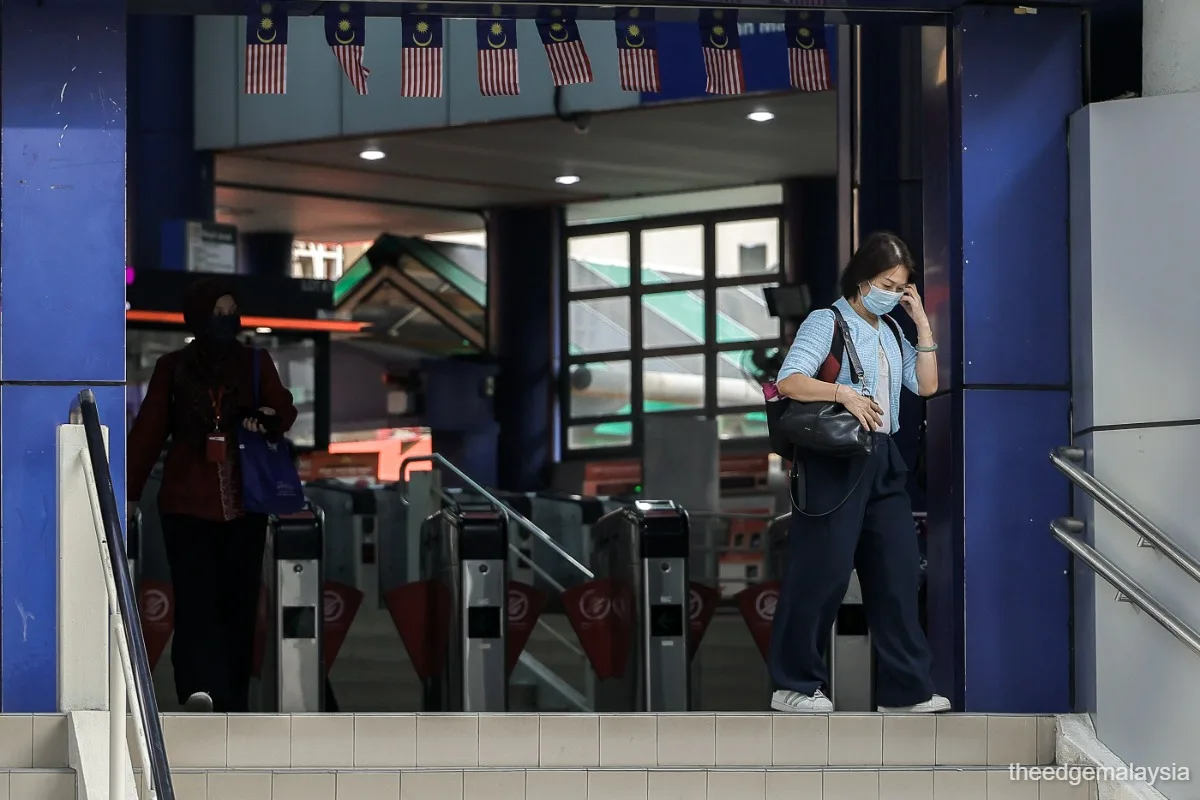
Due to API readings nearing 200 in Kota Kinabalu, Keningau, and Papar, Sabah's state government activated disaster operation centres on September 2. Authorities considered closing schools, following the Malaysian National Haze Action Plan, which mandates immediate closure of schools, kindergartens, and childcare centres once API exceeds 200 [7, 8, 9]. DOE deputy director-general Azuri Azizah Saedon said, "Schools, kindergartens and childcare centres will be closed immediately when API readings exceed 200, while all outdoor activities must stop when readings exceed 100" [8]. Health advisories have urged vulnerable groups, including children, elderly, pregnant women, and those with respiratory conditions, to avoid outdoor activities and wear masks in Sabah and Sarawak [10, 7, 11, 9].
Indonesian forest fires on Kalimantan and Sumatra have caused the widespread haze. Nearly 10,000 fire hotspots were detected in August alone, about ten times the count of the past two years, and over 200,000 hectares have burned this year [10, 12, 3]. The haze forced 12,874 schools to close across Indonesian provinces on Sumatra and Borneo, disrupting 1.43 million students who had to shift to online learning from September 1 to 5 [12].
Residents have described the severe impact of the haze. Kuching resident Mia Emylia Hassan said, "The air here is very thick. It smells like smoke, and it’s just white all over. We have not seen blue sky for over a month." She shared how her infant's health suffered, adding, "She’s been on medication this whole month, and she has been coughing and vomiting. Twice, the family has had to rush the infant back to the emergency room because she could not breathe. It’s a mini heart attack for us every time" [3].
The haze also affected the Philippines, where parts of Metro Manila, including Quezon City, recorded acutely unhealthy air. Classes were suspended on September 1 as a result. Atmospheric physicist Gerry Bagtasa explained, "The haze was dangerous because it was made up of tiny particles carried by southwesterly winds" [10, 11].
Sarawak plans to conduct cloud seeding operations from September 3 to 5 to induce rainfall and mitigate haze effects while boosting water reservoir levels [10]. Sarawak deputy premier Douglas Uggah Embas stated, "Should an emergency be declared, all offices as well as public and private sectors in the affected areas will be closed, with only essential services allowed to operate" [10].