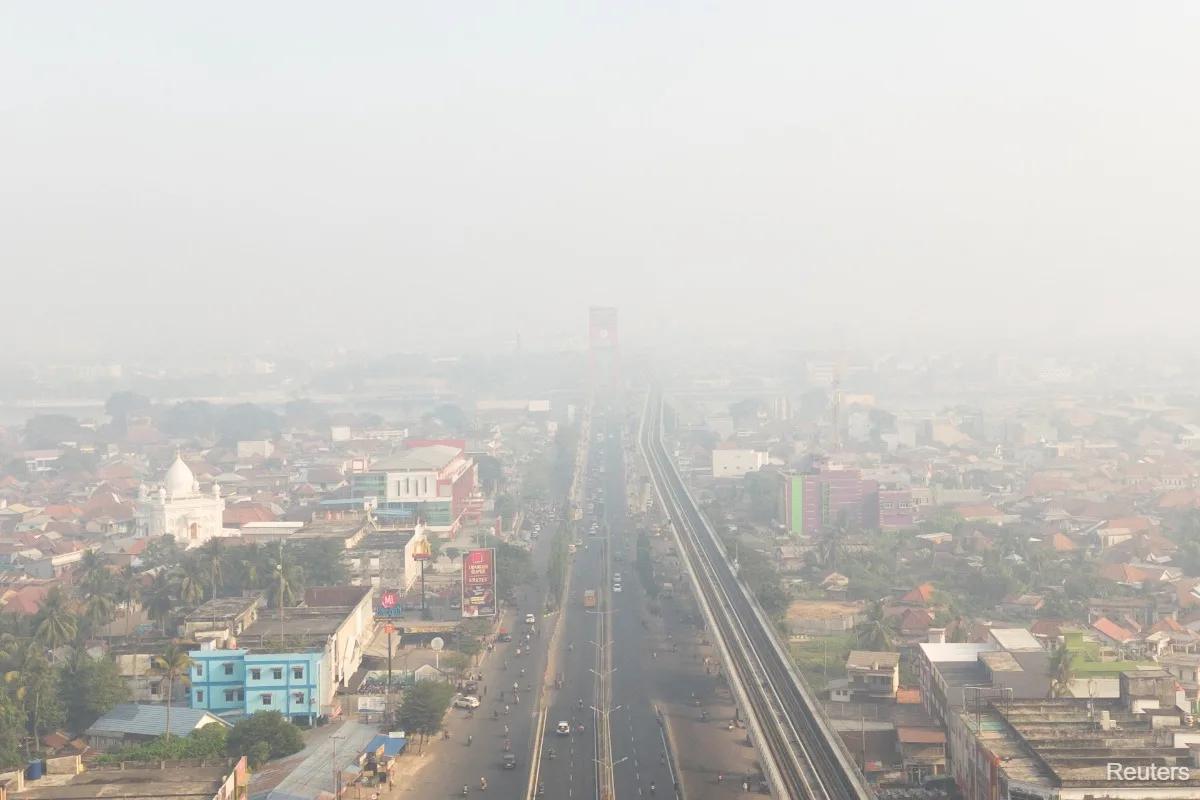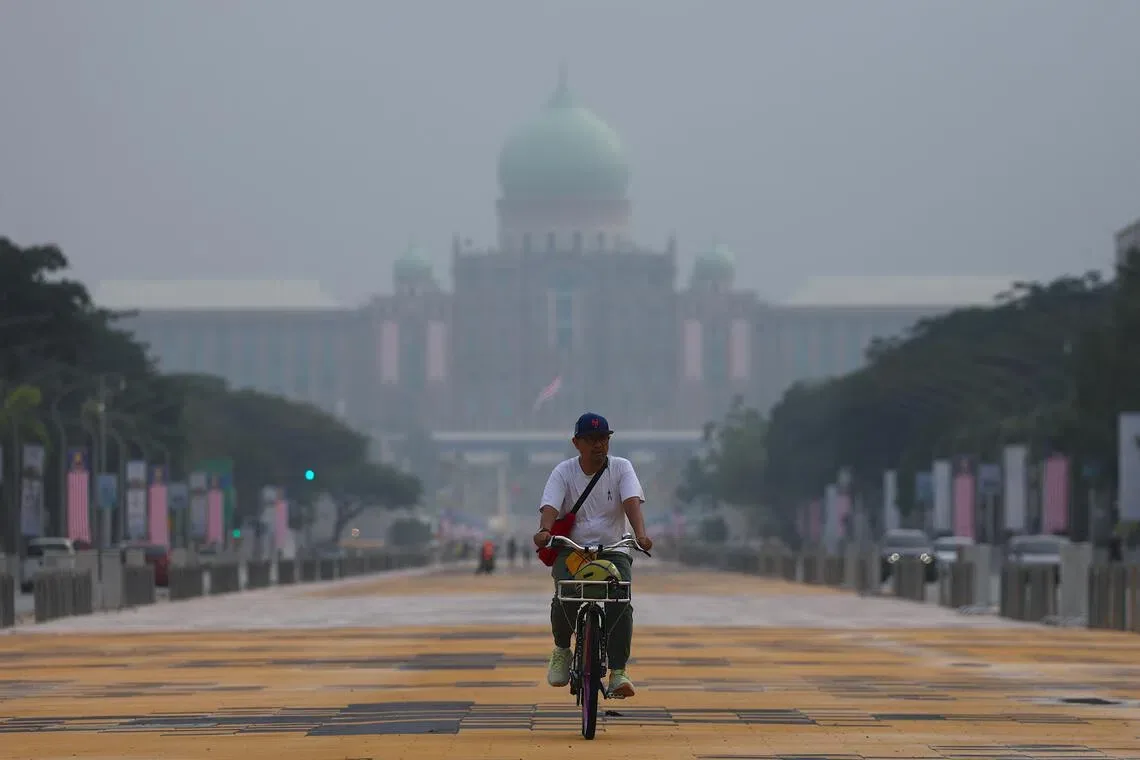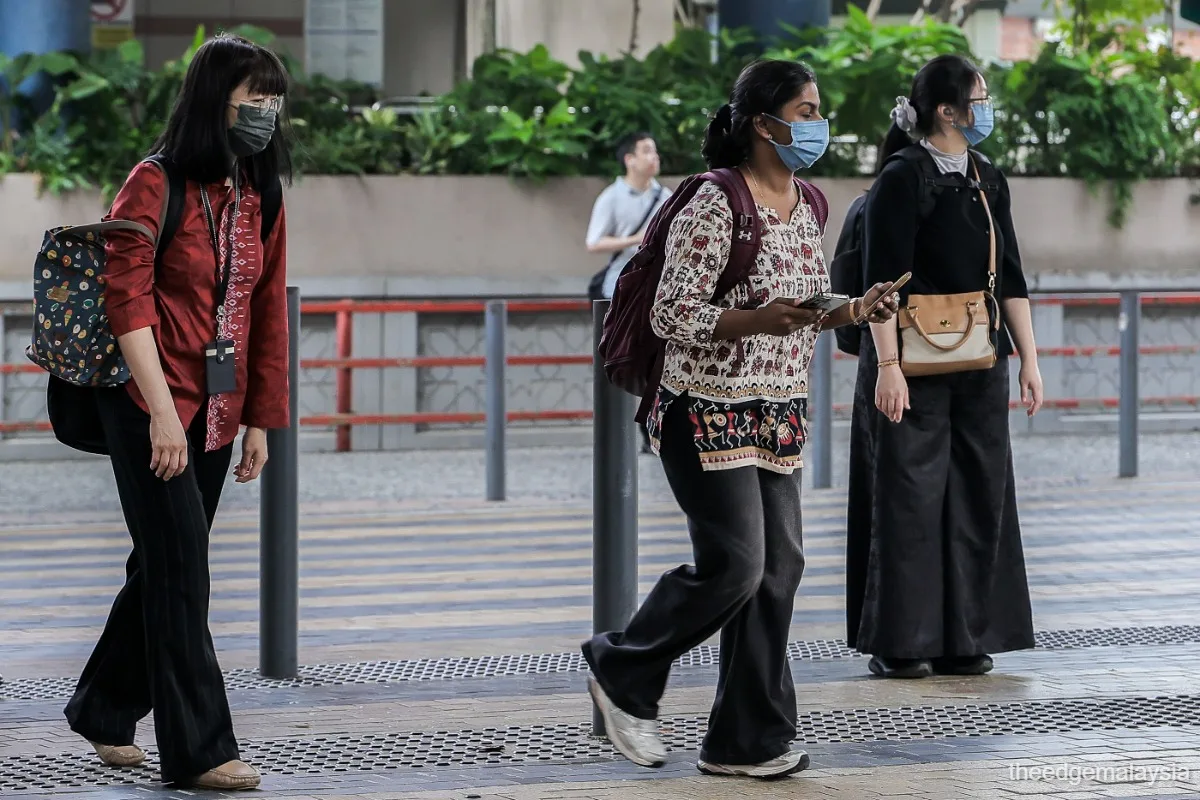
Multiple areas in Malaysia recorded unhealthy Air Pollutant Index (API) readings between August 23 and 26, with Sarawak, Selangor, Kedah, Perak, Penang, Johor, Putrajaya, and Kuala Lumpur affected by haze carried from Indonesian forest fires [1, 2, 3, 4, 5, 6, 7, 8, 9, 10, 11].
Sarawak was the worst-hit state. Serian recorded the highest API readings in Malaysia, hitting between 180 and 194, nearing very unhealthy levels [1, 2, 3, 4, 5, 6, 7, 8, 9, 10, 11]. Johan Setia and Shah Alam in Selangor; Sungai Petani and Alor Setar in Kedah; Taiping and Tanjung Malim in Perak; Minden and Balik Pulau in Penang; several locations in Johor; Putrajaya; and Kuala Lumpur also faced unhealthy air quality [2, 3, 5, 8, 9, 10, 11].
According to classification guidelines, API values between 101 and 200 are considered unhealthy, 201 to 300 very unhealthy, and above 300 hazardous [1, 2, 3, 4, 6, 7, 8, 9, 11]. While no Malaysian areas reached very unhealthy or hazardous levels during this period, health authorities warned sensitive groups to limit outdoor activities. Health Minister Datuk Seri Dr Dzulkefly Ahmad said the ministry recorded a sharp rise in asthma cases by 259% and upper respiratory tract infections by 124% linked to the haze [5, 12].
Satellite data revealed widespread agricultural fire hotspots in Sumatra, Indonesia. Strong south-west monsoon winds carried dense haze to Malaysia, especially impacting the west coast and Sarawak [2, 3, 5, 8, 12]. Indonesian provinces including Central Kalimantan, South Sumatra, Jambi, Riau, and several Kalimantan provinces declared emergency alert status amid forest fires. Central Kalimantan recorded hazardous API readings as high as 573, affecting 3.4 million people. Over 805 high-confidence fire hotspots were detected as of August 25 night [12].
Agus Jamaludin, Head of Indonesia’s Health Crisis Centre, noted that these provinces are under emergency alert, not emergency response, and firefighting efforts are ongoing to reduce the haze [12]. Indonesian President Prabowo Subianto personally oversees the firefighting operation [12, 5].
The Malaysian Meteorological Department director-general, Dr Mohd Hisham Mohd Anip, said the haze affecting large parts of Malaysia would not clear until open burning in neighboring countries is controlled [8]. Malaysia updates API data hourly from 68 air quality stations nationwide [1, 4, 6, 7, 9, 11].
On August 23, seven areas in four states first recorded unhealthy API levels, with Serian at 194 [4]. By August 24, ten areas registered unhealthy readings, including Serian 194, Kuching 176, and Johan Setia 160 [1, 6, 7]. That same day, Indonesian Central Kalimantan hit a hazardous 573 API reading [12]. On August 25, about 30 Malaysian areas showed unhealthy air, with Serian at 180 [2, 3, 9, 10]. On August 26 afternoon, unhealthy areas declined slightly to 29, with Serian police headquarters still at 182 [11].