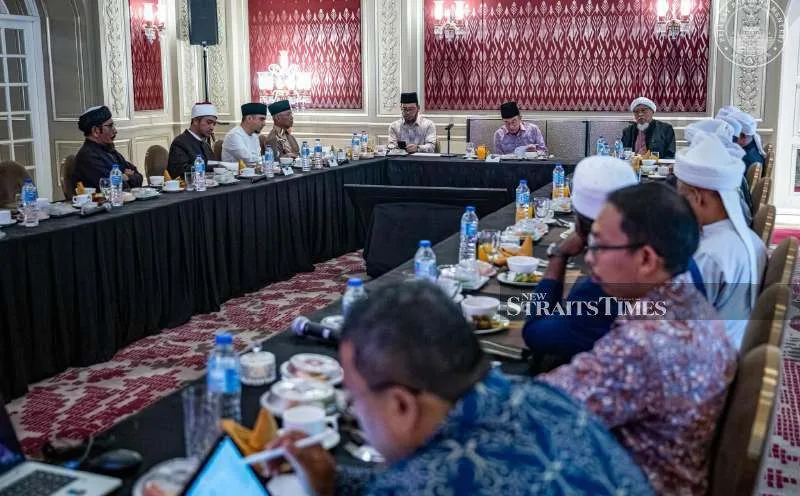
Tenaga Nasional Bhd (TNB) commenced development of a new 500-kilovolt (kV) National Grid Backbone transmission line on August 28, 2026, in Maran, Pahang. The launch event for the 500kV Transmission Main Intake Substation (PMU) Kampung Awah was officiated by Pahang Menteri Besar Datuk Seri Wan Rosdy Wan Ismail and attended by TNB President and CEO Datuk Ir Ts Shamsul Ahmad [1, 2].
The National Grid Backbone will stretch approximately 500 kilometers across Peninsular Malaysia. It will connect key eastern states including Kelantan, Terengganu, Pahang, Negeri Sembilan, and Johor, forming the longest 500kV transmission system in the country when completed by 2030 [1, 2].
PMU Kampung Awah will serve as a strategic transmission node within the grid, enhancing capacity, inter-regional power transfers, and the resilience and reliability of Malaysia’s electricity network [1, 2]. The project aims to meet growing electricity demand while accelerating the nation’s transition to cleaner energy sources.
During the first half of 2026, TNB invested RM5.6 billion in projects focused on reliability and supply security. The company is committed to operational excellence and financial discipline amid global energy market volatility, CEO Shamsul Ahmad said. He highlighted that their performance "enables us to continue investing in critical infrastructure that not only powers households and businesses, but also strengthens national energy security, accelerates energy transition, and ensures we continue delivering reliable and secure electricity while creating value for our customers, shareholders and the nation" [3].
In addition to infrastructure investment, electricity customers benefited from RM3.1 billion in rebates through the Government's Automatic Fuel Adjustment mechanism from July 2025 to April 2026. Starting May 2026, an additional RM435 million was allocated from the Electricity Industry Fund to ease impacts amid the West Asia conflict [3].
The National Grid Backbone project is expected to support industrial and commercial growth and generate opportunities across Malaysia's local supply chain in areas such as engineering, construction, and operations [1, 2].
Work on the transmission line will continue toward full completion by 2030, securing Malaysia’s electricity future through enhanced grid capacity and regional connectivity.