The US Trade Representative (USTR) is reviewing Malaysia’s trade practices, citing concerns about forced labour and excess capacity. The agency has proposed a 10% tariff on certain Malaysian exports as a possible trade sanction [1, 2].
To counter the tariff threat, Malaysia must strengthen enforcement and improve verification across supply chains. This includes enhanced audits and increased transparency in certificates of origin for goods shipped to the US [1, 2].
Although Malaysia already has legal frameworks such as the Customs Act 1967 and the Strategic Trade Act 2010 to regulate trade, officials say the main challenge lies in operational capacity. GK Ganesan Kasinathan noted, "With respect, the powers are not limited. What is limited is our capacity to verify what passes through our own ports" [1].
Since May 6, 2025, the Malaysian ministry has been the sole issuer of non-preferential certificates of origin for exports destined for the US. This measure aims to reduce risks from transshipment fraud, where goods are routed through third countries to obscure their true origin [1, 2].
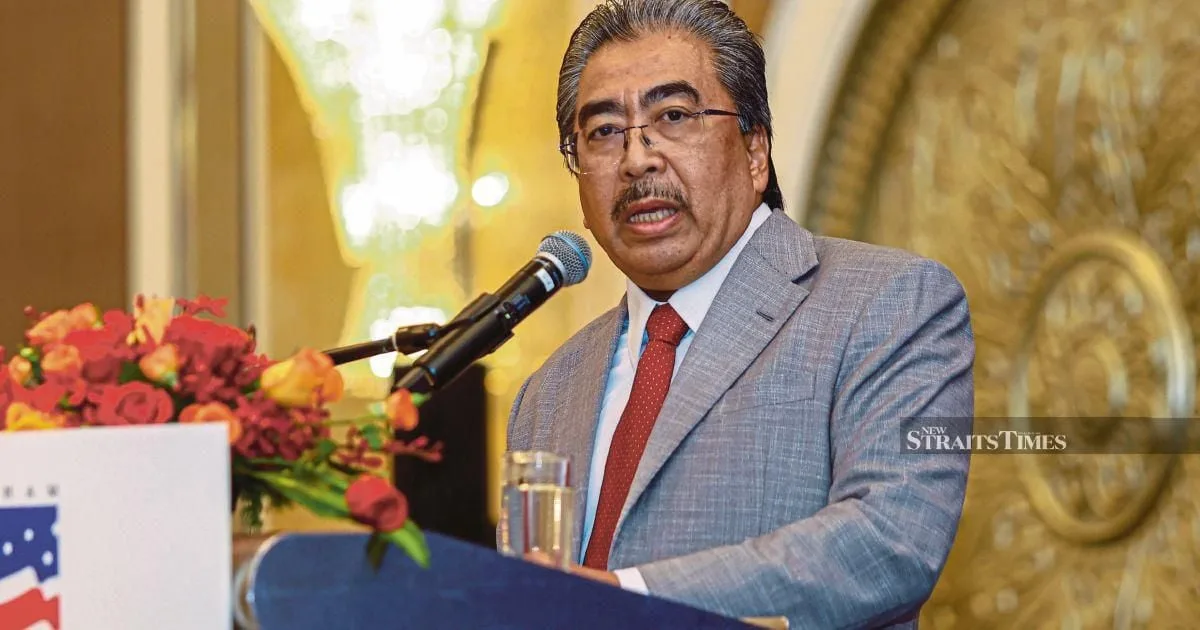
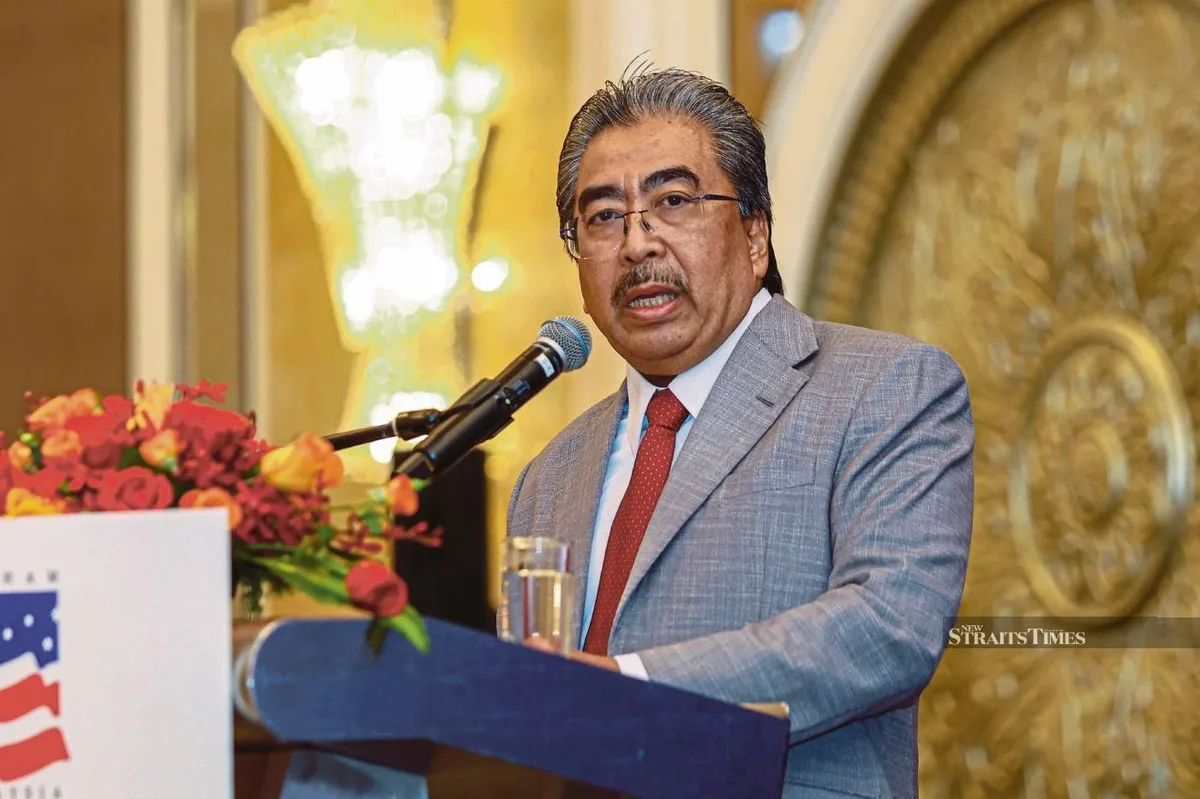
Despite geopolitical tensions and tariff threats, business leaders and government officials express confidence in Malaysia-US trade relations. Datuk Siobhan M Das stated, "Malaysia is one of the most competitive places to be, supported by strong institutions and the rule of law" and highlighted that "Malaysia's exports to the United States are very strong. I do not have a crystal ball to tell whether that momentum will continue this year, but as far as we are concerned, the relationship between the two countries is good" [3].
Malaysia currently enjoys a trade surplus of approximately US$22 billion with the United States. The country remains a favored investment destination for international investors and American businesses due to its robust institutions and competitive position [3].
The US review and potential tariff action remain ongoing, with Malaysia expected to improve enforcement and verification efforts to address USTR concerns and maintain stable trade ties.