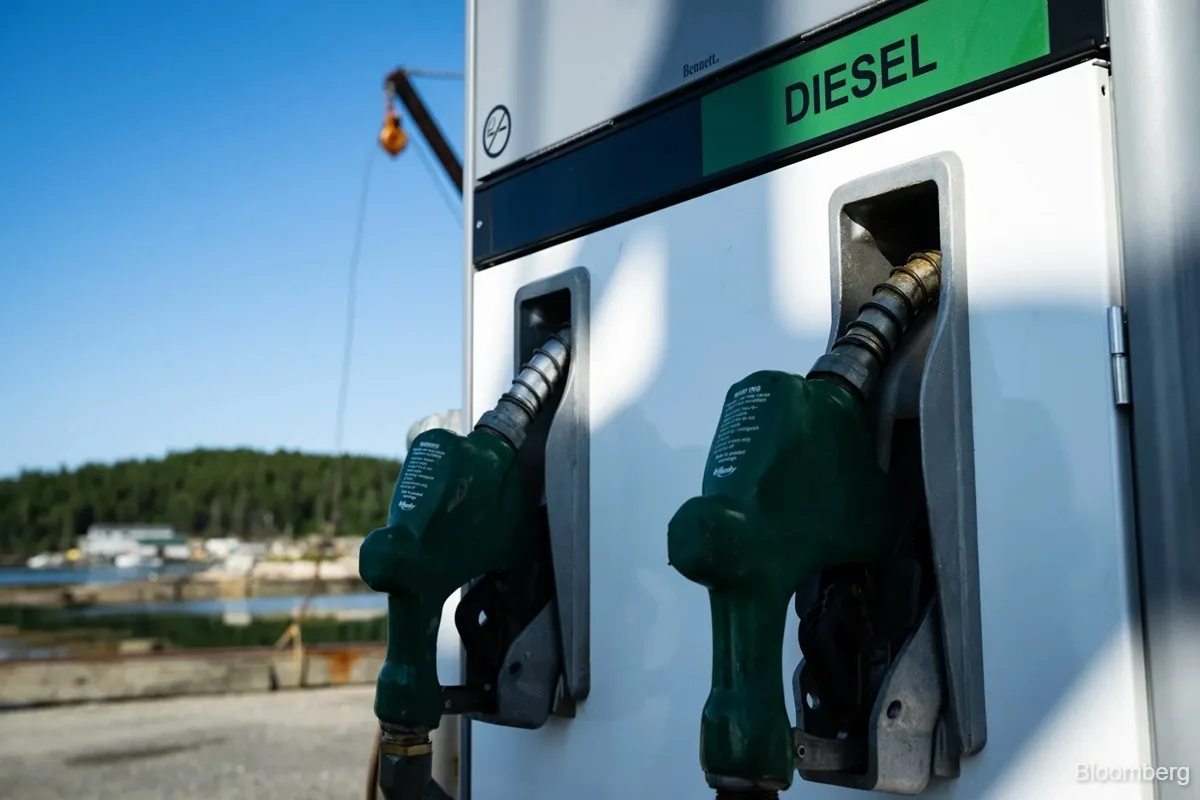
US diesel retail prices climbed to about $5.85 per gallon on September 4, marking a nearly 60% increase from last year’s $3.71 and surpassing a previous peak of $5.688 reached in early August [1, 2]. In California, prices soared even higher, reaching $7.70 per gallon as of this week [2].
The price surge comes as refinery shutdowns and export bans tied to conflicts in Ukraine and renewed US-Iran tensions reduce global diesel supply. Russian refineries experienced damage from Ukrainian drone attacks in August, prompting Moscow to ban diesel exports and cutting around 800,000 barrels per day from world markets [3, 2]. Meanwhile, tanker attacks and strikes by Iran-backed Houthi forces on Saudi Arabian energy infrastructure have disrupted another estimated 1.2 million barrels daily [2].
Combined refinery outages total approximately 5 million barrels per day of lost capacity. Global diesel demand runs about 28 million barrels a day, meaning roughly 8% of the market has been upended by these conflicts [2].
Refiners face challenges in replacing lost supply amid geopolitical turmoil. US President Donald Trump held closed-door talks urging increased diesel and gasoline output to ease rising prices [1]. Analysts note diesel’s critical role across transportation, agriculture, heating, and industry, making its price especially impactful. Bob McNally of Rapidan Energy explained, "Diesel is the fuel that is the most embedded in the economy, more than gasoline prices... It is the important macro fuel to watch" [2].
In the UK, farmers have faced an "astronomical" jump in diesel costs since early September. Alex Harrison of Fram Farmers said, "The price of all fuels had gone up by 'an astronomical amount in just a few days', rising by between 10p and 14p a litre since Monday." Red diesel prices reached about £1.10 per litre as farmers cope with volatile wholesale markets by ordering fuel more frequently in smaller amounts [3].
John Kilduff of Again Capital highlighted diesel’s essential role noting, "You can do all the virtual shopping you want, it's all going to come to your house on a truck that ran on diesel fuel so there's no way around it." Andy Lipow of Lipow Oil Associates further described diesel as a "stealth tax" passed onto consumers through higher prices for goods delivered by truck and rail [2].
The next major pricing update and supply assessment is expected in the coming weeks as refiners adjust to the ongoing conflict-driven disruptions and potential policy responses.