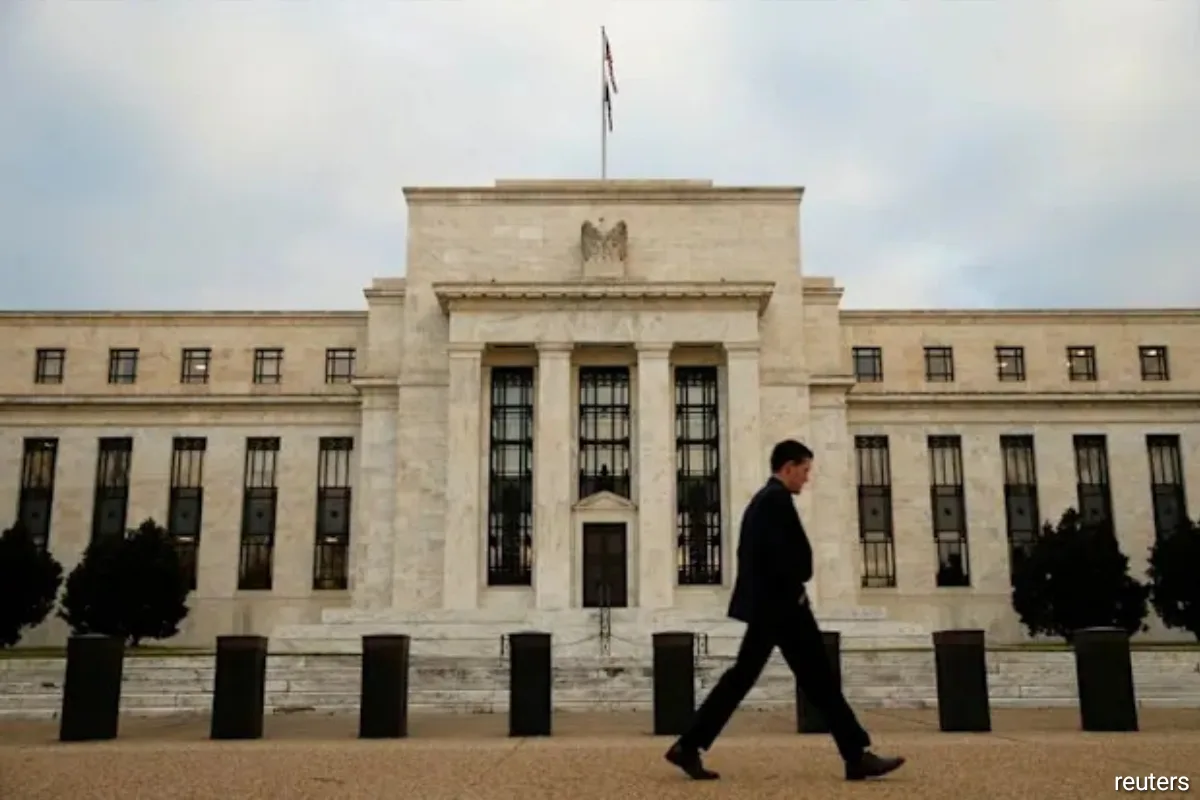
US consumer inflation slowed more than expected to 3.5% year-on-year in June, with the headline CPI falling 0.4% month-on-month—the first monthly decline since April 2020 [1, 2, 3]. Softer inflation data cut the probability of a July Federal Reserve rate hike roughly in half, with chances dropping from about 45% to between 11% and 16%, though a hike in September remains likely at 70% [1, 2, 3, 4, 5]. The US dollar index eased from a two-week high set in early July, hovering between 100.5 and 100.9 amid subdued expectations for near-term rate increases and mounting geopolitical tensions in the Middle East [1, 2, 3, 4, 5].
Tensions between the US and Iran escalated in early to mid-July, as the US reinstated a naval blockade on Iranian ports and conducted fresh strikes against Iranian targets [1, 2, 3, 5]. These hostilities drove oil prices to near one-month highs, sustaining inflation risks despite the cooling US consumer prices [1, 2, 3, 5].
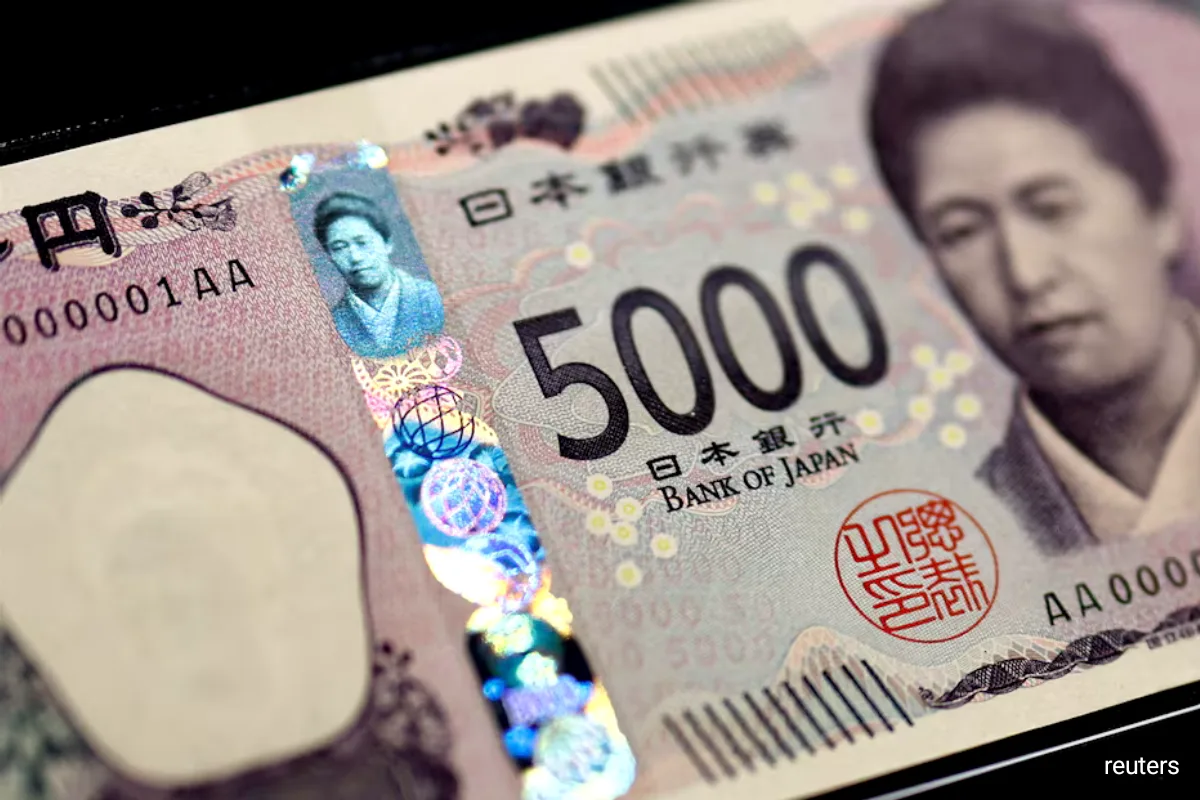
In Japan, nearly half (49%) of surveyed firms reported negative business effects from the Bank of Japan’s interest rate increases, citing higher borrowing costs and reduced capital spending [6]. The BoJ raised its short-term policy rate to 1.0% in June, the highest in 31 years, signaling readiness to tighten further amid rising inflation pressures from energy shocks [6, 7]. Japanese households’ inflation expectations hit a record high in June, with 90.4% forecasting price rises within the next year, reinforcing calls for continued rate hikes [7]. BoJ executive director Koji Nakamura said, "When upside price risks are high as in the case now, a delay in making necessary adjustments to the degree of monetary support could materialise such risks and weigh on the economy" [7].
Malaysia’s ringgit weakened against the US dollar on July 14 to a range of around 4.0760–4.0800 USD/MYR ahead of the US inflation data and amid Middle East tensions, reflecting cautious investor sentiment [8]. However, the ringgit strengthened on July 15 and 16, reaching approximately 4.0655–4.0740, buoyed by the softer US inflation report, expectations of Malaysia’s Q2 GDP growth above 5%, and easing geopolitical risks [9, 10]. Bank Muamalat Malaysia chief economist Dr Mohd Afzanizam Abdul Rashid said, "The main highlight was the US consumer price index (CPI), which recorded its largest monthly decline since May 2020... The Ringgit has room to strengthen further today" [9]. Ringgit moves against other major and regional currencies were mixed during mid-July, affected by US data, geopolitical tensions, and China’s slowing growth [8, 9, 11, 10].
Fed Chair Kevin Warsh testified to Congress on July 15 emphasizing no tolerance for elevated inflation and the Fed’s readiness to act if needed [1, 2, 3]. On July 16, a Bank of Japan survey showed record-high household and rising corporate inflation expectations [7]. The ringgit extended gains that day on softer US producer price index data and Fed comments dampening rate hike bets [10].