US and Iranian forces exchanged missile and drone attacks along with clashes near the Strait of Hormuz from July 12 to 13, escalating hostilities between the two countries. Iran announced it had closed the critical shipping route over the weekend before July 13, intensifying tensions in the Middle East [1, 2, 3].
Following the escalation, US crude oil prices rose about 4.5% on July 13, reaching $74.65 per barrel, while Brent crude climbed approximately 4.5% to either $79.44 according to one source or $78.49 per barrel according to another [1, 2]. The rise in oil prices reflected concerns over disrupted supply given the importance of the Strait of Hormuz for global energy shipments.
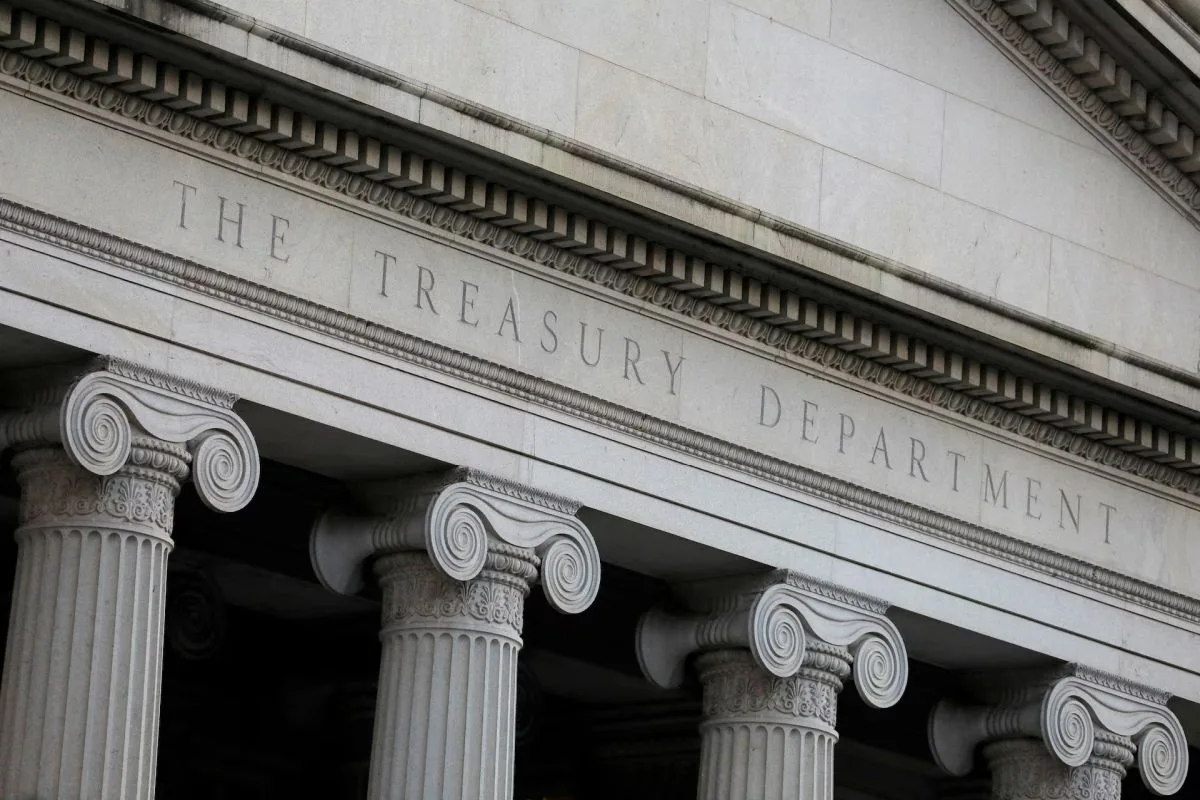
The US Treasury market reacted with the 10-year Treasury yield rising to its highest level since late May, hitting about 4.6% on July 13 as investors recalibrated their inflation outlook amid geopolitical risks [1]. Meanwhile, the US dollar strengthened against major currencies on the same day. The DXY index rose roughly 0.1-0.19% to around 101, with the dollar reaching about 161.92 Japanese yen, driven by the rising oil prices and geopolitical uncertainty [2, 3].
Market participants increased expectations for further Federal Reserve interest rate hikes by the end of 2023. The probability of at least two additional hikes reached about 52.1%, reflecting concerns that energy-driven inflation could prompt the Fed to tighten monetary policy further [2]. Tony Sycamore, a market analyst at IG, said, "After the flare-up into the end of last week which continued over the weekend, the dollar has responded, and the crude oil price has been the driver. This reinflames concerns that if the energy prices rise from here, we could start to see rate hikes pulled forward" [2].
Jim Barnes, director of fixed income at Bryn Mawr Trust, highlighted the impact of the Strait of Hormuz situation: "The big thing right now is the Strait of Hormuz, and what the impact that's going to do to energy prices, and then the long-lasting impact to inflation, and then just overall bond yields in general and Fed policy and so forth" [1].
The US Consumer Price Index (CPI) for June was scheduled for release on July 14, drawing heightened market attention amid these geopolitical and price shifts [1, 2]. The CPI data is expected to provide clarity on inflation trends and influence Federal Reserve policy decisions in the near term.