Some US liquefied petroleum gas (LPG) buyers canceled shipments originally destined for Asia as freight rates surged following the Middle East conflict, sources said [1, 2]. At least two cargoes scheduled for loading in June from US Gulf Coast export terminals were canceled, with discussions underway to terminate additional shipments [1, 2].
The ongoing war involving Iran has nearly closed the Strait of Hormuz, cutting off LPG flows from the Persian Gulf. This disruption forced Asian buyers to increase their reliance on US supplies [1, 2]. However, a key profitability indicator, the Far East Index-Mont Belvieu differential, has narrowed amid soaring shipping costs, reducing traders' margins on exports to East Asia [1, 2].
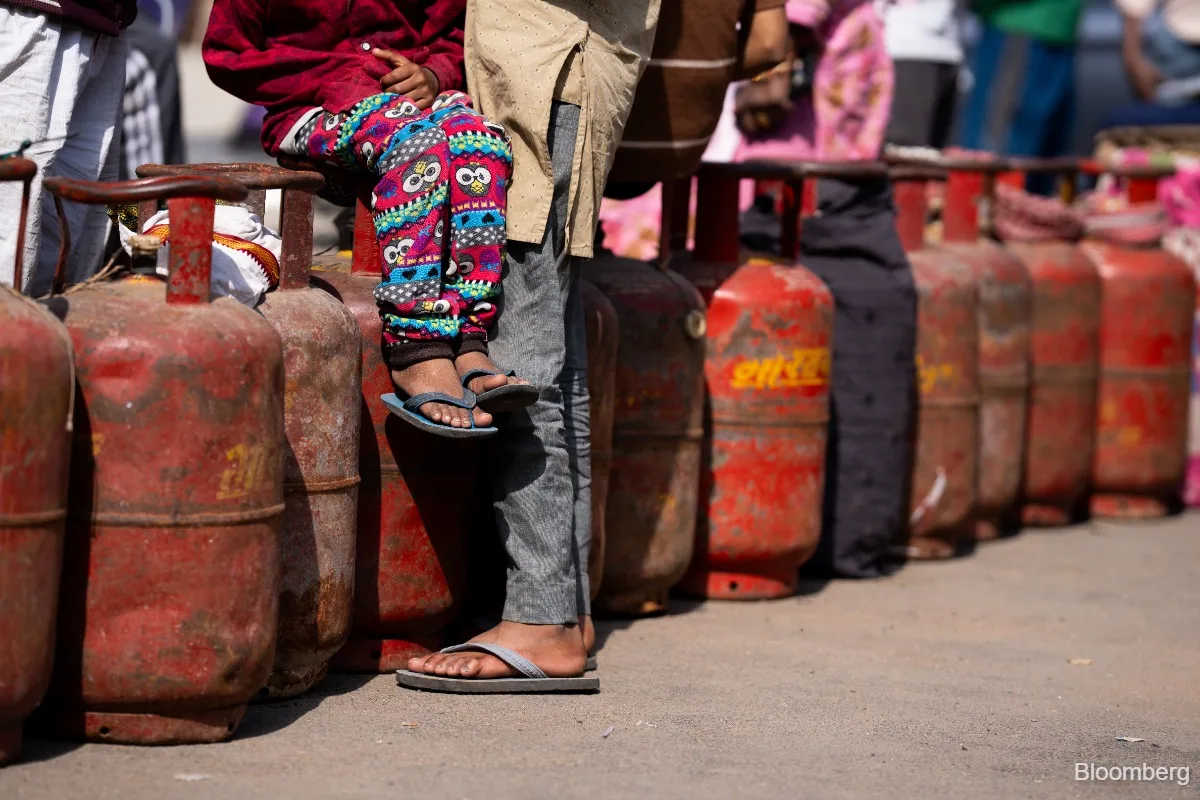
India, which previously imported 90% of its LPG from the Middle East, is seeking to replace lost supplies with US cargoes. Yet the higher freight and procurement costs are squeezing state-run refineries in India [1, 2]. LPG serves as a crucial cooking fuel for Indian households and commercial kitchens while also powering factories across China producing plastics [1, 2].
Asian shipments from the US transit via the Panama Canal but now face extended queues or high fees to prioritize passage. Many shippers resort to the longer Cape of Good Hope route, further increasing freight expenses [1, 2]. This combination of restricted Persian Gulf flows and elevated transport costs has disrupted established LPG trade patterns in Asia.
The cancellations in June mark the earliest confirmed impact of these freight pressures on US LPG exports to Asia [1, 2]. Talks continue on terminating further shipments as buyers reassess the economics amid ongoing regional instability.
Market watchers will monitor developments as supply chains adjust under these new geopolitical constraints, with the potential for more cargo cancellations or rerouting expected in the near term.