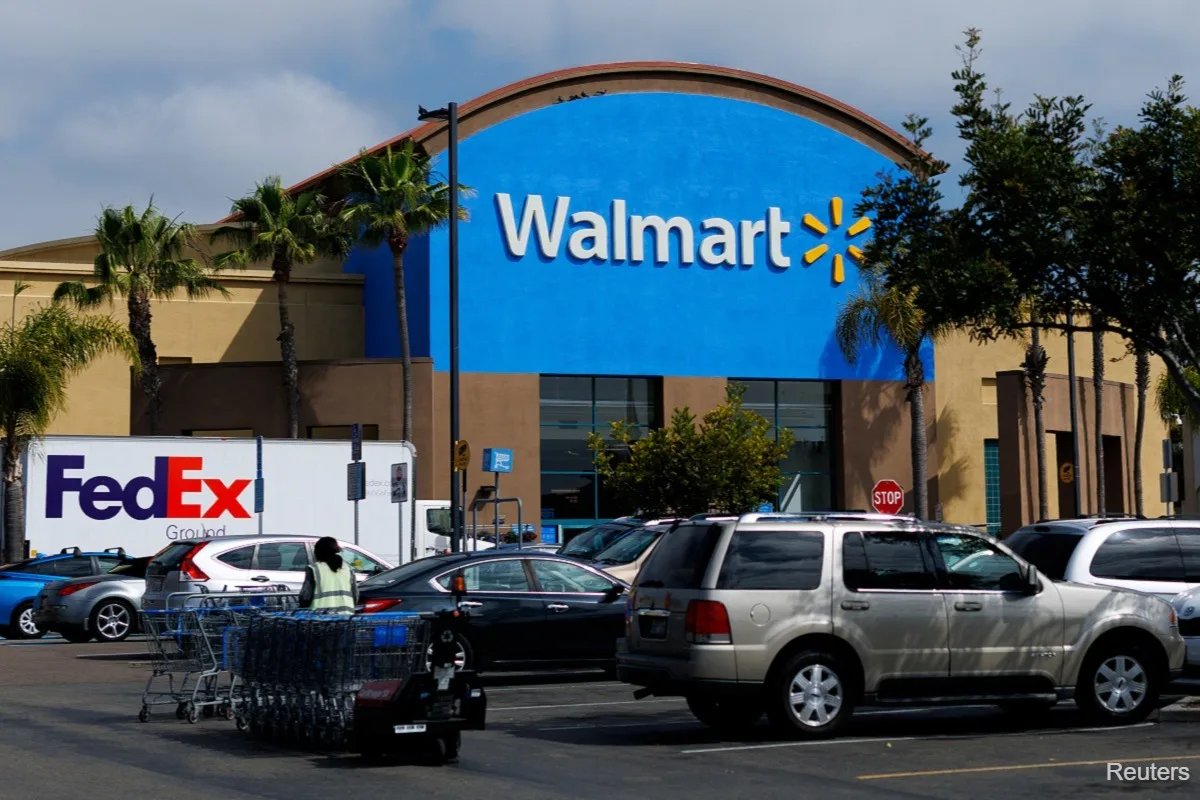
Walmart reported a 2.6% increase in US comparable store sales for the second quarter of fiscal 2027, missing Wall Street expectations of 3.8% growth. This marks the first time in at least five years the retailer's quarterly comparable sales have come up short of forecasts [1, 2, 3, 4]. The average ticket size grew 1.1%, down sharply from 3.1% a year earlier [1, 2, 3].
Despite the sales miss, Walmart raised its full-year net sales growth outlook to 4%-5%, up from an earlier forecast of 3.5%-4.5% [1, 4]. Walmart's net income for Q2 reached $6.4 billion, beating prior guidance [4]. CEO John Furner attributed much of the company's growth to the expansion of e-commerce, advertising, membership, and data services, saying, "We haven’t had this kind of growth in two decades. It’s different, it’s being driven by advertising, membership and data services." He added that advertising continues to grow at a 40 percent clip [4].
Walmart's e-commerce sales surged roughly 23%-24% year-over-year, led by increased delivery speed and same-day order options [1, 2, 4]. Its advertising business, Walmart Connect, grew approximately 40%-43%, becoming a key margin contributor [1, 4]. Meanwhile, grocery sales rose in the mid-single digits and general merchandise, including toys and apparel, grew in the low-single digits [1].
The retailer cut prices on between 7,000 and 11,000 items during the quarter, reinvesting $2.9 billion in tariff refunds into these reductions [1, 2, 4]. CFO John David Rainey noted the psychological and financial impact of rising fuel prices above $4 per gallon, saying, "When fuel prices increase and get above US$4, perhaps there’s a psychological impact to that ... consumers are making trade-offs." He also said, "You don’t necessarily expect to have that offsetting benefit to the lower prices in the immediate period. I expect price investments to lead to results next quarter." Walmart expects about $2 billion in incremental fuel-related costs beyond its original guidance [2, 3].
Sales in Walmart's US pharmacy business declined due to lower drug prices, including those affected by the Inflation Reduction Act [1, 4]. Retail analysts highlighted Walmart's strength in appealing to value-seeking consumers across income levels while shifting toward tech and data-driven retail strategies. John Harmon at Coresight Research said, "Consumers in all income brackets are seeking value. Walmart is extremely well-positioned. Walmart is also using technology to its advantage." Brian Jacobsen of Annex Wealth Management compared the situation to Nvidia's slowdown, noting the retailer has been winning the trade-down trade but the tailwind "may be fading" [1, 4].
Following the earnings release, Walmart shares fell between 6% and 9% in early trading [1, 2, 4]. Walmart CEO John Furner and CFO John David Rainey held an analyst call on August 20 discussing the sales results and impact of increased fuel prices on consumer behavior [2, 3, 4].