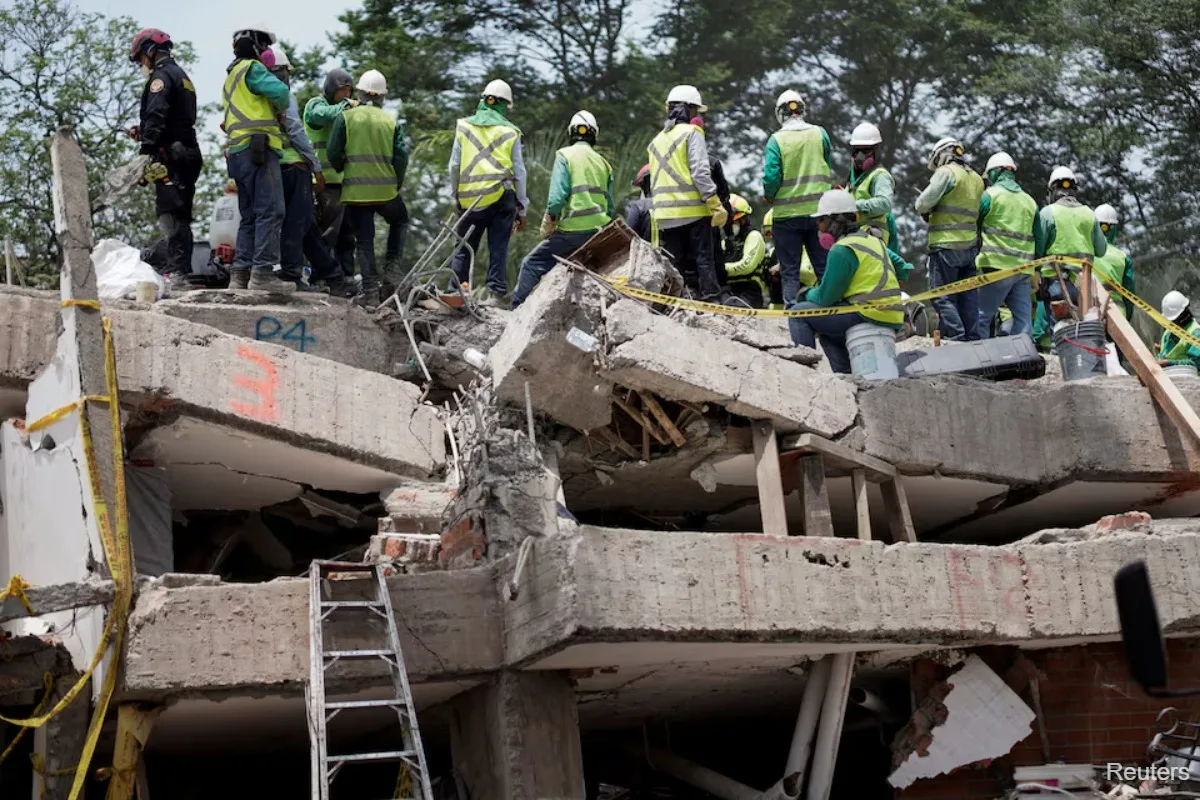
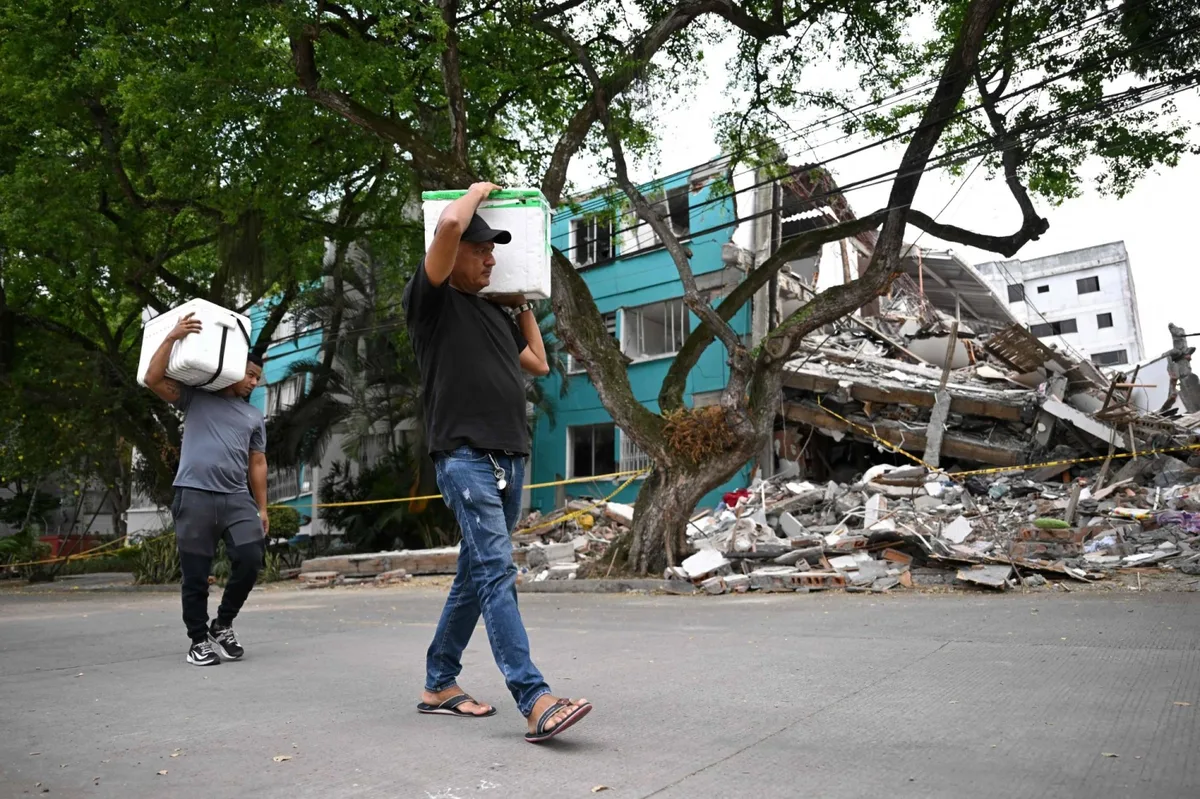
A magnitude 7.4 earthquake struck western Colombia near San Jose del Palmar on August 10, causing severe damage in the Pacific port city of Buenaventura, coffee-growing areas, and major western cities including Cali and Pereira [1, 2, 3, 4, 5, 6]. At least 294 people have died, with over 320 reported missing and nearly 4,000 injured, according to official estimates around August 15-16 [1, 4, 5, 6]. More than two-thirds of the deaths occurred in Cali and Pereira [1, 2, 4, 5, 6].
The earthquake damaged or destroyed tens of thousands of homes, with at least 127,557 houses damaged and 26,945 completely destroyed [3, 7]. Schools, hospitals, health centers, roads, bridges, and airports were also affected. The disaster impacted 15 of Colombia's 32 provinces [3].
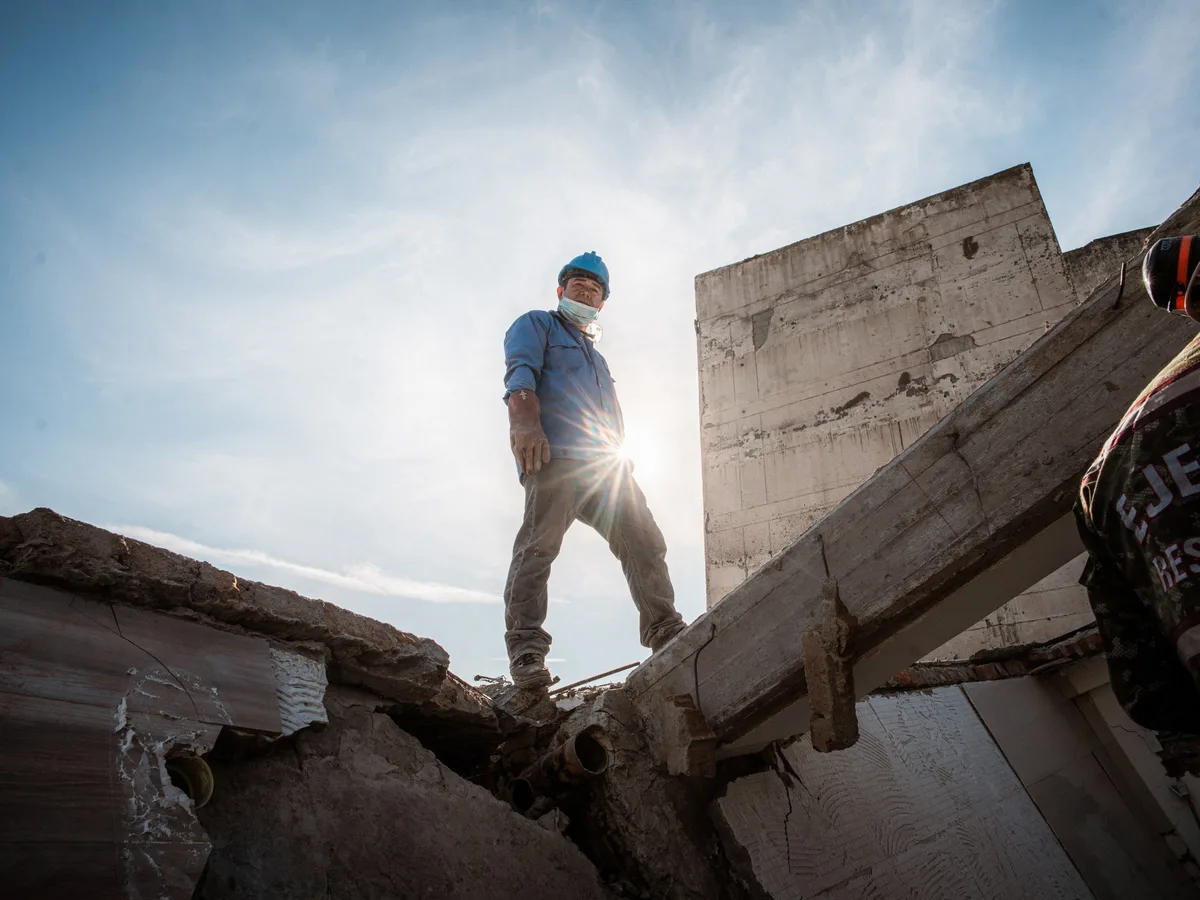
Rescue teams have saved 354 people after nearly a week of efforts, but the chances of finding survivors under rubble have greatly diminished as crews shift their focus to debris clearing and recovery [3]. Cali fire captain Alberto Hernandez said, "We have only one site where there are signs of life. At the other locations, we are unfortunately in the phase of recovering bodies" [1]. In Cali, which has more than 2 million residents, recovery teams expect to finish body recoveries and move to heavy machinery clearing by August 17 [1, 4, 5, 6].
One poignant story is of 32-year-old Daniela Largo, who was trapped under rubble for nearly 37 hours in Pereira and initially rescued alive on August 11 but died from her injuries on August 14, leaving behind a 12-year-old son [1, 4, 7, 5, 6]. Her mother Sandra Milena Perez said, "I just want this all to be over quickly" [7].
Colombian President Abelardo de la Espriella asked for a temporary suspension of US-imposed tariffs to support economic recovery after the quake. He said, "Suspending tariffs would help our businesspeople who are facing very difficult times because of the effects of the earthquake" [7]. The US and Israel have pledged support, including $26.5 million in US aid [7].
Despite differing reports on the number of missing persons—with official estimates around 320 missing—and some unofficial databases listing thousands, the government continues coordinated rescue and recovery operations [1, 4, 5, 6, 7]. Bogota Fire Department Sergeant Joel Bustamente said, "Certain search-and-rescue operations are no longer necessary, and we have now moved on to a phase in which reconstruction, demolition, and other types of operations will begin" [3].
Work will continue to clear heavy debris in affected cities through and beyond today, August 17, as recovery efforts shift into the next phase [1, 4, 5, 6].
![A row of houses that have been partially crushed by a falling building in Buenaventura. [Euan Wallace / Al Jazeera]](/uploads/2026/08/17/ad0f4c108e875d7d87356044.webp)
![Motorists and pedestrians pass by the wreckage of a collapsed building on a street in Buenaventura. [Euan Wallace / Al Jazeera]](/uploads/2026/08/17/cdf97f32027a83fb14469037.webp)
![An ambulance crushed by falling debris from the “Clinica Nuestra” private hospital in Cali, which partially collapsed during the August 10 earthquake. [Euan Wallace / Al Jazeera]](/uploads/2026/08/17/e8dcab99444d6e669ae0f86d.webp)
![Three firemen approach the wreckage of the Vanessa apartment building in Cali, which collapsed on August 10 and now shows no signs of survivors. [Euan Wallace / Al Jazeera]](/uploads/2026/08/17/821c7277aa3b803fdeb20be9.webp)