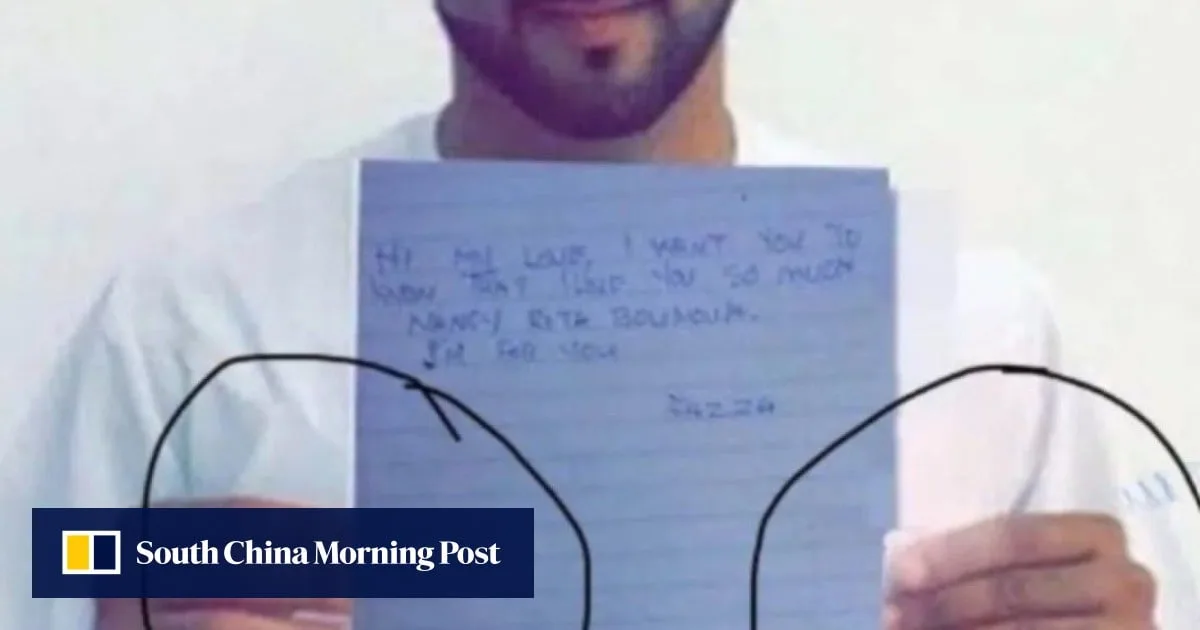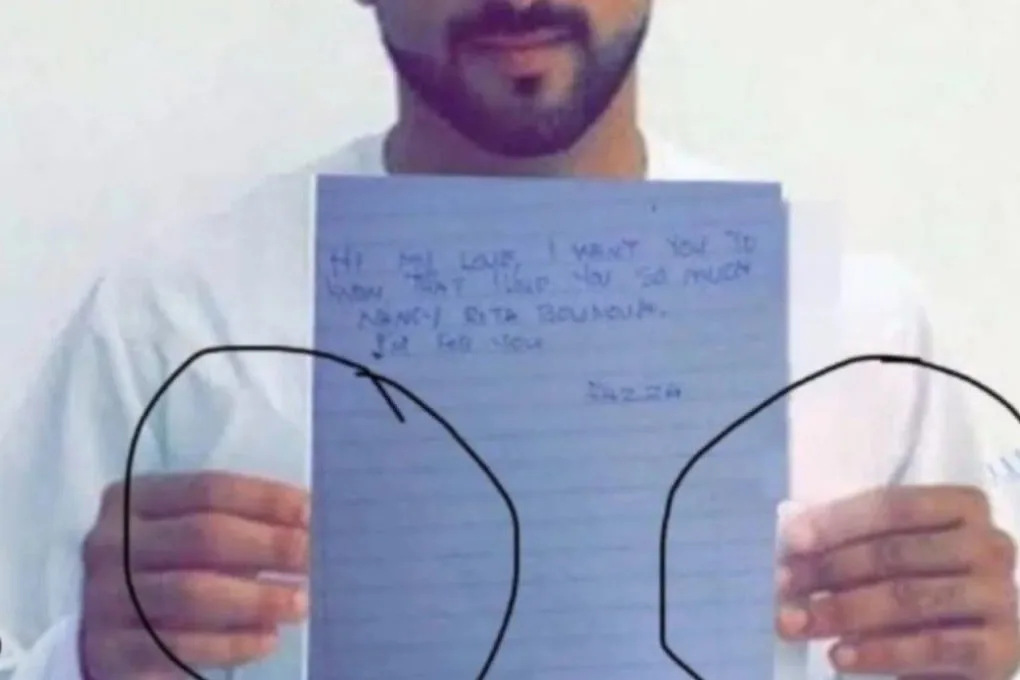
Fraudsters used AI deepfake technology with real-time face-swapping to impersonate Dubai's Crown Prince Hamdan bin Mohammed, known by the pen name Fazza, to build fake romantic relationships and scam victims, reports revealed on August 9, 2026 [1, 2, 3].
Maria, a Filipino domestic worker, encountered one such scammer on a dating site and then on WhatsApp. The scammer sent her continuous romantic messages, including during her sleep. Maria said, "He kept on messaging me even when I was sleeping. It felt like there was a love spell that connected our minds" [1, 2, 3].
In WhatsApp video calls, the scammer's lip movements matched his speech, but the voice was not the real prince's. Using high-tech facial replacement and motion capture tools, the scammer made video calls that were almost indistinguishable from real ones [1, 2, 3].
Maria was scammed out of 100,000 Philippine pesos (about SGD 2,104 or MYR 6,600) for fake documents including a marriage certificate and a "royal membership card" purportedly to help her secure a job in Dubai [1, 3]. When the scammer demanded an additional 60,000 pesos for a hotel booking fee to meet her, Maria grew suspicious. She checked the scammer's Facebook profile and found it was based in Nigeria. Maria then cut all contact, sending a final message condemning the scammer as "骗子,滚蛋! (Scammer, go to hell!)" [1, 3].
The scam exploits the Dubai prince's large online presence, including over 17 million Instagram followers. Scammers copy his popular poems and create multiple Facebook groups impersonating him. These groups invite users to reach out to the "prince" via WhatsApp or Telegram to initiate contact [1, 3].
Scammers often use Dubai phone numbers to request large sums by claiming they are needed for fake marriage certificates or donations, with some demanding payments in cryptocurrency [1].
Global consumer losses from scams reached an estimated $442 billion USD in 2025, according to the Global Anti-Scam Alliance [1]. Experts warn that as real-time deepfake technology continues advancing, distinguishing genuine face-to-face conversations from fake ones will become nearly impossible. Professor Rand said, "This technology is evolving quickly, and real-time deepfake video will soon be very hard to distinguish from real conversations" [1].
The reports detailing the AI deepfake Dubai prince scam were published on July 3, 2026, after Maria's experience surfaced earlier this year [1, 2, 3]. Authorities and users remain vigilant against rising sophisticated scams leveraging artificial intelligence.