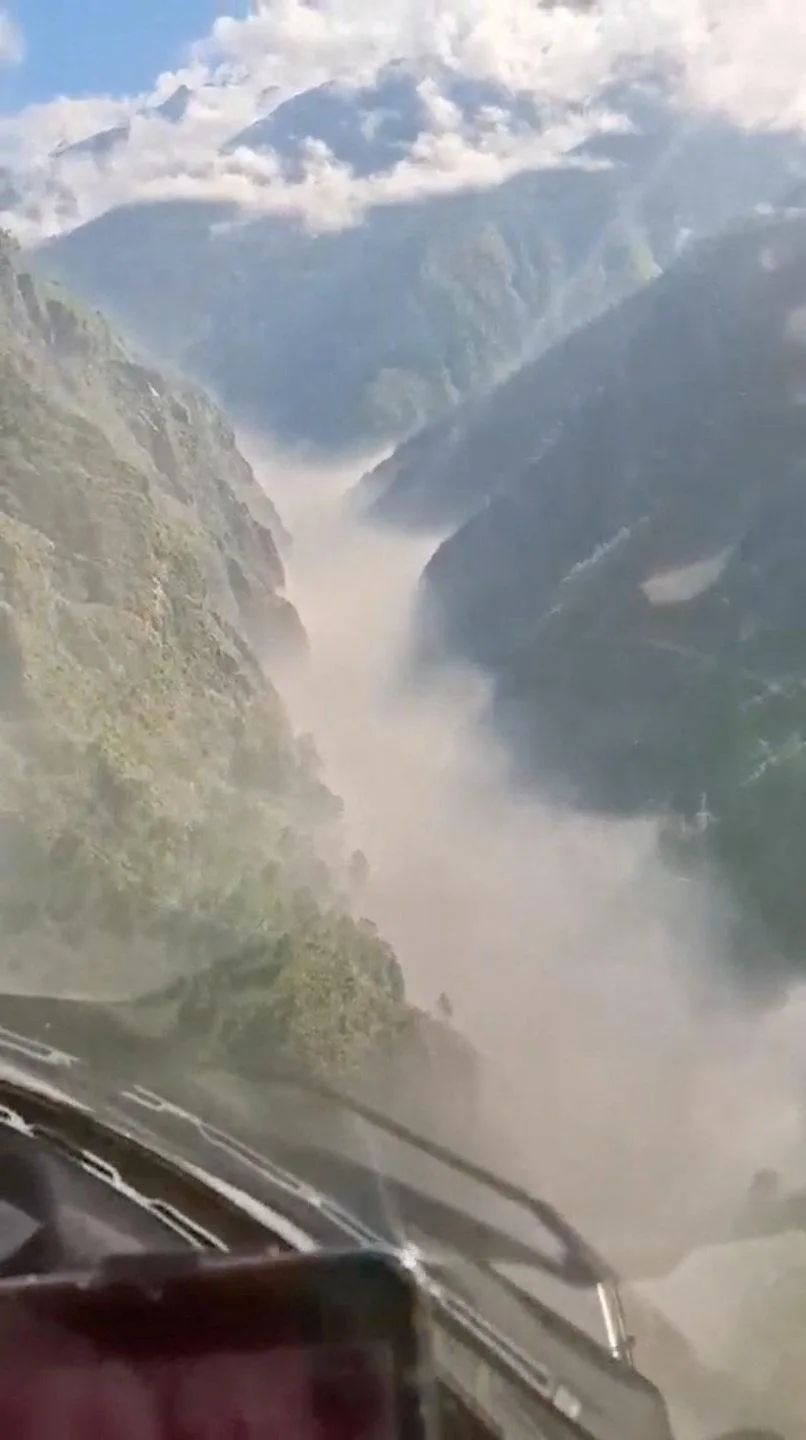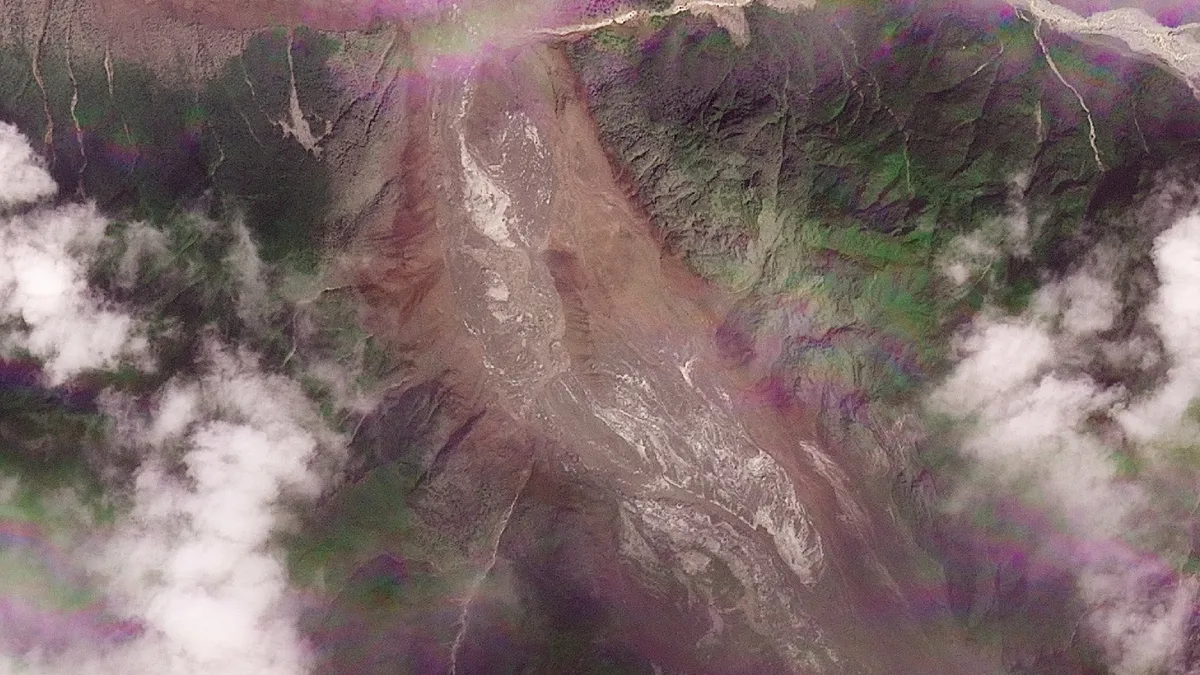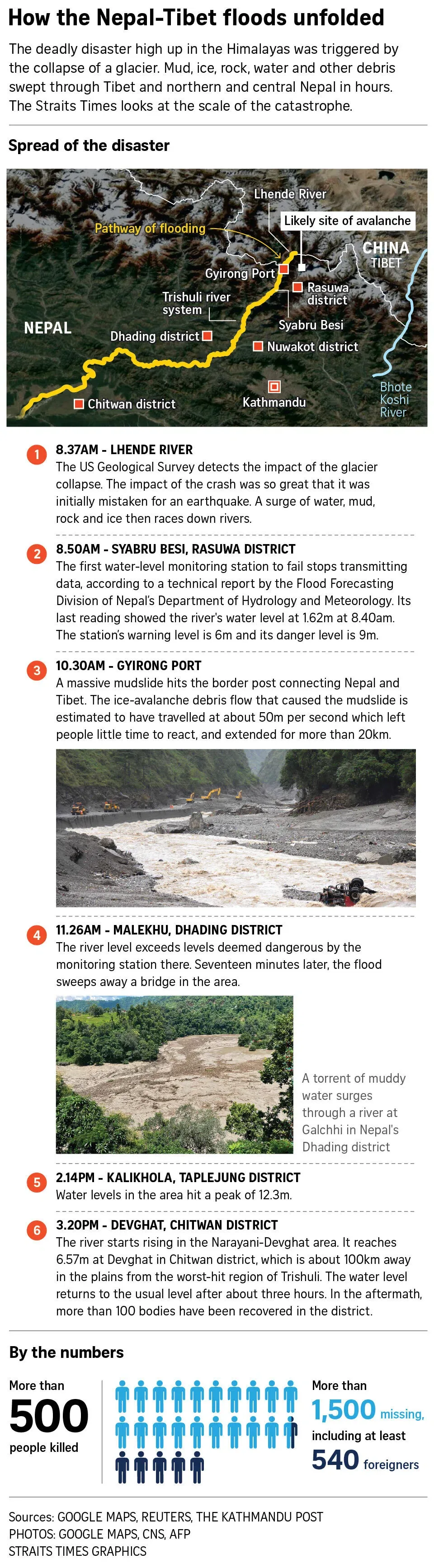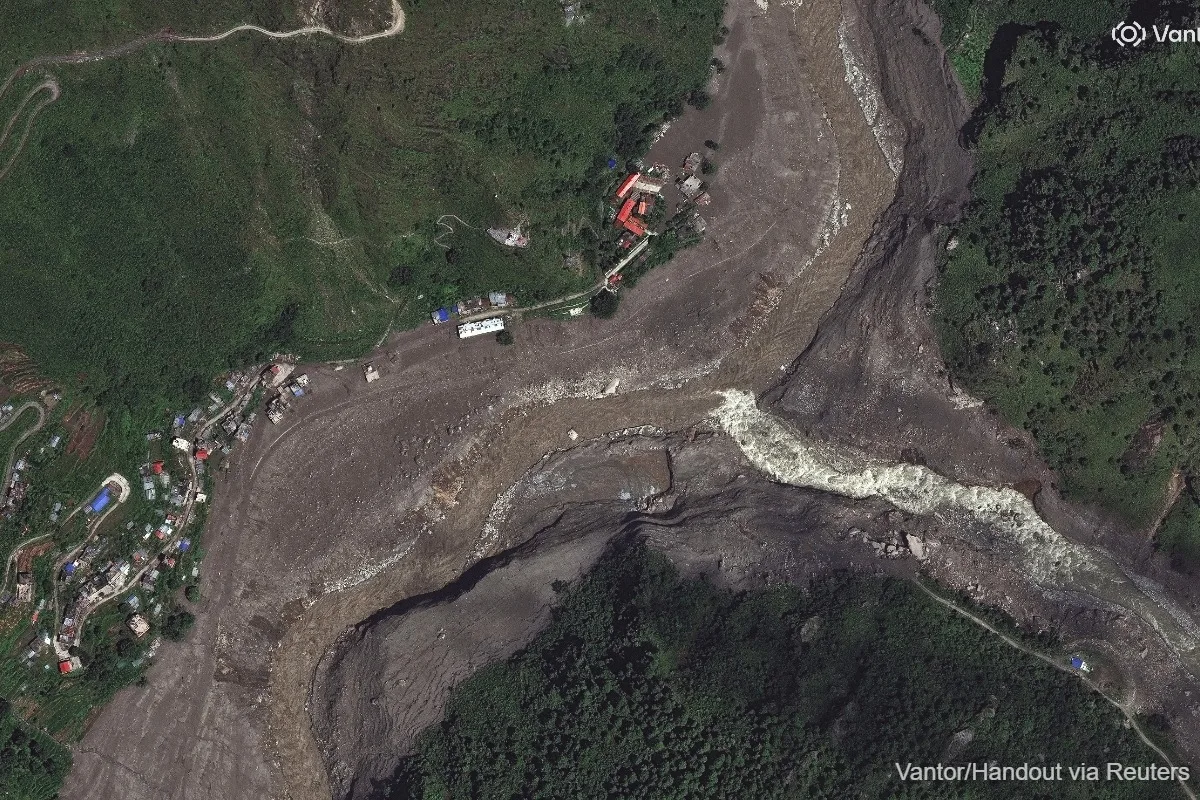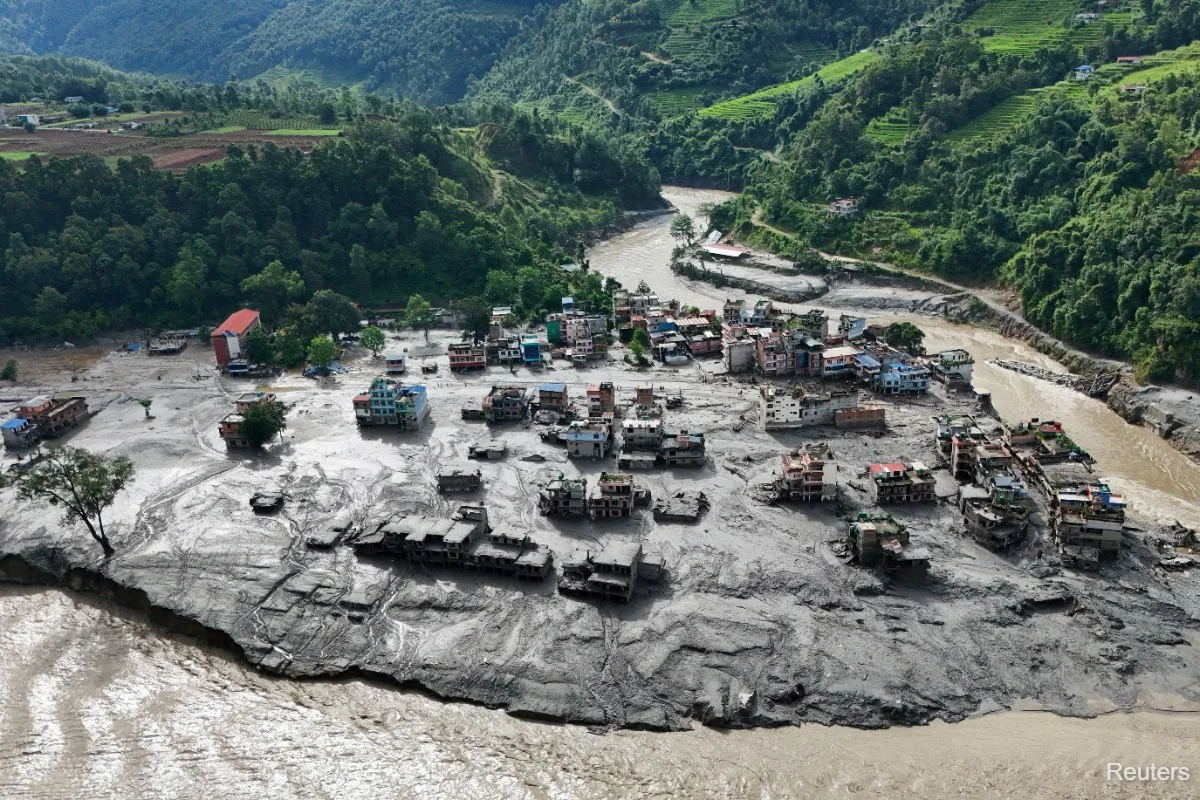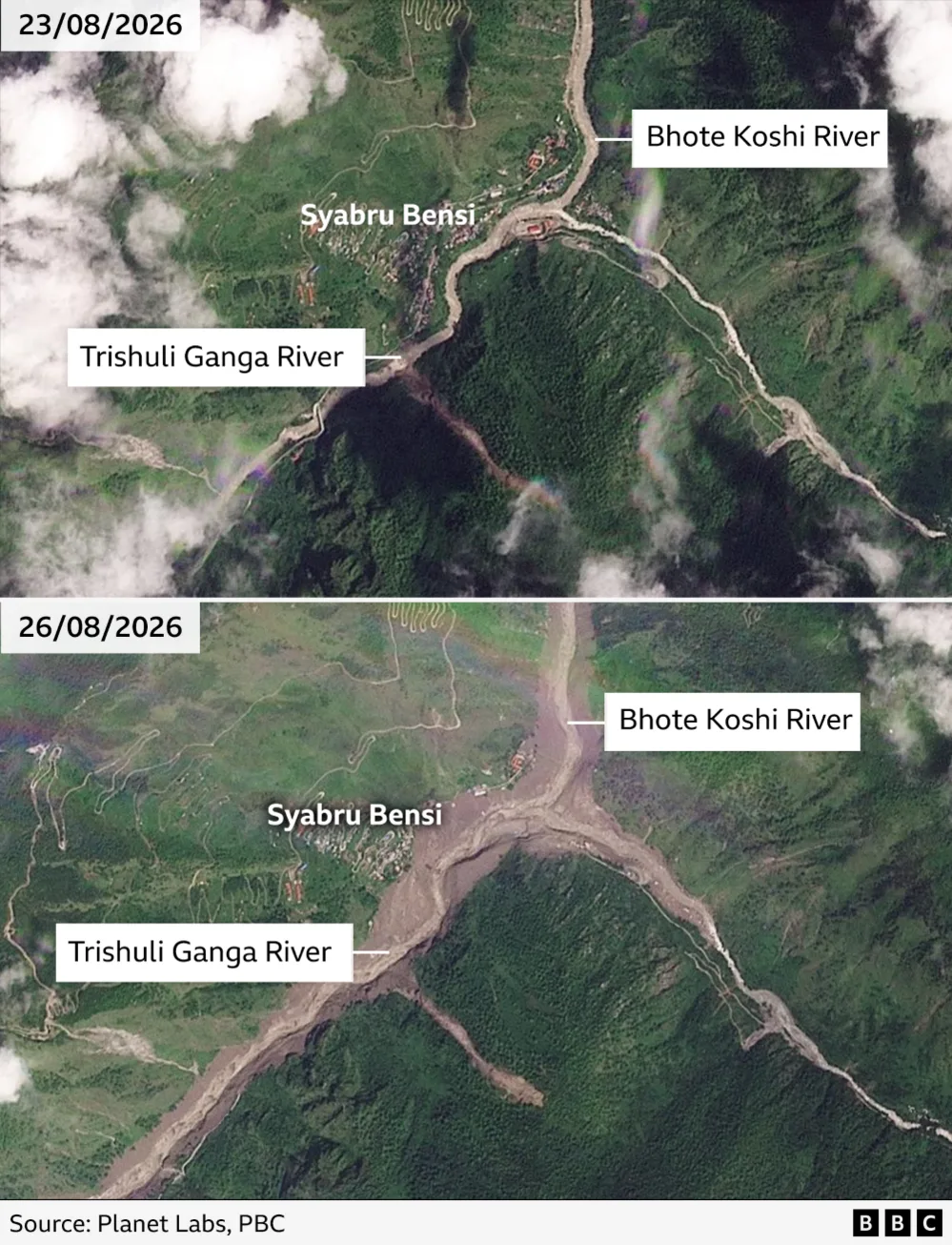
A glacier collapsed on August 26, 2026, near the Nepal-Tibet border, triggering deadly flash floods and registering a seismic event measuring 5.2 magnitude, according to US Geological Survey data [1, 2, 3]. The collapse produced an ice-rock avalanche that entered the Lende Khola, a tributary of the Bhote Koshi river, causing rapid downstream flooding that swept away homes, roads, bridges, and hydropower facilities [1, 2, 3, 4, 5]. River water levels rose 7 to 9 meters within 30 minutes after the flood surge [1, 3].
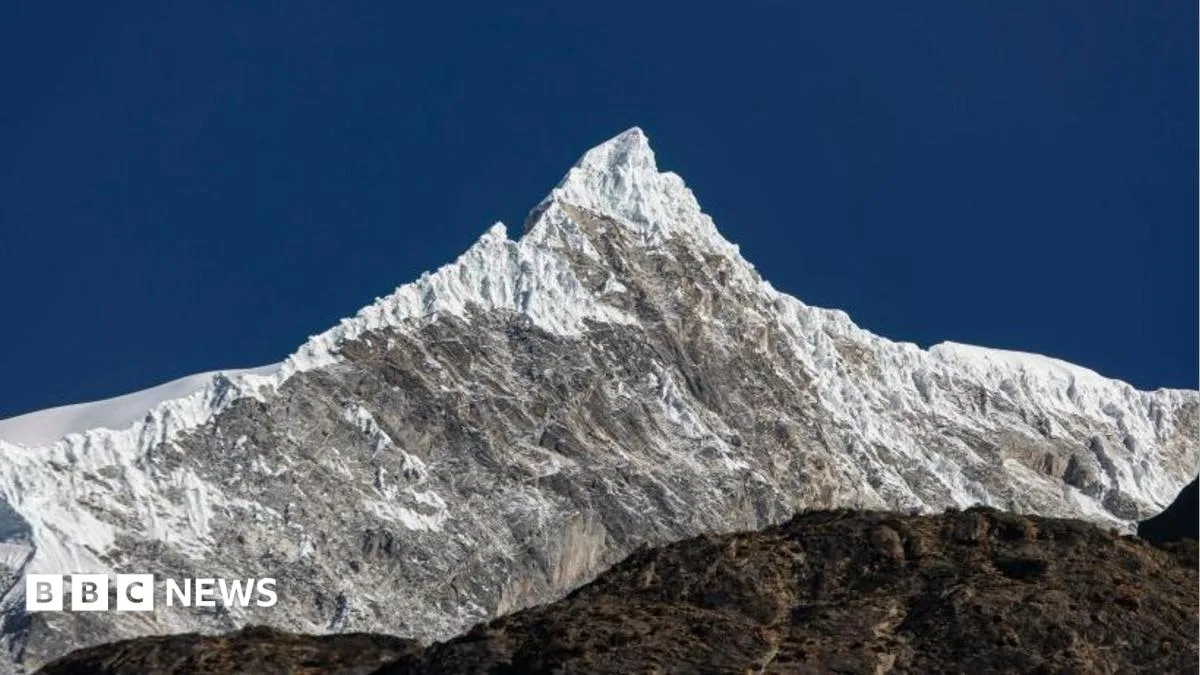
Initial reports of a 4.4 magnitude earthquake were later corrected to reflect the seismic event was caused by the glacial collapse rather than tectonics [1, 2, 3]. The glacier collapsed at an altitude of approximately 5,200 meters near the Langtang Lirung peak [6]. Scientists described the event as a large avalanche consisting of ice and rock that rapidly transformed into a devastating flood [2]. Vikram Gupta from Sikkim University stated, "It’s confirmed that a substantial portion of that glacier snout collapsed to initiate the event - probably including or entraining a fair amount of rock and sediment" [6].
At least 469 people have been confirmed dead with over 1,500 missing across Nepal and Tibet/China in the wake of the disaster [4, 5, 7]. Hundreds were stranded, and emergency rescue operations are ongoing; over 300 survivors have been airlifted from affected areas as of August 27 [4, 5]. Chinese leadership dispatched officials to inspect rescue efforts in Tibet [5]. Satellite imagery also revealed a new barrier lake formed by ice-rock debris blocking the Lhende River near the Nepal-China border, containing approximately 2 million cubic meters of water, raising concerns over possible downstream flooding [4, 5, 8].
Scientists warn that climate warming has accelerated ice loss in the Hindu Kush Himalayas, doubling since 2000, destabilizing glaciers and permafrost, which increases the frequency of glacier collapses and related floods [1, 6, 3, 9, 10, 11, 7]. Dr Hamish Pritchard of the British Antarctic Survey noted, "These high temperatures would have weakened the snowpack, filled crevasses with water and thawed the bonds between ice and rock that hold these glaciers in place" [3]. Benjamin Horton at City University of Hong Kong explained that such slope failures can block rivers, impound water, then suddenly breach to create fast-moving debris flows with devastating impacts far downstream [7].
Social media misinformation claimed the disaster was linked to Chinese infrastructure projects in the area, but the scientific consensus attributes it to natural glacier collapse exacerbated by climate change [12, 1, 2, 3, 7]. China and Nepal operate a cross-border early warning system for glacial lake outburst floods, but it remains unclear if the system detected or warned of this event [8].
Rescue efforts and monitoring of the new barrier lake continue, with authorities closely watching for further flood risks downstream.